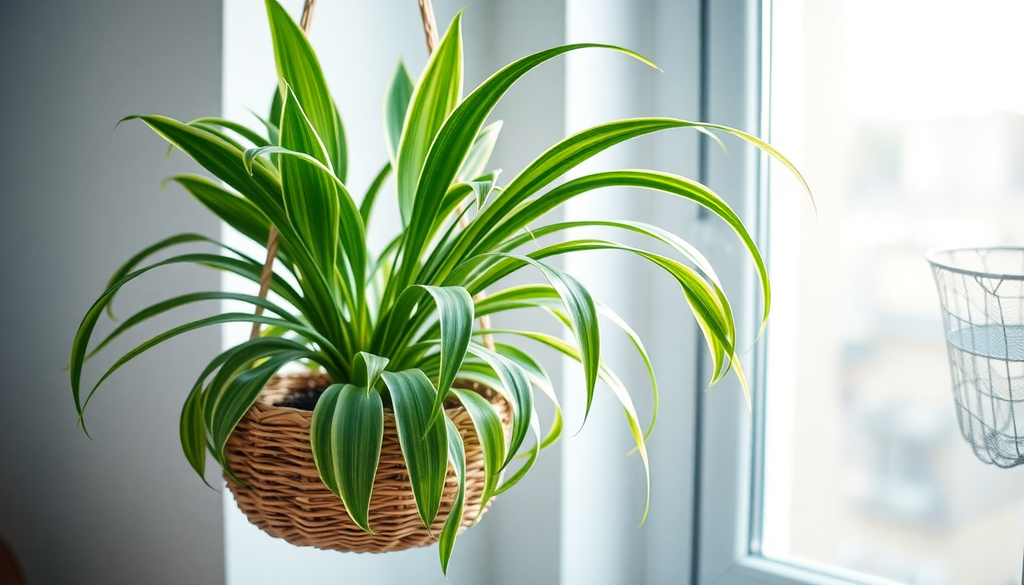
A spider plant care guide gives you everything needed to grow one of the easiest, most forgiving houseplants around, especially in a small home where space and light stay limited. Chlorophytum comosum tolerates a wide range of conditions, bounces back from mistakes fast, and rewards even light attention with arching leaves and dangling baby plantlets. This spider plant care guide walks through light, water, soil, humidity, feeding, repotting, propagation, and common problems, so a beginner or a busy owner gets a plant that thrives without demanding constant attention.
Quick Answer
Spider plant care comes down to bright, indirect light, water only when the top two inches of soil feel dry, and a well-draining potting mix. This plant tolerates low light and irregular watering better than most houseplants, making it a strong pick for small apartments, offices, or shelves without direct sun exposure.
Quick Take
Spider plants rank among the most beginner-friendly houseplants, tolerating a wide range of light, occasional missed waterings, and small pots without much complaint. Bright, indirect light produces the fullest growth, though the plant survives in medium or even low light with slower results. Water once the top inch or two of soil dries out, and use a loose, fast-draining mix in a pot with drainage holes. Feed lightly during spring and summer, repot every one to two years once roots fill the pot, and expect small white flowers followed by baby plantlets dangling on long stems once the plant matures.
In practice, spider plant care rewards a light touch more than a strict routine. One habit that helps beginners the most is checking the soil with a finger before watering instead of following a fixed schedule, since overwatering causes far more problems for this plant than underwatering ever does. Brown leaf tips, one of the most common complaints with spider plants, usually trace back to tap water minerals or dry air rather than anything serious, and both fix easily once identified.
Spider Plant Light Requirements
Spider plants grow best in bright, indirect light, the kind found a few feet back from an east or south facing window with a sheer curtain filtering direct rays. Direct sun scorches the leaves, leaving pale, bleached patches, especially on variegated varieties with thinner white striping. Medium light works fine too, producing slightly slower growth and less dramatic arching, which makes this plant a solid choice for a small home where every window doesn’t offer ideal conditions. Low light keeps the plant alive but slows growth noticeably and often reduces variegation over time, since the plant produces more green chlorophyll to compensate for reduced light energy.
If your space has limited natural light, see our guide to the best light for spider plants in apartments for practical placement tips.
Spider Plant Watering Schedule
Water a spider plant once the top two inches of soil feel dry to the touch, which usually works out to once every one to two weeks depending on light, temperature, and pot size. Water thoroughly until it drains from the bottom of the pot, then empty any water sitting in a saucer so the roots don’t sit in standing moisture. Spider plants show overwatering through soft, yellowing leaves and a mushy base, while underwatering shows up as thin, curling leaves with dry, papery tips. This plant tolerates a missed watering far better than consistently soggy soil, so leaning slightly dry between waterings works better than the opposite.
For a more detailed look at watering frequency, soil moisture, and seasonal adjustments, see our spider plant watering guide.
Best Soil and Pot for Spider Plants
A loose, well-draining potting mix keeps a spider plant’s roots healthy and prevents the root rot this plant is otherwise prone to in heavy, moisture-retentive soil. A standard potting mix combined with perlite works well, and adding a bit of coarse sand improves drainage further in humid climates. Always use a pot with drainage holes, since spider plants recover poorly from consistently wet roots. Terracotta pots suit this plant especially well in small homes with limited airflow, since the porous material pulls excess moisture out and reduces the risk of overwatering between checks.
If you’re growing a spider plant in a compact container, see can spider plants grow in small pots to understand pot size, drainage, and when repotting becomes necessary.
Humidity and Temperature Needs
Spider plants tolerate average indoor humidity without much trouble, though brown, crispy leaf tips often improve once humidity rises above 40 percent. Running a small humidifier nearby, grouping plants together, or setting the pot on a tray of pebbles and water all raise humidity slightly without much effort. Ideal temperatures fall between 65 and 80 degrees Fahrenheit, and this plant reacts poorly to cold drafts near winter windows or exterior doors, often showing damage as blackened or mushy leaf edges after sustained cold exposure.
Feeding a Spider Plant
Feed a spider plant with a balanced, diluted liquid fertilizer once every four to six weeks during spring and summer, when active growth uses up nutrients fastest. If your spider plant still produces little new growth despite good care, see why your spider plant is not growing for common causes and practical fixes. Skip feeding entirely during fall and winter, since the plant grows slowly or not at all and unused fertilizer builds up as salt in the soil instead. Spider plants show sensitivity to fluoride and certain minerals found in tap water and some fertilizers, which often causes the brown tip issue this plant is known for. Using filtered or distilled water, or a fertilizer specifically labeled low in fluoride, reduces this problem considerably.
Repotting a Spider Plant
Repot a spider plant every one to two years, or sooner if roots start circling the bottom of the pot or pushing up through the soil surface. Choose a new pot only one or two inches larger than the current one, since an oversized pot holds excess moisture the roots don’t use yet. Spring works best for repotting, giving the plant a full growing season to settle into fresh soil before slower winter growth begins. Loosen the root ball gently, trim away any dark or mushy roots, and backfill with fresh, well-draining mix around the sides.
Propagating Spider Plant Babies
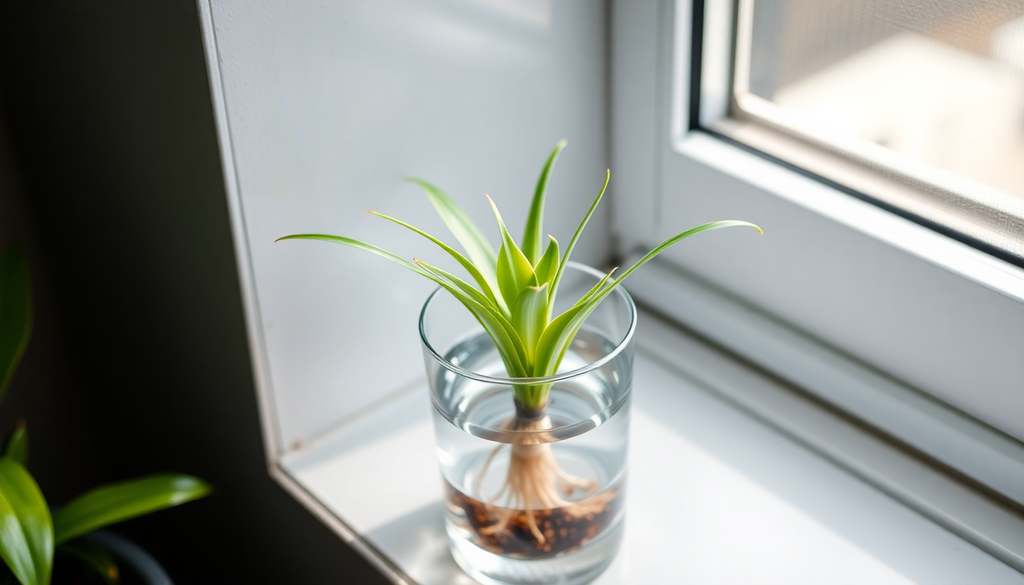
One of the easiest parts of spider plant care involves the small plantlets, often called spiderettes or babies, which dangle from long stems once the parent plant matures. Want to encourage more healthy plantlets? Learn more about spider plant pups and how to propagate them in our detailed guide.
Snip a plantlet free once it has small root nubs visible at the base, and place it in water or moist soil until roots develop fully. Water propagation lets you watch root growth directly, usually taking two to three weeks before the plantlet grows roots long enough for potting. Soil propagation skips the transition step entirely, working just as well if the soil stays consistently moist during the first few weeks.
Common Spider Plant Problems
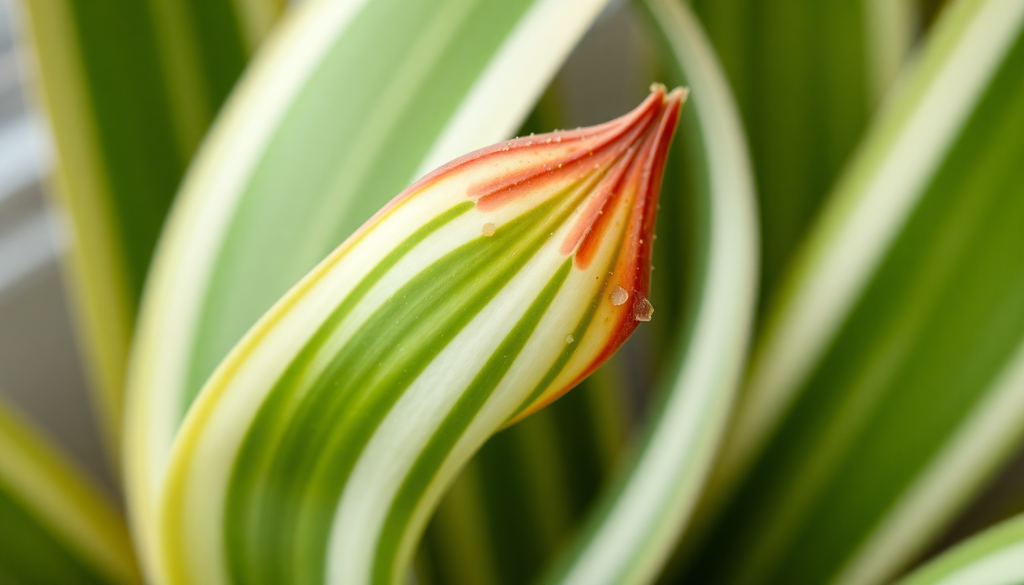
Brown leaf tips rank as the most common complaint, usually caused by fluoride or chlorine in tap water, low humidity, or a buildup of fertilizer salts in the soil. If brown tips keep returning, our guide to spider plant brown tips explains the most common causes and how to prevent them.Trimming the browned tips with clean scissors improves appearance without harming the plant, though the underlying cause still needs addressing to prevent new tips from browning too.
Yellowing leaves point toward overwatering most often, while pale, washed-out leaves suggest too much direct sun. If the yellowing continues or spreads, see our guide to spider plant leaves turning yellow to identify the cause and choose the right fix. Spider plants rarely attract pests, though spider mites and mealybugs occasionally show up on a stressed or overly dry plant, treatable with insecticidal soap or a diluted neem oil solution applied every seven to ten days.
Spider Plant Care at a Glance
| Factor | Requirement |
| Light | Bright, indirect light; tolerates medium to low light |
| Water | Every 1 to 2 weeks, once top 2 inches dry |
| Soil | Loose, well-draining mix with perlite |
| Humidity | Average indoor humidity; above 40% ideal |
| Temperature | 65 to 80°F, away from cold drafts |
| Feeding | Diluted liquid fertilizer every 4 to 6 weeks in spring and summer |
| Repotting | Every 1 to 2 years, in spring |
| Toxicity | Non-toxic to cats and dogs |
Why Spider Plants Suit Small Homes
Spider plants suit small homes especially well because they grow upright and arching rather than sprawling wide, taking up little floor space while still adding greenery and movement to a room. Hanging baskets or elevated shelves put the plant’s trailing plantlets on display without eating into limited counter or floor space, and the plant’s tolerance for medium light means it thrives in rooms without a prime south facing window. This spider plant care guide’s emphasis on light-touch watering also suits smaller households and busy schedules, since the plant forgives an occasional missed check far better than more finicky houseplants.
Final Takeaway
A solid spider plant care guide comes down to a few consistent habits: bright, indirect light, watering only once the soil dries out, well-draining soil in a pot with drainage holes, and light feeding during the growing season. Spider plant care rewards consistency over intensity, since this plant thrives on a simple, repeatable routine rather than constant fussing. Once established, a spider plant rewards minimal care with fast growth, easy propagation, and a resilient presence that fits naturally into any small home.
FAQ
Is spider plant care difficult for beginners? No, spider plant care ranks among the easiest of any common houseplant, tolerating irregular watering, medium light, and small pots without much trouble.
How often should I water my spider plant? Water once the top two inches of soil feel dry, typically every one to two weeks depending on light and temperature in the room.
Why does my spider plant have brown tips? Brown tips usually come from fluoride or chlorine in tap water, low humidity, or fertilizer salt buildup in the soil. Switching to filtered water often helps.
Are spider plants safe for cats and dogs? Yes, spider plants rank as non-toxic to cats and dogs, making them a popular choice for pet owners looking for safe indoor greenery.
Do spider plants need direct sunlight? No, spider plants prefer bright, indirect light and scorch easily in direct sun, though they tolerate medium and even low light conditions well.
How do I propagate a spider plant? Snip off a plantlet once it shows small root nubs, then root it in water or moist soil for two to three weeks before potting it as a new plant.
Pingback: Spider Plant Watering: Full 2026 Guide
Pingback: Pothos Plant Care Guide: Apartment Beginner Tips (2026)