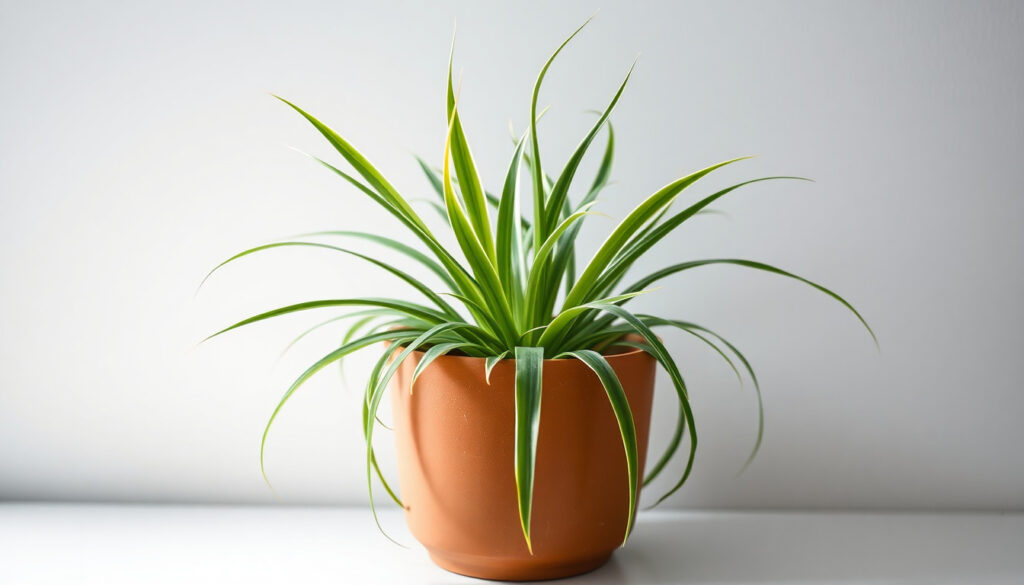
Spider plant not growing usually means the plant sits in the wrong light, pot, or feeding routine rather than facing any serious disease. Chlorophytum comosum normally grows fast and fills a pot within a season or two, so months without new leaves or plantlets points to a specific, fixable cause. Working through the most common reasons in order narrows down the issue quickly.
Quick Answer
Spider plant not growing most often traces back to low light, a root-bound pot, poor soil, or a lack of feeding during the growing season. Check light exposure and the root system first, since these two factors explain most stalled growth.
Quick Take
A spider plant growing slowly or not at all usually points to one of several overlapping issues: insufficient light, a pot the roots have outgrown, compacted or depleted soil, underfeeding, temperature stress, or root damage from overwatering. Winter dormancy also explains a real, temporary slowdown without signaling any problem at all. Checking light and the root system first solves most cases, while ruling out root damage comes next if the plant shows other stress signs like yellowing leaves.
In practice, distinguishing a genuinely stalled spider plant from one going through seasonal dormancy starts with checking the calendar and the roots before assuming something is wrong. A plant which pauses new growth during fall and winter while staying firm and green follows a completely normal cycle tied to shorter days and cooler temperatures. Chlorophytum comosum produces new growth from its root crown, so root health directly limits how fast new leaves and plantlets appear above soil.
1. Not Enough Light
Spider plants tolerate low light without dying, but new growth slows dramatically or stops in dim conditions since photosynthesis drives the energy behind every new leaf. Moving the plant to a spot with bright, indirect light, even without direct sun, often restarts growth within a few weeks.
2. Root-Bound Pot
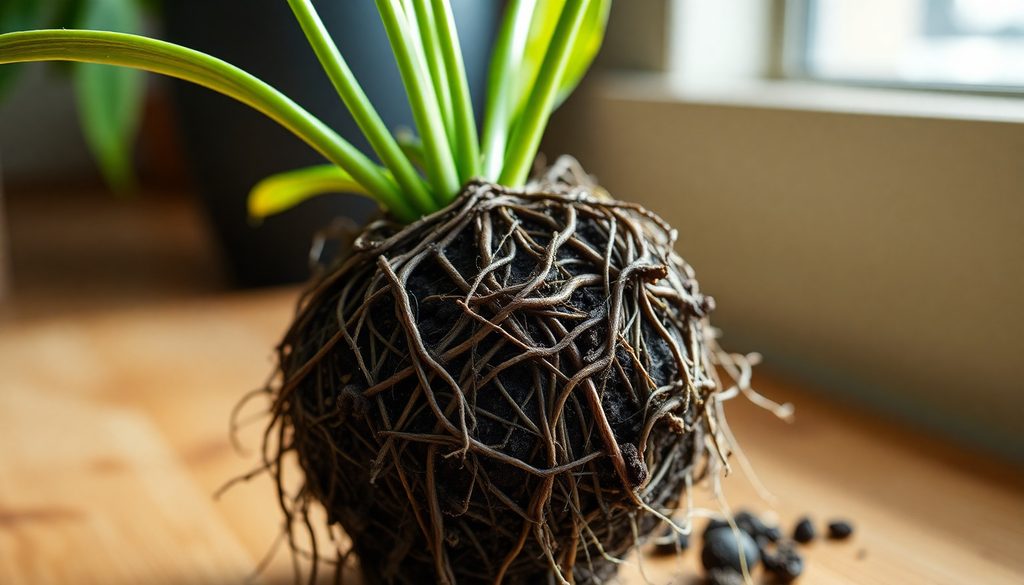
A pot packed tightly with roots leaves the plant with no room to expand, and spider plants often stall growth once they become severely root-bound. Roots circling the bottom of the pot or pushing up through the soil surface signal it’s time to size up. Repotting into a container only one or two inches larger gives the roots space to keep expanding.
3. Compacted or Depleted Soil
Old potting soil loses the air pockets roots need and compacts over time, restricting root growth and slowing the plant overall. Refreshing the soil during repotting, using a loose mix with added perlite, restores the drainage and airflow roots need to support new growth.
4. Underfeeding
A spider plant growing in the same unfed soil for years eventually runs low on nutrients, particularly nitrogen, which slows new leaf production noticeably. Feeding a diluted, balanced fertilizer every four to six weeks during spring and summer restores the nutrients needed for active growth.
5. Cold Temperatures
Spider plants prefer temperatures between 65 and 80 degrees Fahrenheit, and growth slows sharply once the room stays consistently below 60 degrees. A plant near a drafty window or an unheated room during winter experiences this slowdown even with good light available.
6. Root Damage From Overwatering
Waterlogged soil starves roots of oxygen, and a root system fighting rot has little energy left for new growth. Soft, yellowing leaves alongside stalled growth point toward root damage. Pulling the plant from its pot and checking for dark, mushy roots confirms this cause.
7. Low Humidity and Dry Air
Very dry indoor air, especially during winter heating season, stresses a spider plant and slows growth alongside causing brown leaf tips. Running a humidifier nearby or grouping plants together raises humidity enough to support steadier growth.
8. Natural Winter Dormancy
Spider plants slow down naturally during fall and winter as light and temperature drop, even in a well cared for setup. This shows up as a firm, healthy plant which simply pauses new leaves and plantlets for a few months, with growth resuming on its own once spring returns.
9. Plant Has Reached Its Mature Size
An older, well-established spider plant naturally slows down once it fills its pot and produces fewer new leaves than it did as a young plant. This counts as a sign of a settled, healthy plant rather than a problem. Dividing an overgrown clump and repotting the sections separately often restarts visible growth.
10. Pests Draining the Plant’s Energy
Spider mites or mealybugs occasionally target a stressed spider plant, and a heavy infestation redirects the plant’s energy toward defense rather than new growth. Checking leaf undersides and joints for webbing or small white clusters catches this cause, treatable with insecticidal soap applied every seven to ten days.
Before changing your plant’s routine, check its basic growing conditions. Our Spider Plant Care Guide covers the essential light, watering, soil, and pot requirements for healthy growth.
Spider Plant Not Growing at a Glance
| Cause | Growth Pattern | Fix Priority |
| Not enough light | Complete stop | Within weeks |
| Root-bound pot | Stalls, roots visible | Within weeks |
| Compacted soil | Gradual slowdown | Within weeks |
| Underfeeding | Slow, pale new leaves | Within weeks |
| Cold temperatures | Slows sharply | Within days |
| Overwatering damage | Stops with decline | Immediate |
| Low humidity | Slow, brown tips | Within weeks |
| Winter dormancy | Temporary pause | No action needed |
| Mature size reached | Naturally slower | No action needed |
| Pests | Slows with damage | Within days |
How to Encourage New Growth
Start with light and the root system, since these two factors solve the largest share of stalled growth cases. Move the plant to bright, indirect light, and repot if roots have filled the pot or the soil has gone hard and compacted. Feed lightly during the growing season if the soil has gone unfed for a long stretch, and check for pests or root damage if the plant shows other stress signs alongside the slowdown. Give any single change two to four weeks before judging whether it worked, since spider plants respond gradually even once the underlying issue is corrected.
Final Takeaway
Spider plant not growing almost always traces back to light, root space, soil, feeding, or temperature, and working through these factors in order usually turns up the cause quickly. Rule out a normal seasonal pause or natural aging first, then address the environment before assuming something more serious. Most plants resume steady growth within a few weeks once the underlying issue is addressed.
FAQ
Why is my spider plant not growing at all? Spider plant not growing usually comes from low light, a root-bound pot, depleted soil, or underfeeding. Checking light and the root system first narrows down the cause.
How long does it take for a spider plant to grow new leaves? A healthy spider plant in good light produces new leaves regularly during the growing season, slowing down or pausing during fall and winter.
Is it normal for a spider plant to stop growing in winter? Yes, spider plants naturally slow down or pause new growth during fall and winter, and growth resumes on its own once spring arrives.
Does repotting help a spider plant that stopped growing? Repotting helps if the roots are cramped or the soil has gone hard and compacted. A healthy root system in fresh soil rarely needs repotting to restart growth.
Why isn’t my spider plant producing plantlets? Plantlets usually form once a spider plant matures and experiences slightly stressed conditions like root-bound roots or shorter daylight hours, so a young or very comfortable plant may take longer to produce them.
What is the fastest way to get a spider plant growing again? Move it to bright, indirect light, check the roots for crowding or rot, and feed lightly during the growing season, since these checks resolve most stalled growth cases.
Pingback: Spider Plant Pups: Propagation Guide (2026)