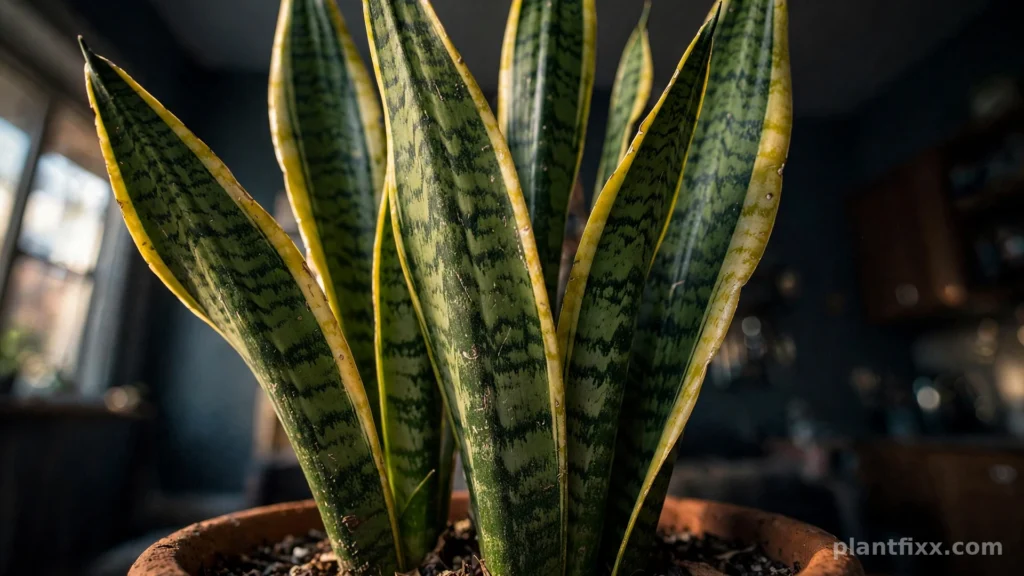
Quick Answer: Sansevieria and Dracaena are the same plant. Sansevieria was merged into the Dracaena genus after DNA studies showed snake plants sit inside the Dracaena family tree, so Dracaena trifasciata is now the accepted scientific name. Nurseries still say Sansevieria, so both names point to the same snake plant.
Quick Take: Your plant did not change, only its label did. The 2017-2018 DNA findings moved every Sansevieria into Dracaena because the older Dracaena name wins under botanical naming rules. Care, watering, light, and toxicity all stay exactly the same. The one real danger is searching “Dracaena care” online and following advice meant for corn plants, which want far more water than your snake plant.
If a snake plant label confused you, you are not misreading anything. The nursery tag says Sansevieria, your plant ID app says Dracaena. Your plant genuinely answers to two scientific names right now, because DNA sequencing showed it sits inside the Dracaena family tree, so botanists folded the whole Sansevieria genus into Dracaena. The plant in your pot never moved. The name did.
That leaves a problem. Which name do you search, which label do you trust, and does any of this change your plant’s care? This guide answers all three, with the real history, a translation table, and the one naming trap that can hurt your plant.
One mistake many people make is treating this as trivia. I have seen buyers come home with the wrong plant because they trusted the first search result. Names are how care advice finds you. Once you know which name belongs where, the confusion disappears.
Why Botanists Moved Sansevieria Into Dracaena
Classification used to lean on looks. Snake plants look nothing like dragon trees, so they kept their own genus, Sansevieria, named in 1794. The common snake plant, Sansevieria trifasciata, was described by David Prain in 1903. Then DNA changed the picture.
In 2017, taxonomist David Mabberley published new name combinations moving Sansevieria species into Dracaena, and in 2018 a team led by Takawira-Nyenya published a molecular study in the journal Phytotaxa showing that Sansevieria is a clade nested inside Dracaena, based on plastid and nuclear DNA. In plain terms, snake plants are closer kin to Dracaena species like the corn plant than the old classification admitted.
When one genus turns out to live inside another, botanists merge them, and the older published name wins. Dracaena was published by Linnaeus in the 1700s, decades before Sansevieria was established in 1794, so Dracaena kept the title. That is why the accepted scientific name is now Dracaena trifasciata, with Sansevieria trifasciata listed as a synonym, a change Kew’s Plants of the World Online adopted by 2021.
Horticulture moves slower. The Royal Horticultural Society and plant patent offices still register new cultivars under Sansevieria, because that is the name buyers recognize. So we live in a long transition. The science says Dracaena. The nursery tag usually says Sansevieria.
What the Rename Changes, and What It Does Not
The important part first. The rename changes nothing about your plant. Not the watering schedule, not the light needs, not the soil, not the toxicity. Under either name it wants the same things: bright indirect light, soil that dries fully between waterings, and benign neglect (see our snake plant care guide).
What changes is how you find information. Search results, apps, and databases now split between the two names. If you only search one, you miss half the good advice. When you look something up, try the other name too.
The common name never changed. “Snake plant” was always the everyday name, and no botanist is coming for it. Only the Latin genus changed.
Old Name vs New Name: Your Translation Table
Old tags meet new apps. The two names in each row are the same plant.
| What the old label says | What the new label says | The plant you actually have |
|---|---|---|
| Sansevieria trifasciata | Dracaena trifasciata | The classic upright snake plant, green with darker banding |
| Sansevieria trifasciata ‘Laurentii’ | Dracaena trifasciata ‘Laurentii’ | The yellow-edged variety in almost every office |
| Sansevieria trifasciata ‘Hahnii’ | Dracaena trifasciata ‘Hahnii’ | The compact bird’s nest form for desks and shelves |
| Sansevieria masoniana | Dracaena masoniana | Whale fin, the single wide paddle leaf (see our whale fin snake plant care guide) |
| Sansevieria cylindrica | Dracaena cylindrica | The cylindrical African spear type (see our cylindrical snake plant care guide) |
Notice the pattern. Cultivar names like ‘Laurentii’ and ‘Hahnii’ never changed, only the genus in front of them did. Browse snake plant varieties anywhere and you will see both versions. Either one gets you to the right plant.
The Name Trap That Actually Hurts Your Plant
Here is the one place where the rename can genuinely damage your plant. Search “Dracaena care” and most results will be about the corn plant, Dracaena fragrans, or the Madagascar dragon tree, Dracaena marginata. Those true Dracaenas want consistently moist soil. Follow that advice on a snake plant and you will rot its roots.
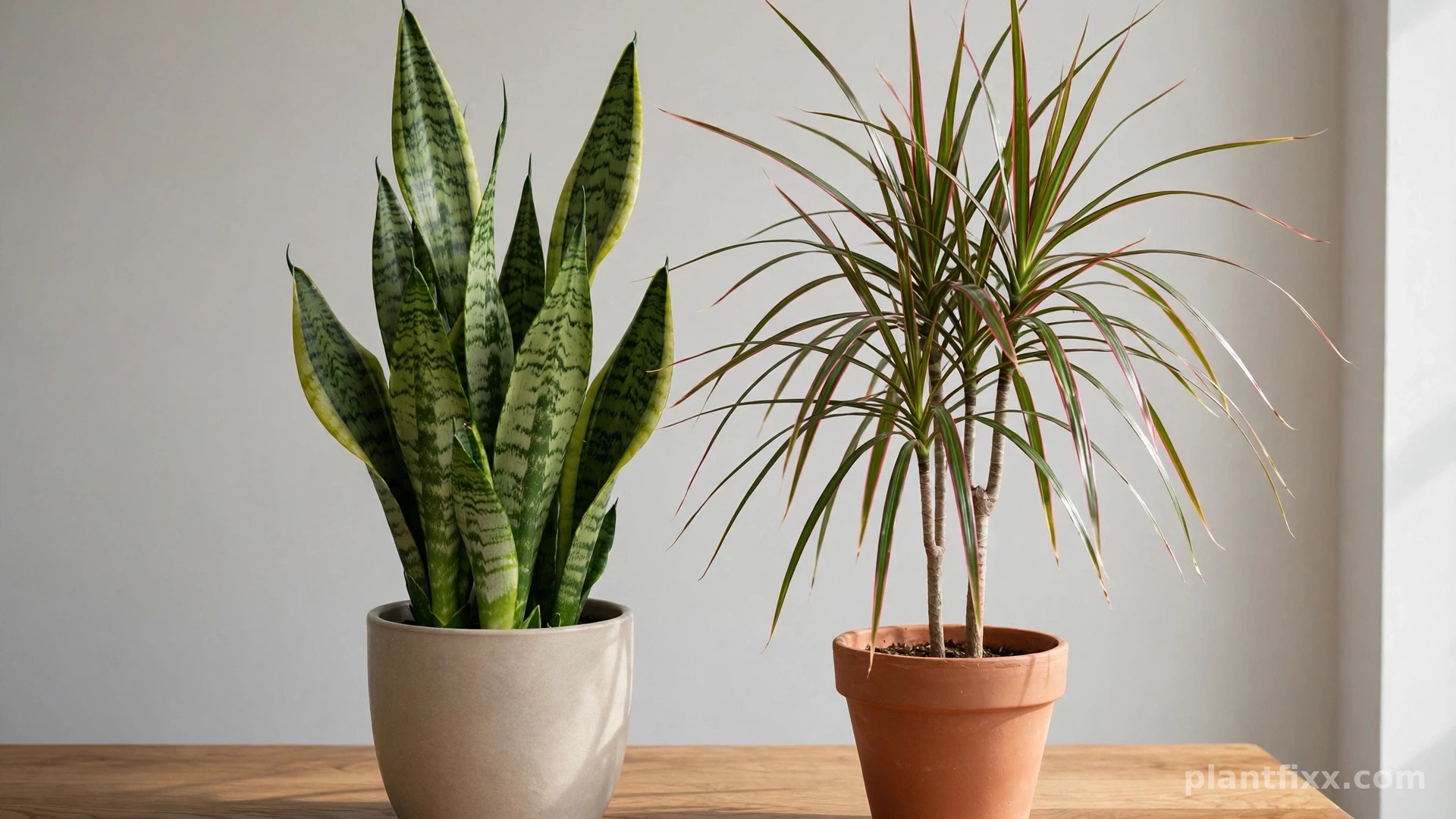
Same genus on paper, opposite watering habits in your living room. The snake plant is drought-adapted, storing water in thick leaves and rhizomes. The dragon tree is woody and wilts if it dries out.
So make this your rule. Never search the bare word “Dracaena” for care advice. Search the full species name, Dracaena trifasciata, or keep using “snake plant” and “Sansevieria”. Both return the right advice. The merge changed the filing system, not the facts.
How to Read Any Nursery Label in 30 Seconds
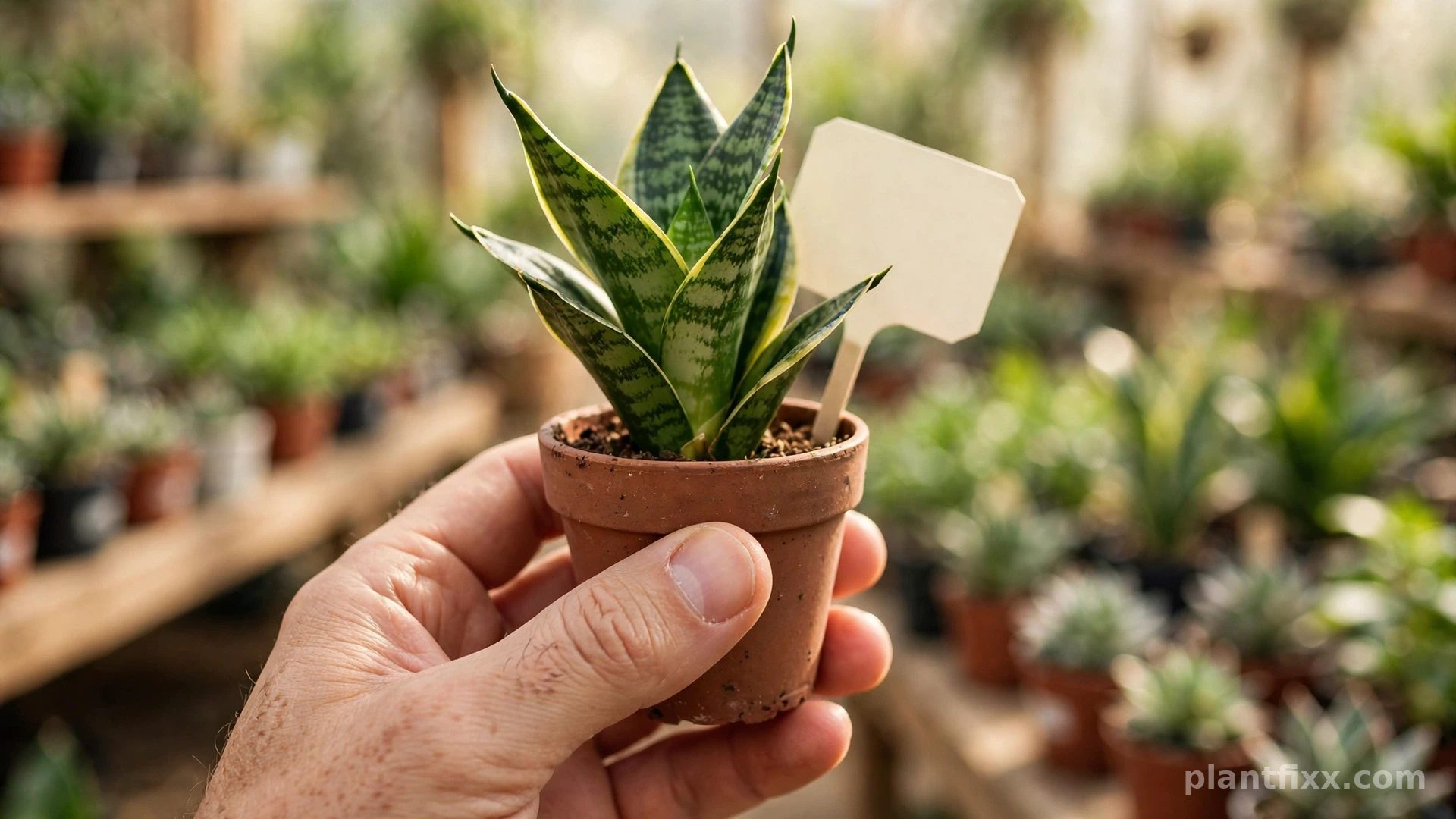
Nursery tags are the messiest part of the transition, because growers print labels years in advance. When you pick up a plant and the name looks unfamiliar, run this quick check before you buy.
First, read the whole label. The cultivar name in single quotes, like ‘Laurentii’ or ‘Moonshine’, never changed, and it tells you exactly which plant you hold. Second, match the label to the leaves. Flat, sword-shaped, banded leaves mean Dracaena trifasciata whatever the tag says. Round, pencil-like leaves mean the cylindrical type. One giant paddle leaf means whale fin. Third, check the date. Anything printed before 2021 almost certainly says Sansevieria, which is old but not wrong.
When in doubt, photograph the plant and compare it against Kew’s Plants of the World Online or the Missouri Botanical Garden database instead of trusting one tag. Ten extra seconds at the nursery saves months of nursing the wrong plant.
When Each Name Still Wins
Different names work better in different places. Use “snake plant” when talking to people. Use “Sansevieria” at the nursery without shame. Most growers still file stock under it, and asking for Dracaena trifasciata may get you pointed at the dragon trees. Match the room you are in.
Use “Dracaena trifasciata” in plant ID apps, scientific databases, and newer reference books. If an app fails to identify your plant, try the other name before you blame the app.
One more place the name matters: pet safety. Snake plants are toxic to cats and dogs under either genus. The saponins did not get renamed. Search both names when checking safety, and read our snake plant toxic to cats and dogs guide if a pet chews a leaf.
What to Do When the Label and Your Plant ID App Disagree
The tag says Sansevieria, the app says Dracaena. Believe the leaves first and the words second. Thick, upright, sword-shaped leaves from underground rhizomes, often banded. If that matches what you hold, both names describe the same plant and there is nothing to resolve.
If the app suggests something that looks nothing like your plant, like a corn plant or a yucca, it misidentified it. Retake the photo in better light with the base included and try again. Do not repot or change the watering based on a shaky ID. A wrong name followed blindly is how healthy plants get killed.
For a final tiebreaker, check Kew’s Plants of the World Online. It lists Dracaena trifasciata as the accepted name with Sansevieria trifasciata as a synonym. When the nursery and the app disagree, the database settles it.
FAQs
Is Sansevieria the same as Dracaena?
Not exactly. Every Sansevieria is now a Dracaena, because the whole Sansevieria genus was merged into Dracaena. But most Dracaenas, like corn plants and dragon trees, were never Sansevierias and need very different care.
Why did they change Sansevieria to Dracaena?
DNA sequencing showed Sansevieria sits inside the Dracaena family tree, confirmed by a 2018 study in the journal Phytotaxa. Under naming rules the older name wins, and Dracaena predates Sansevieria by decades.
Do I need to change how I care for my snake plant after the rename?
No. The rename is paperwork, not biology. Light, water, soil, and feeding stay the same. The only thing to change is how you search: use the full species name or the common name so you do not land on corn plant advice.
Which name should I search for when buying a snake plant?
Search both. Nurseries still list most stock under Sansevieria, while newer databases and apps use Dracaena trifasciata. Either name alone misses half the listings.
Why do nurseries still call it Sansevieria?
Because horticulture values recognition over taxonomy. Growers and garden societies still register cultivars under Sansevieria since that is the name buyers know. The old name will stay on tags for a long time.
Is Dracaena trifasciata toxic to cats and dogs?
Yes. The rename did not change the chemistry. All snake plants contain saponins that cause nausea, vomiting, and diarrhea if a pet chews the leaves. Keep the plant out of reach.
The Name Changed. The Plant Did Not.
Sansevieria vs Dracaena looks like a debate, but it is really a translation problem. Science moved your plant to a new genus because the DNA left no choice. Nurseries kept the old name because their customers never stopped using it. The plant is the same, the care is the same. Use whichever name the room understands, search both names when you need answers, and never take watering advice from a bare “Dracaena care” search.
If this cleared things up, make sure the care itself is right next. Read our snake plant care guide for the full routine on light, water, soil, and propagation.
Pingback: Snake Plant Light: How Much It Really Needs (Indoor Guide)
Pingback: 9 Snake Plant Varieties for Apartments (2026)