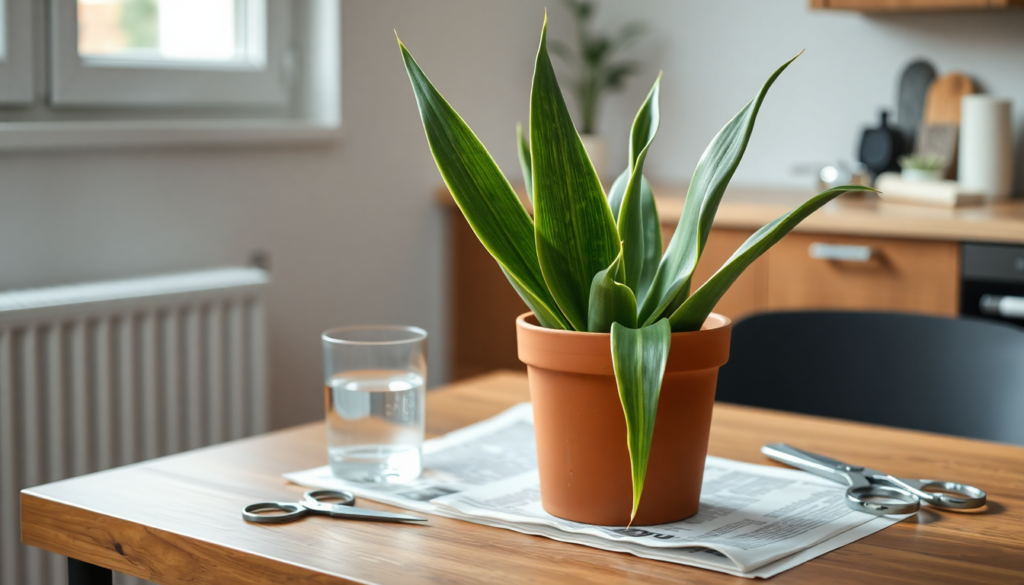
Plant shock after repotting is one of the most misunderstood events in houseplant care. You do everything right: fresh soil, correct pot size, careful root handling. Then you set the plant down and watch it droop, yellow, or drop leaves within 24 hours. The instinct is to fix it immediately by watering more, adding fertilizer, or moving it to more light. All three responses make transplant shock worse, not better.
Understanding what plant shock after repotting actually is, why it happens, which symptoms are normal, and which ones signal something more serious gives you the ability to respond correctly. Most plants experiencing normal transplant shock need one thing above everything else: time and stable conditions.
Quick Answer
Plant shock after repotting is a temporary stress response caused by root disturbance, environmental change, and disrupted water and nutrient uptake. Normal symptoms include drooping, slight yellowing of older leaves, and slowed growth lasting 1 to 3 weeks. Recovery requires stable bright indirect light, correct watering, no fertilizer for 4 to 6 weeks, and patience. Most plants recover fully within 2 to 4 weeks.
Quick Take Transplant shock is a common response that plants exhibit when they are moved or repotted, causing symptoms such as wilting, yellowing leaves, leaf drop, and slowed growth. This stress is typically caused by root disturbance, changes in environmental conditions, and not enough acclimation to new surroundings. Plant shock after repotting is not a disease and does not require treatment beyond stable aftercare. Most plants will show signs of recovery and new growth within 1 to 2 weeks after repotting if given proper care. The most common mistake is over-correcting during the recovery window.
Why Plant Shock After Repotting Happens
Transplant shock occurs when a plant’s root system is disturbed during repotting or relocation. The roots may become damaged or unable to function properly in their new environment, making it difficult for the plant to absorb water and nutrients. As a result, the plant experiences stress and begins to decline.
The biology is specific. During repotting, fine root hairs, which are the primary water and nutrient absorption points, get damaged or severed. These microscopic structures take days to weeks to regenerate. Until they do, the plant’s ability to absorb water drops significantly even when adequate moisture is present in the soil. This mismatch between water demand from the leaves and reduced water supply from the damaged roots triggers the wilting and drooping that looks alarming but is actually a predictable mechanical response.
Plants that have been moved will show signs such as yellowing leaves, dry tips, slow growth, dying, or leaves falling off all at once. The plant sometimes looks thirsty, even when the soil is still wet. This is the key diagnostic clue: a plant that looks drought-stressed despite adequate soil moisture is almost certainly in transplant shock rather than actually underwatered.
One mistake many plant owners make is responding to post-repot drooping with additional watering. A slight droop is a normal sign of transplant shock as the plant redirects energy to re-establish its roots in the new soil. Adding excess water before the damaged root system recovers creates wet conditions around roots that cannot yet absorb properly, raising root rot risk at exactly the moment the plant is most vulnerable.
Normal Signs of Plant Shock After Repotting
These symptoms are expected and do not require intervention beyond standard aftercare.
Drooping and wilting that begins within 24 to 48 hours of repotting and gradually improves over 1 to 3 weeks is the most common normal shock symptom. The plant redirects available energy from leaf maintenance to root regeneration. Leaves lose some of their turgidity temporarily.
Yellowing of older lower leaves occurs because the plant prioritizes resources to newer growth and actively growing root tips. Sacrificing older, less productive leaves to redirect energy is a normal triage response. Remove yellowed leaves cleanly to allow the plant to focus on recovery.
Leaf drop of a few leaves in the first week is within normal range for most houseplants, particularly tropical species. If the plant drops more than 30% of its leaves within the first week, the shock is more severe and requires closer monitoring.
Slowed or stopped growth during the first 2 to 4 weeks is expected. The plant is not stagnating permanently. It is investing all metabolic resources into rebuilding its root system before resuming above-ground growth.
Slight color change where leaves look slightly less vibrant or pale for the first week or two is normal as chlorophyll production adjusts to the new growing environment.
Signs That Plant Shock Is Serious (Not Normal)
These symptoms go beyond typical transplant adjustment and require active intervention.
Rapid collapse of multiple stems or leaves within 24 hours alongside wet, foul-smelling soil can indicate snake plant root rot or another serious root problem. Unpot and inspect the roots immediately.
Black or mushy sections appearing at the base of stems or at the soil line within the first week signal advanced crown rot that requires removing all affected tissue and repotting again in fresh dry soil.
Complete leaf drop across the entire plant within 3 to 5 days indicates either severe root damage during repotting, transplanting during unsuitable conditions (winter dormancy, extreme heat), or the pot size jumped too large and the wet soil is overwhelming the damaged roots.
In severe cases, the entire plant may appear limp or lifeless, indicating significant stress. It is vital to know the difference between temporary stress responses and more serious issues that require immediate attention. While some degree of wilting or yellowing is normal after repotting, persistent symptoms or rapid decline require closer inspection and quick action.
Recovery Timeline by Plant Type
| Plant Type | Normal Shock Duration | Full Recovery |
| Succulents and snake plants | 1 to 2 weeks | 2 to 3 weeks |
| Tropical foliage (pothos, philodendron) | 1 to 2 weeks | 2 to 3 weeks |
| Peace lily and ferns | 2 to 3 weeks | 3 to 5 weeks |
| Calathea and Maranta | 2 to 4 weeks | 4 to 6 weeks |
| Large or mature specimens | 3 to 6 weeks | 6 to 10 weeks |
| Root-sensitive species (fiddle leaf fig) | 4 to 8 weeks | 8 to 12 weeks |
The duration of transplant shock varies depending on the plant type, its overall health, and how well it adapts to the new conditions. In most cases, the shock is temporary, and with proper plant care, plants usually recover within a few weeks.
How to Help a Plant Recover From Shock After Repotting
The recovery process for plant shock after repotting follows a specific sequence. Doing things out of order extends the recovery window and increases the risk of secondary problems.
Place the repotted plant in bright, indirect light for at least a week to prevent additional stress and leaf scorch. If you’re unsure about the right lighting conditions, see our guide to snake plant light requirements. Do not move it to a brighter position thinking more light will speed recovery. The damaged root system cannot support high transpiration rates. More light means more water demand from an already stressed delivery system.
Your plant just had major surgery, and its root system is feeling vulnerable. Give the plant a thorough, gentle watering immediately after repotting. This is called watering in, and it helps the fresh soil settle around the roots, eliminating air pockets that can dry them out. Never use ice-cold water straight from the tap since it shocks the sensitive roots. Let your water sit out to reach room temperature first. After this initial watering, hold off for 7 to 10 days before watering again. Check soil moisture at 2 to 3 inches depth before every watering during the recovery period. For more guidance on when to water based on your plant’s conditions, see our snake plant watering schedule.
Do not fertilize for at least 4 to 6 weeks after repotting. Fresh potting soil contains adequate nutrients for the plant’s immediate needs and the recovering root system cannot efficiently process additional nutrient salts. Premature fertilizing burns new root tips before they harden.
Maintain stable temperatures between 65 and 80 degrees Fahrenheit throughout the recovery window. Keep the plant away from heating vents, cold drafts, and air conditioning airflow. Temperature fluctuations add a second stressor on top of the root disturbance stress and significantly extend the recovery timeline.
Resist the urge to repot again if the plant continues to look stressed for 2 to 3 weeks. With proper care, most plants will recover from transplant shock and resume normal growth. A second repotting resets the recovery clock entirely and causes far more damage than the original shock.
How to Prevent Plant Shock After Repotting
Prevention reduces shock severity significantly even when some shock is unavoidable.
Repot in early spring when the plant is entering its active growing season. Active metabolism supports faster root regeneration and means the plant has the full growing season ahead to establish before winter dormancy slows recovery.
When transplanting plants, avoid disturbing the root system as much as possible. This will help reduce the stress on the plant and increase the chances of survival. Shake off only loose soil rather than washing all soil from the roots. The fine root hairs live in the soil film around the root ball, and removing all soil removes the absorption network along with it.
Water the plant lightly 24 hours before repotting. Slightly moist soil holds together better during removal, protects the root hair layer, and means the plant enters the repotting process well-hydrated rather than starting from a deficit.
During repotting, handle the plant and roots as gently as possible. Loosen any compacted roots if needed and trim damaged roots with sanitized shears to encourage healthy growth. Never pull the plant out by its stems or leaves. Grip at the base of the root ball.
Move up only one pot size. Oversized pots hold excess wet soil that the recovering, damaged root system cannot access or manage. The smaller soil volume of a correctly sized pot dries at an appropriate rate and supports root recovery faster.
Use fresh fast-draining soil with at least 20 to 30% perlite. Well-draining soil prevents the wet conditions that create root rot risk during the period when the root system is most vulnerable.
What Not to Do During Recovery
Do not move the plant repeatedly during the recovery window. Every change in light, temperature, or humidity adds a new stressor on top of the existing root disturbance stress. Pick one stable position and leave the plant there for the full recovery period.
Do not remove healthy leaves to reduce the plant’s water demand. Plants are more likely to recover from transplant shock if they are not also battling damaged foliage. Removing healthy green leaves reduces the plant’s photosynthetic capacity at exactly the time it needs maximum energy production for root regeneration.
Do not apply fertilizer, rooting hormones, or any plant tonic during the first 4 to 6 weeks. The marketing on rooting hormone products suggests they speed transplant shock recovery, but they work on cut stems, not on stressed root systems in soil. The most effective input during recovery is stable environmental conditions, not additional chemistry.
Do not overwater in an attempt to compensate for drooping. Yes, you should gently remove yellow leaves so the plant can focus its energy on growing new, healthy roots and foliage. Beyond this, resist intervention. Consistent, appropriate watering is the only water-related action that helps.
Signs Your Plant Has Fully Recovered
A new leaf unfurling from the growing point is the clearest signal that the plant has established sufficient root mass to support above-ground growth again. This is the definitive marker that recovery is complete. Leaves returning to their full upright posture, deep green color intensity returning to previously pale or dull leaves, and the soil drying at a predictable normal rate between waterings all confirm full establishment in the new pot and soil.
Once you see a new leaf, resume the normal care routine: regular watering based on soil moisture, monthly feeding during the growing season at half strength, and the plant’s usual light position.
Frequently Asked Questions
What are the signs of plant shock after repotting? Normal signs of plant shock after repotting include drooping and wilting within 24 to 48 hours, yellowing of older lower leaves, leaf drop of a few leaves in the first week, slowed or stopped growth for 2 to 4 weeks, and slightly less vibrant leaf color. These symptoms are temporary and self-resolving with correct aftercare.
How long does plant shock after repotting last? Most houseplants recover from transplant shock within 1 to 3 weeks. Succulents and fast-growing tropicals recover fastest in 1 to 2 weeks. Humidity-sensitive plants like calatheas and ferns take 2 to 4 weeks. Large or mature specimens and root-sensitive species like fiddle leaf figs take 4 to 8 weeks in some cases.
How do I help a plant recover from repotting shock? Place the plant in stable bright indirect light, water once at room temperature immediately after repotting then wait 7 to 10 days before watering again, skip fertilizer for 4 to 6 weeks, maintain temperatures between 65 and 80 degrees Fahrenheit, and avoid moving or further disturbing the plant during the recovery window. Do not overwater in response to drooping.
Should I water my plant right after repotting? Yes, once. Water thoroughly with room-temperature water immediately after repotting to settle the soil around the roots and eliminate air pockets. Then hold off for 7 to 10 days before watering again. The damaged root system cannot absorb much water during the early recovery period and overwatering at this stage raises root rot risk significantly.
Is drooping normal after repotting? Yes. Drooping within the first 1 to 3 weeks after repotting is one of the most normal transplant shock symptoms. The plant redirects energy from leaf maintenance to root regeneration, which temporarily reduces the turgor pressure that keeps leaves upright. If drooping persists beyond 3 to 4 weeks or the leaves feel soft and mushy rather than firm, check for root rot rather than assuming continued normal shock.
How do I prevent plant shock when repotting? Repot in early spring, water the plant 24 hours before repotting, handle the root ball from below rather than the stems, disturb soil around the roots as little as possible, move up only one pot size, use fast-draining fresh soil with at least 20 to 30% perlite, and place in stable bright indirect light immediately after repotting.
Pingback: Pothos Plant Care Guide: Apartment Beginner Tips (2026)