
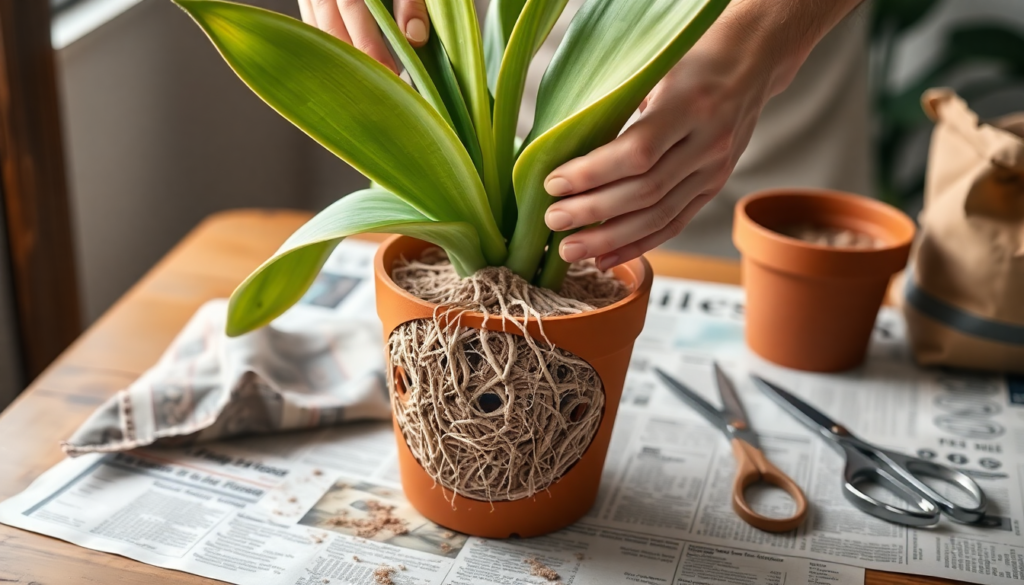
Snake plants are one of the few houseplants that actually prefer being slightly root-bound. This means most growers wait too long to repot a snake plant rather than too little, and it also means premature repotting, moving the plant to a larger container before it has outgrown its current one, causes more stress than it prevents.
Knowing exactly when to repot a snake plant removes the guesswork. This guide covers the 7 specific signs that tell you it is time, the exact steps to repot a snake plant without damaging the root system, and the aftercare that keeps the plant growing strong once it is in fresh soil.
Quick Answer
Repot a snake plant every 2 to 3 years or when you see roots growing out of drainage holes, water draining too fast, cracked pots, stopped growth during the growing season, overcrowded pups, soil smelling sour, or the pot feeling unusually light after watering. Always move up only one pot size and use fast-draining soil.
Quick Take Snake plants (Dracaena trifasciata) thrive on mild root restriction and need repotting far less often than most houseplants. The clearest signal to repot a snake plant is visible roots emerging from drainage holes combined with water draining through the pot almost instantly. The best time is early spring before the growing season begins. Always choose a pot 1 to 2 inches larger in diameter and fresh fast-draining soil. Never reuse old soil when repotting.
How Often Do Snake Plants Need Repotting?
Most snake plants need repotting every 2 to 3 years. It’s optimal to repot your plant when roots fill about 75 percent of the root ball. If you slip it out of its pot, you should see less than 75 percent roots and more than 25 percent potting mix. If you see more roots than that, your plant will definitely appreciate a bigger pot.
Unlike most tropical houseplants that benefit from annual repotting, snake plants store energy in thick underground rhizomes and tolerate tight root conditions well. Unlike many houseplants, snake plants thrive on mild root restriction and premature repotting causes more harm than good. A plant moved to a larger pot before its root system fills the current one sits in excess wet soil that raises root rot risk without providing any growth benefit.
One mistake many beginners make is repotting on a fixed annual schedule rather than watching the plant for the specific signals it gives when it is genuinely ready. The 7 signs below tell you exactly when the time has come.
7 Signs It’s Time to Repot a Snake Plant
Sign 1: Roots Growing Out of Drainage Holes
This is the clearest and most reliable signal. Not just a single thread, but multiple firm, white-to-cream-colored roots visibly exiting the bottom of the pot signal that the root system has filled all available space. When you see this, the plant has been ready to repot for some time already. Check that the roots look white and firm rather than brown and mushy, which would indicate rot rather than overcrowding and requires a different response.
Sign 2: Water Drains Through Almost Instantly
When water passes out from the bottom of the container almost immediately after watering, the soil is too old and depleted, or roots have displaced so much soil volume that there is almost no growing medium left to absorb water. In a healthy pot, water takes 10 to 30 seconds to begin draining after thorough watering. If it rushes straight through in seconds, the root-to-soil ratio has shifted too far toward roots.
Sign 3: The Pot Is Cracking or Bulging
Snake plant roots are strong and aggressive. When confined, plastic pots may split or crack, and clay or ceramic pots may bulge or break when roots push outward. If your pot shows physical deformation from root pressure, repotting is overdue. This is more common in plastic nursery pots than in thick ceramic or terracotta containers.
Sign 4: No New Growth During the Growing Season
A healthy snake plant produces at least one or two new leaves in spring and summer. If the plant has received consistent bright indirect light, correct watering, and some fertilizer during spring and summer but produced zero new leaves across the entire growing season, a root-bound pot is likely restricting growth. The root system has occupied all available space and the plant has no room to expand.
Sign 5: Overcrowded Pups at the Base
Snake plants produce offset plants called pups from their rhizomes. When a pot fills with multiple pups crowding against each other and against the mother plant’s root system, the colony has outgrown its container. This is a good time to repot the mother plant into a larger container or to divide the plant, separating pups into individual pots.
Sign 6: Soil Smells Sour or Dries Out Unusually Fast
Your plant will dry up faster than it used to when it becomes root-bound because roots have replaced most of the soil volume and there is less medium to hold moisture. A sour or musty smell from the soil indicates the organic matter in the potting mix has broken down completely, losing its drainage capacity and harboring bacterial growth. Both signals mean the soil needs replacement regardless of whether the pot size needs to change.
Sign 7: The Pot Feels Unusually Light After Watering
Lift the pot immediately after thorough watering. A pot with healthy soil holds the water weight for at least a day. A root-bound pot feels light almost immediately because roots have displaced the water-holding soil and the water drained straight through. This test works best with plastic or terracotta pots where weight change is noticeable.
Best Time to Repot a Snake Plant
The ideal window to repot a snake plant is early spring (March through May in most temperate zones), when rising temperatures and increasing daylight trigger natural metabolic activity, giving the plant energy to recover and establish in fresh soil.
Observe the plant, not the date. In USDA Zones 9 to 11, where outdoor snake plants grow year-round, active growth often begins in late February. Indoors, consistent daytime temperatures above 70 degrees Fahrenheit and more than 10 hours of daylight signal readiness. If your home stays cool and dim through March, wait until April even if the calendar says spring.
Avoid repotting in late fall or winter whenever possible. The plant’s metabolism slows significantly during dormancy and a disturbed root system recovers much more slowly in cool, low-light conditions. Technically you can repot a snake plant at any time of year, especially if it is struggling with health issues, but late winter to early spring before the growing season begins is the best window.
Choosing the Right Pot Size
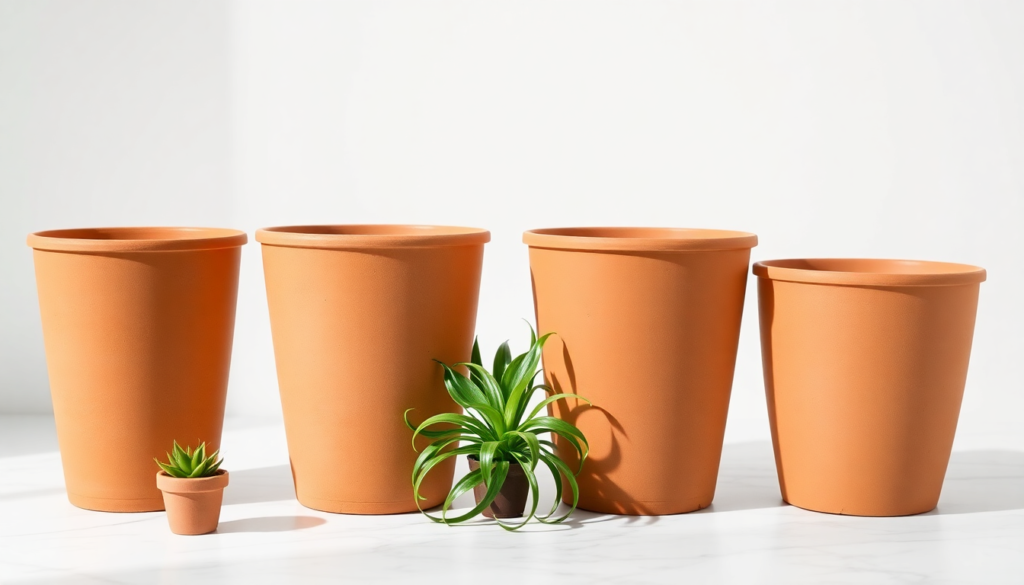
Always move up only one pot size when you repot a snake plant, meaning 1 to 2 inches larger in diameter than the current container.
| Current Pot Size | Next Pot Size |
| 4 inches | 6 inches |
| 6 inches | 8 inches |
| 8 inches | 10 inches |
| 10 inches | 12 inches |
| Over 12 inches | Consider dividing instead of upsizing |
Because snake plants like to fit snugly in their pots, you should only go up one pot size, or about 1 to 2 inches. For top-heavy plants, a sturdy container material such as ceramic can help keep them stable. A pot that is too large holds excess soil that the root system cannot use, keeping moisture trapped around the roots far longer than necessary and raising root rot risk significantly.
Always choose a pot with at least one drainage hole. Terracotta works best for most growers because its porous walls wick excess moisture and help soil dry at the right rate for a succulent plant.
Best Soil Mix for Repotting
Never reuse old soil when you repot a snake plant. Old soil compacts over time, loses drainage capacity, and can harbor the fungal pathogens that cause root rot. Always start with fresh mix.
The correct soil for repotting a snake plant drains completely within 24 to 48 hours of watering. If you’re unsure which mix to use, read our complete guide on Best Soil Mix for Snake Plants. A reliable mix combines 40% all-purpose potting mix, 30% perlite, 20% coarse sand, and 10% pine bark fines. A cactus or succulent mix amended with 20 to 30% extra perlite works equally well as a faster shortcut. Standard potting mix alone holds too much moisture for a snake plant’s root system and sets up the wet conditions that lead to rot.
How to Repot a Snake Plant: Step-by-Step
Step 1: Water the plant lightly about 24 hours before repotting. Slightly moist soil holds together better during removal and reduces root damage.
Step 2: Tip the old pot sideways and gently squeeze or tap the sides to loosen the root ball. Grip the plant near the base of the leaves, not the leaf tips, and slide it out slowly. If it resists, run a clean knife around the inside edge of the pot to release the roots from the container wall.
Step 3: Brush away enough old soil to clearly see the roots. Check every root section. Firm, white or cream-colored roots are healthy. Dark, soft, slimy roots indicate rot and need to be removed with sterilized scissors before proceeding.
Step 4: Add a layer of fresh fast-draining soil to the bottom of the new pot, enough so the plant sits at the same depth it was growing at previously. Center the plant and fill around the root ball with fresh mix, pressing gently to eliminate large air pockets without compacting the soil.
Step 5: Water thoroughly once after potting until water drains freely from the drainage holes, then let it drain completely. Do not water again for 7 to 10 days to give the root system time to settle before being asked to absorb moisture again.
Aftercare After Repotting
Keep the plant in bright indirect light for the first 2 to 3 weeks after repotting rather than its usual bright window position. Stressed roots cannot support the same level of transpiration they handled before, so reducing light intensity slightly during recovery prevents additional stress. Resume the normal position once you see a new leaf or the plant looks settled and upright.
Hold off on fertilizing for 4 to 6 weeks after repotting. Fresh soil contains enough available nutrients for the plant’s immediate needs and the root system needs time to establish before it can efficiently take up additional nutrient salts. Premature fertilizing in the weeks after repotting risks burning the new root growth before it hardens.
Expect the plant to look slightly stressed for 1 to 3 weeks after repotting. Slightly droopy or less firm leaves during this period are a normal transplant response, not a sign of a problem. The plant stabilizes and resumes active growth within 3 to 6 weeks in most cases.
Frequently Asked Questions
How often should you repot a snake plant? Repot a snake plant every 2 to 3 years or when you observe specific physical signs: roots emerging from drainage holes, water draining too fast, cracked pots, stopped growth during the growing season, or soil that smells sour. Snake plants tolerate mild root restriction well, so watch for signs rather than following a fixed calendar schedule.
What size pot should I use when I repot a snake plant? Always move up only one pot size, meaning 1 to 2 inches larger in diameter than the current container. Oversized pots hold excess wet soil that raises root rot risk without benefiting the plant. A 6-inch pot moves to an 8-inch pot, never directly to a 12-inch pot.
What is the best soil to repot a snake plant? Use a fast-draining mix of 40% potting mix, 30% perlite, 20% coarse sand, and 10% pine bark fines. A cactus or succulent mix with 20 to 30% extra perlite added also works well. Never reuse old soil when repotting and never use standard potting mix alone.
When is the best time to repot a snake plant? Early spring from March through May is the best time to repot a snake plant because rising temperatures and increasing daylight hours trigger active metabolic activity that supports faster recovery and root establishment in fresh soil. Avoid repotting in late fall or winter during dormancy unless a health problem like root rot makes it necessary.
Should I water my snake plant right after repotting? Water once thoroughly immediately after repotting to settle the soil, then hold off for 7 to 10 days. The freshly disturbed root system cannot absorb much water during the initial recovery period and premature watering raises the risk of rot before new roots establish in the fresh soil.
Can I divide my snake plant while repotting it? Yes, and repotting is the ideal time to divide a snake plant that has multiple crowded pups or clusters. Once the plant is out of its pot and roots are exposed, separate sections that each have their own leaves, a portion of rhizome, and attached roots. Pot each division individually in fresh fast-draining soil.