
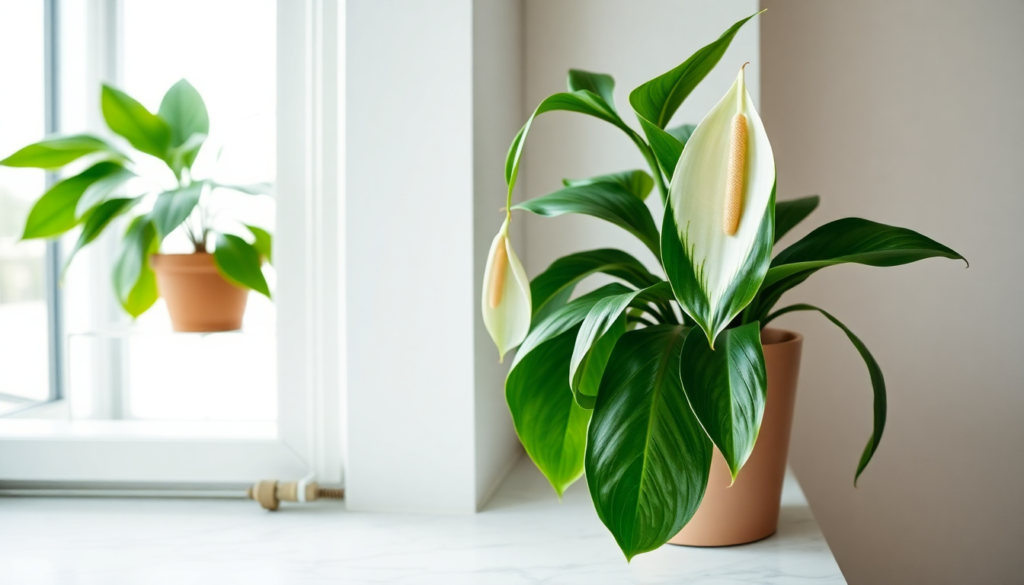
An indoor plant drooping is your houseplant’s most direct communication. The stems go limp. The leaves hang. Something is wrong and the plant is spending structural energy it cannot afford to keep spending. The longer the cause goes unaddressed, the harder the recovery becomes.
A drooping houseplant has two primary causes: underwatering (the most common) and overwatering or root rot. But seven additional causes produce identical-looking symptoms and lead growers to apply the wrong fix. Watering a drought-stressed plant recovers it within hours. Watering an overwatered plant with root rot accelerates the very problem causing the droop. Getting the diagnosis right before taking action is the difference between a plant that recovers and one that does not.
This guide gives you a fast diagnostic framework and the exact fix for every cause of indoor plant drooping.
Quick Answer
Indoor plant drooping is most commonly caused by underwatering, overwatering and root rot, low humidity in heated or air-conditioned rooms, temperature shock, transplant stress, root-bound pots, or pest damage. Check soil moisture and leaf texture first. Dry soil with firm leaves means underwatering. Wet soil with soft leaves means overwatering. Fix the specific cause and most plants recover within 24 to 72 hours.
Quick Take Droopy leaves in indoor plants usually indicate environmental stress such as improper watering, low light, temperature fluctuations, or poor airflow rather than disease. The fastest diagnostic tool is the combination of soil moisture check plus leaf texture. Firm drooping leaves in dry soil = underwatering. Soft, mushy drooping leaves in wet soil = overwatering and likely root rot. All other causes produce drooping with adequately moist soil and firm leaves. Most indoor plant drooping resolves within 24 to 72 hours once the correct cause is addressed.
Why Plants Droop: The Biology
Plant leaves and stems stay upright through turgor pressure, the internal water pressure inside leaf and stem cells that keeps them rigid. When turgor pressure drops because cells lose more water than they receive, the plant loses structural support and droops. Turgor pressure drops when roots fail to deliver water fast enough to replace what leaves lose through transpiration.
This means any condition that either reduces water supply to the roots (drought, root rot, root-bound soil) or increases water loss from the leaves (low humidity, heat, direct sun, cold drafts) tips the balance toward drooping. Understanding this mechanism tells you immediately which direction to look: is the supply chain failing, or is the demand side overwhelming it?
One mistake many plant owners make is responding to any drooping with water. If the supply chain is failing because of overwatering and root rot, adding more water makes every cell in that root system worse. The correct first step is always diagnosis before action.
The 2-Minute Diagnosis
Before touching a watering can, run this check:
Press your finger 2 to 3 inches into the soil. If the soil is dry and crumbly and the leaves feel firm but wilted, underwatering is the cause. If the soil is wet or damp and the leaves feel soft, squishy, or translucent at the base, overwatering and root rot are the cause. If the soil feels adequately moist and the leaves are firm but still drooping, the cause is environmental: low humidity, temperature stress, transplant shock, root-bound pot, pests, or disease.
Cause 1: Underwatering
Underwatering is the most common cause of indoor plant drooping. When soil dries completely, roots lose the water film they need to absorb moisture and turgor pressure across the entire plant drops rapidly. Most houseplants show drooping within 24 to 48 hours of reaching complete soil dryness.
The recovery for underwatering is immediate and reliable. Water thoroughly until water flows freely from drainage holes. For soil that has dried so completely it pulls away from the pot edges, place the pot in a shallow basin of room-temperature water for 20 to 30 minutes so the root ball rehydrates evenly from below. Most plants show visible recovery within 2 to 6 hours of a proper deep watering. If the plant does not recover within 24 hours despite correct watering, underwatering is not the only issue and another cause needs investigation.
Cause 2: Overwatering and Root Rot
Too much water leaves roots gasping for air. Soggy soil quickly leads to rot, and drooping leaves are your plant’s distress signal. Unlike underwatering where the problem is too little water reaching leaves, overwatering causes drooping because the root system has been damaged and can no longer transport water at all. The soil is wet but the plant behaves as though it is drought-stressed because the delivery system has failed.
If your plant is overwatered: stop watering and allow the soil to dry out completely. Check the roots for rot. Unpot the plant, remove all dark, mushy, slimy roots with sterilized scissors, and repot in fresh fast-draining soil. Let the soil dry completely before the next watering. A plant with moderate root rot that receives this treatment typically shows improvement within 1 to 2 weeks as new healthy roots develop.
Cause 3: Low Humidity
Tropical plants like Calatheas, ferns, and Peace Lilies evolved in high-humidity environments where the air holds a lot of moisture. In a dry indoor environment, especially in winter when heating dries out the air, these plants lose water through their leaves faster than their roots can replace it, even if the soil is perfectly moist. The leaves droop as a response to water stress that is happening at the leaf level, not the root level.
The most effective solution is a small humidifier placed near your plants. Group plants together: they release moisture through transpiration and create a small humid microclimate around each other. Place pots on a pebble tray filled with water, with the pot sitting above the waterline rather than submerged. Track actual humidity with a hygrometer. Most tropical plants prefer 40 to 60% relative humidity. This cause affects humidity-loving tropicals like ferns, calatheas, prayer plants, and alocasias far more than succulents or snake plants.
Cause 4: Temperature Shock and Cold Drafts
Sudden temperature changes are a common reason for plants drooping. Cold drafts from windows or air conditioners can shock indoor plants, while heat stress from radiators or outdoor heatwaves can rapidly dehydrate them. Cold air disrupts the xylem transport system in leaves, concentrating damage at the extremities first and causing drooping that appears suddenly rather than gradually.
Move the plant away from cold windows, exterior doors, air conditioning vents, and radiators. Maintain stable temperatures between 60 and 80 degrees Fahrenheit for most common houseplants. Cold-damaged tissue does not recover but the rest of the plant resumes normal growth once temperatures stabilize within the correct range.
Cause 5: Transplant Shock
If you recently repotted your plant or brought it home from the nursery, the stress and change in environment can cause leaves to droop for a period of time as it adjusts. This transplant shock from changes in light, humidity, and growing space can put plants into a funk.
Transplant shock drooping is temporary and self-resolving. The root system needs 1 to 3 weeks to re-establish in new soil and resume efficient water and nutrient transport. During this period, keep the plant in bright indirect light rather than direct sun, avoid fertilizing, and water only when the top 2 inches of soil feel dry. Do not repot again or make additional changes to the environment while the plant adjusts. Most plants recover fully within 2 to 4 weeks with no intervention beyond patient consistent care.
Cause 6: Root-Bound Pot
When roots outgrow the pot, they circle tightly, limiting water and nutrient uptake. The plant becomes pot-bound, leading to stress drooping despite proper care. Roots visible through drainage holes or circling the root ball. Water runs straight through without absorbing. Slow growth plus frequent drooping.
Repot into a container 1 to 2 inches larger in diameter with fresh fast-draining soil. The expanded root zone allows proper water and nutrient uptake to resume. Most plants show improvement within 2 to 3 weeks after repotting into an appropriately sized container. Never move more than one pot size up at once since oversized pots hold excess wet soil that raises root rot risk.
Cause 7: Pest Damage
Pests like spider mites or aphids suck sap, causing wilting. Sap-feeding insects reduce the plant’s internal fluid pressure by extracting cellular contents directly from leaf and stem tissue. Heavy infestations cause the same turgor pressure failure that drought causes, producing drooping that looks identical to underwatering but does not respond to watering.
Inspect the undersides of every leaf for fine webbing (spider mites), white cottony deposits (mealybugs), tiny brown shells (scale), or sticky residue with tiny insects (aphids). Treat with neem oil or insecticidal soap spray applied to all leaf surfaces every 7 days for 3 treatment cycles. Move the affected plant away from other houseplants immediately to prevent spread.
Cause 8: Fusarium Wilt and Root Disease
Diseases such as fusarium wilt block water transport. Fusarium oxysporum is a soilborne fungal pathogen that colonizes the xylem tissue of plant roots and stems, physically blocking water movement upward through the plant. Unlike root rot which makes roots mushy and dark, fusarium wilt leaves roots that look relatively intact but have brown or tan vascular tissue visible when a root is cut crosswise.
Fusarium wilt is difficult to treat once established. Remove and destroy affected plants to prevent soil contamination. Sterilize all tools and pots that contacted infected plants with a 10% bleach solution. Use fresh, sterile potting mix for any replacement planting. Improve soil drainage and reduce overwatering since wet soil conditions favor fusarium spread.
Cause 9: Light Stress
Improper light exposure frequently affects a drooping indoor plant. Low light conditions cause weak, stretched growth that cannot support leaf weight. Excessive sunlight can stress plants, causing moisture loss and heat damage that leads to drooping. Both extremes interfere with photosynthesis and energy balance.
Low-light drooping produces etiolated, elongated stems that are structurally too weak to support the weight of leaves. The fix is gradual light increase over 2 to 3 weeks. Direct sun drooping happens fastest in afternoon sun and often accompanies brown or bleached leaf patches. Move the plant 3 to 5 feet back from the window or add a sheer curtain to diffuse the intensity.
Fast Diagnostic Table
| Soil Condition | Leaf Texture | Timing | Most Likely Cause |
| Bone dry | Firm but wilted | Gradual over days | Underwatering |
| Wet, smells sour | Soft, mushy at base | Progressive over weeks | Overwatering and root rot |
| Moist and normal | Firm, drooping all over | Worse in afternoon or winter | Low humidity |
| Normal | Firm, sudden droop | After a cold night or move | Temperature shock |
| Normal | Firm, slow onset | After recent repotting | Transplant shock |
| Normal but drains fast | Firm, persistent | Long-term, no new growth | Root-bound pot |
| Normal | Firm with sticky residue or webbing | Gradual, spreading | Pest infestation |
| Normal | Firm, one-sided wilt | Progressive despite correct care | Fusarium wilt |
| Normal | Firm, elongated weak stems | Gradual in dim room | Light deficiency |
How to Revive a Drooping Indoor Plant: Step-by-Step
Once you identify the cause using the diagnostic table above, follow the matching recovery process without adding any additional stressors during the recovery period.
For underwatering, water deeply and immediately and expect visible recovery within 2 to 6 hours. For overwatering and root rot, stop watering, unpot and inspect roots, remove rot with sterilized scissors, repot in fresh fast-draining soil, and wait 7 to 10 days before the first post-repot watering. For low humidity, increase humidity using a humidifier or pebble tray and move the plant away from heating vents. For temperature shock, move the plant to a stable temperature between 60 and 80 degrees Fahrenheit and avoid any additional environmental changes for 2 to 3 weeks. For transplant shock, maintain consistent bright indirect light and correct watering and give the plant 2 to 4 weeks to self-recover. For a root-bound pot, repot into a container 1 to 2 inches larger. For pest damage, isolate the plant, treat with neem oil or insecticidal soap on a 7-day cycle for 3 weeks. For light stress, adjust placement gradually over 2 to 3 weeks.
Prevention: Stop Indoor Plant Drooping Before It Starts
Check soil moisture 2 to 3 inches deep before every watering rather than watering on a fixed schedule. Use pots with drainage holes and fast-draining soil with at least 20 to 30% perlite. Keep plants away from heating vents, radiators, cold drafts, and direct afternoon sun. Inspect leaf undersides monthly for early pest signs. Repot every 2 to 3 years before root-binding causes stress. Match your plant species to your actual light conditions rather than adjusting care to compensate for a wrong placement.
Frequently Asked Questions
Why is my indoor plant drooping suddenly? Sudden indoor plant drooping with no gradual buildup usually points to temperature shock from a cold draft or sudden move, severe underwatering that crossed the turgor pressure threshold overnight, or pest damage that reached a tipping point. Check soil moisture and leaf texture first, then inspect for pests on leaf undersides.
Can a drooping plant recover? Yes, in most cases. Plants drooping from underwatering recover within 2 to 6 hours of thorough watering. Plants drooping from overwatering and root rot recover in 1 to 3 weeks after proper root pruning and repotting. Transplant shock resolves in 2 to 4 weeks. Pest-related drooping recovers within 2 to 3 weeks of consistent treatment.
Why is my plant drooping even though the soil is moist? Indoor plant drooping despite moist soil points to one of these causes: overwatering and root rot where the root system has failed despite wet soil, low humidity where leaves lose moisture faster than roots replace it, temperature shock, transplant stress, a root-bound pot limiting nutrient uptake, pest damage, or fusarium wilt blocking vascular water transport.
How do I know if my plant is drooping from overwatering or underwatering? Check the soil moisture and the leaf texture. Underwatering produces firm but wilted leaves alongside bone-dry soil that has pulled away from the pot edges. Overwatering produces soft, squishy, or mushy leaves alongside wet soil that smells sour or musty. The soil moisture condition is the fastest and most reliable diagnostic tool.
Should I water a drooping plant? Only if the soil is dry. Check 2 to 3 inches deep with your finger before watering any drooping plant. If the soil feels moist, do not add water regardless of how drooped the plant looks. Watering a plant that is already drooping from overwatering or root rot accelerates the damage.
How long does it take for a drooping plant to recover? Recovery time depends on the cause. Underwatering: 2 to 6 hours. Temperature shock: 24 to 48 hours once conditions stabilize. Transplant shock: 2 to 4 weeks. Root rot with pruning and repotting: 1 to 3 weeks. Pest treatment: 2 to 3 weeks. Root-bound repotting: 2 to 3 weeks.