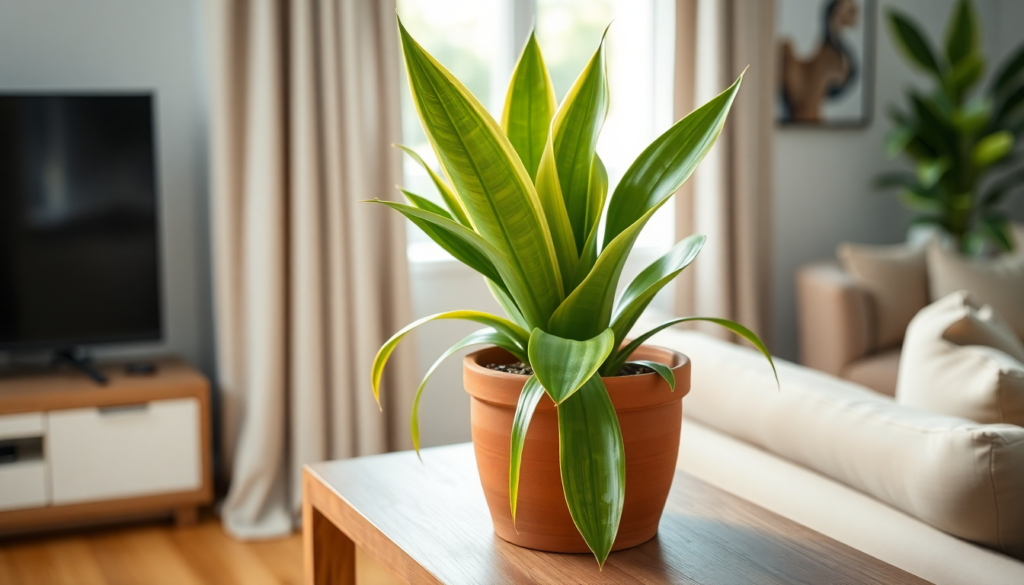
Snake plant yellow leaves rank among the most common problems new and experienced plant owners face, and the cause rarely stays the same twice. A snake plant with yellow leaves sits in too much water, starves for light, or sheds an old leaf as part of its normal growth cycle. Reading the pattern on the leaf itself works best, since color, texture, and location on the plant point to a specific cause almost every time.
Quick Answer
Snake plant yellow leaves most often trace back to overwatering, root rot, or soil staying wet too long. Check the soil first. If it feels damp two inches down and the leaf base feels mushy, cut back on water and check the roots before doing anything else.
Quick Take
Yellow leaves on a snake plant almost always trace back to water, light, or age. Soft, mushy yellow leaves near the base signal overwatering or root rot and need immediate soil and root inspection. Dry, curling yellow leaf tips point to underwatering or too much direct sun. A single old outer leaf turning yellow and dying back slowly shows normal aging and needs no fix. Match the leaf texture and location to the cause before changing your care routine.
In practice, diagnosing snake plant yellow leaves starts with touch, not sight. Soft, collapsing tissue near the base points to a root problem almost every time, while dry, papery tips point toward light or water scarcity instead. Botanically, Dracaena trifasciata stores water in thick leaf tissue and pulls from this reserve during dry stretches, so a healthy leaf usually holds firm even weeks between waterings. A soft leaf signals a root system under stress rather than simple dryness, and treating the two problems the same way delays recovery.
What Causes Snake Plant Yellow Leaves
Dracaena trifasciata, commonly known as the snake plant, stores water in its thick, fleshy leaves and draws from this reserve during dry spells. Snake plant yellow leaves develop when the plant redirects resources away from a leaf, either because the root system faces stress, the light level doesn’t match the plant’s needs, or the leaf has reached the end of its natural life. The color shift starts at the chlorophyll level. Once a leaf stops producing enough chlorophyll, the green fades and the underlying yellow pigment shows through, usually starting at the base or tip depending on the cause.
1. Overwatering and Poor Drainage
Overwatering ranks as the leading cause of snake plant yellow leaves by a wide margin. Snake plants originate from arid regions of West Africa and store enough water in their leaves to survive weeks without a drink. Watering every few days, or watering on a set calendar instead of checking the soil, keeps the roots sitting in moisture they never needed. The yellowing usually starts near the base of the leaf and feels soft or mushy to the touch rather than dry. Catching this early and letting the soil dry out completely before the next watering often stops further yellowing. For a full seasonal breakdown, the snake plant watering schedule guide walks through exactly how often to water by season and pot size.
Overwatering ranks as the leading cause of snake plant yellow leaves by a wide margin. Snake plants originate from arid regions of West Africa and store enough water in their leaves to survive weeks without a drink. University of Minnesota Extension warns that too much care often turns into overwatering with houseplants, and recommends checking the top few inches of soil before watering instead of following a fixed schedule.
2. Root Rot From Soggy Soil
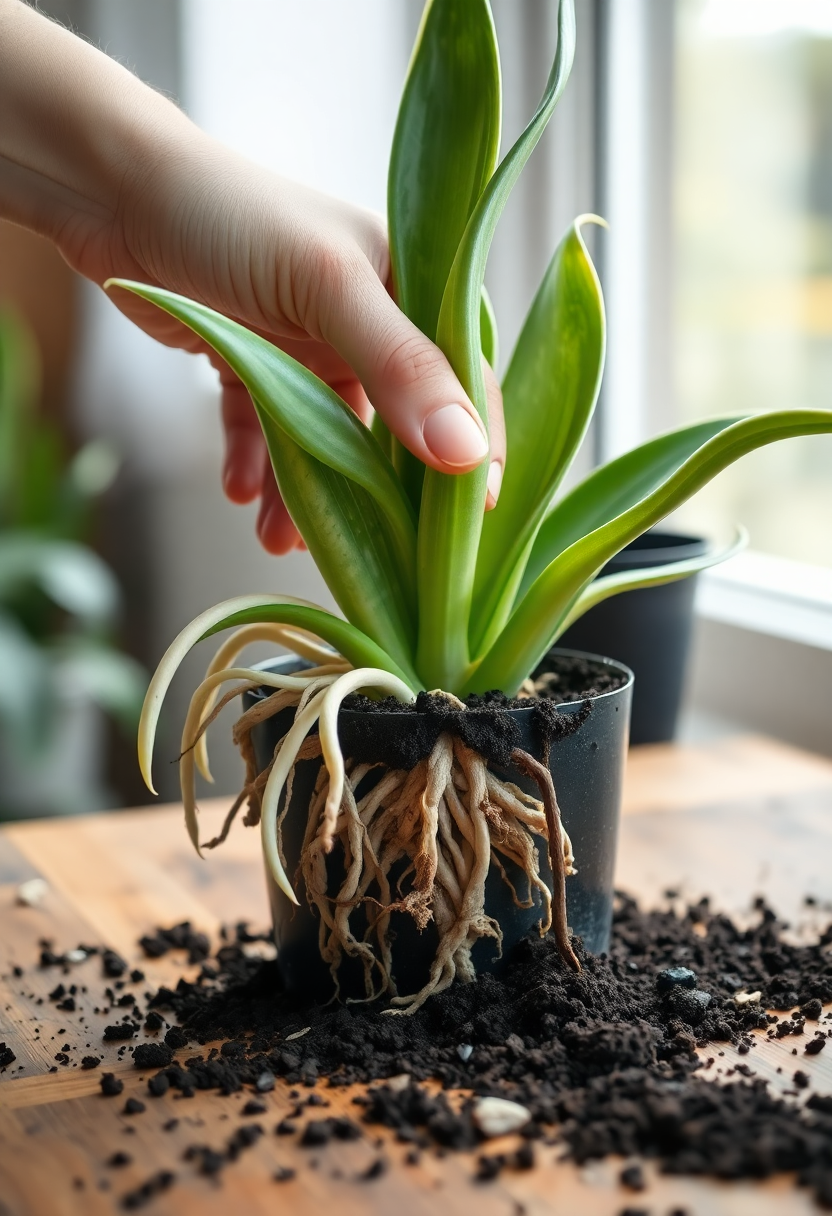
Left unchecked, overwatering turns into root rot, and root rot pushes snake plant yellow leaves from a minor issue into a threat to the whole plant. Roots sitting in wet soil for extended periods lose oxygen and begin to decay, and a decaying root system loses the ability to pull water and nutrients up to the leaves, so the leaves yellow and collapse even though the soil looks wet enough. Pull the plant out of its pot and check the roots. Healthy roots stay firm and pale. Rotted roots turn dark and soft and often carry a sour smell. If this happens, the snake plant root rot guide covers how to trim affected roots and repot safely without losing the plant.
plantfixx.com
Left unchecked, overwatering turns into root rot, and root rot pushes snake plant yellow leaves from a minor issue into a threat to the whole plant. Clemson HGIC’s factsheet on houseplant diseases notes that overwatering creates wet conditions that encourage root rot pathogens, and recommends limiting watering to when the soil is dry at least two inches down from the surface.
3. Underwatering and Extended Drought Stress
Snake plants tolerate neglect well, but limits still exist. Weeks of bone-dry soil combined with low humidity cause older leaves to yellow from the tip downward, often with a wrinkled or slightly shriveled texture rather than the soft mush seen in overwatering. Expect a slower, drier progression here. The leaf yellows gradually over a couple of weeks and the surrounding soil pulls away from the edges of the pot. A deep watering, fully saturating the root ball and letting the excess drain out completely, usually reverses mild drought stress within one to two weeks.
4. Too Much Direct Sunlight
Snake plants handle a wide light range, but hours of harsh, direct afternoon sun through an unfiltered window scorch the leaf tissue over time. The yellowing here often shows up alongside bleached or papery patches rather than an even color change, and it tends to appear on the side of the leaf facing the window. Moving the plant a few feet back, or adding a sheer curtain to diffuse the light, usually stops new damage, though existing yellow patches won’t turn green again.
5. Not Enough Light
Retailers often market snake plants as low light plants, and while they survive in dim corners, prolonged low light without any indirect brightness slows growth and pushes older leaves toward yellowing as the plant redirects energy to newer growth. Low light doesn’t mean no light. A spot several feet from a window still receiving indirect daylight works fine, but a windowless hallway or a corner without daylight leads to decline over time. For a breakdown of what different light levels mean for this plant, the snake plant light requirements guide covers the difference between low, medium, and bright indirect exposure.
6. Wrong Pot Size or Poor Drainage
A pot without drainage holes, or one sized too large for the current root system, holds excess moisture against the roots long after the topsoil looks dry. This creates the same soggy conditions as overwatering even with correct watering habits. Snake plants also prefer staying slightly root-bound, so a pot sized too large gives the roots more wet soil than they use. Repotting into a container with drainage holes, filled with fast-draining soil, solves this at the source. The best soil mix for snake plants guide breaks down the exact ratio of potting mix, perlite, and coarse sand which keeps roots dry between waterings.
7. Nutrient Deficiency or Fertilizer Buildup
Both too little and too much fertilizer show up as yellowing, though the pattern differs. A plant never fed in years, growing in the same depleted soil, develops pale, uniformly yellow-green leaves. A plant fed too often develops a white or yellow-brown crust on the soil surface along with yellow, slightly burnt-looking leaf edges from salt buildup. Flushing the soil with water to wash out excess salts, or feeding a diluted balanced fertilizer once during the growing season, addresses either extreme.
8. Temperature Stress and Cold Drafts
Snake plants prefer temperatures between 60 and 85 degrees Fahrenheit and react poorly to cold drafts from windows, doors, or air conditioning vents. Leaves exposed to sustained cold below 50 degrees often develop yellow or brown patches along with a soft, water-soaked texture similar to frost damage. Moving the plant away from drafty windows and exterior doors during colder months prevents this entirely.
9. Natural Aging of Lower Leaves
Not every yellow leaf signals a problem. Snake plants shed their oldest, outermost leaves as part of normal growth, and this shows up as a single lower leaf slowly turning yellow over several weeks before dying back completely while the rest of the plant looks healthy. Expect a slow, contained change limited to one or two of the oldest leaves rather than a spreading pattern. This needs no intervention beyond trimming the spent leaf at the soil line once it turns fully yellow.
10. Pests Feeding on the Plant
Spider mites and mealybugs occasionally target snake plants, and their feeding damage shows up as yellow speckling or streaking, often paired with fine webbing or small white cottony clusters near the leaf base. Wiping leaves down with a damp cloth and inspecting the undersides regularly catches an infestation early. For active pests, insecticidal soap applied every seven to ten days for a few weeks clears most cases.
Snake Plant Yellow Leaves: Causes at a Glance
| Cause | Leaf Texture | Where It Shows Up | Fix Priority |
| Overwatering | Soft, mushy | Base of leaf | Immediate |
| Root rot | Soft, collapsing | Base and lower stem | Immediate |
| Underwatering | Dry, wrinkled | Leaf tip | Within days |
| Too much sun | Bleached, papery | Sun-facing side | Within days |
| Not enough light | Thin, pale | Whole leaf, older growth | Within weeks |
| Poor drainage | Soft or uneven | Base of leaf | Within days |
| Fertilizer buildup | Crusty edges | Leaf tip and edges | Within days |
| Cold stress | Soft, water-soaked | Random patches | Immediate |
| Natural aging | Even, gradual | One outer leaf only | No action needed |
| Pests | Speckled | Scattered spots | Within days |
How to Prevent Snake Plant Yellow Leaves
Preventing snake plant yellow leaves comes down to matching care to the plant’s natural habits instead of fighting against them. Water only when the top two inches of soil turn fully dry, and always use a pot with drainage holes sitting in fast-draining soil. Place the plant somewhere it gets bright, indirect light for most of the day rather than deep shade or harsh direct sun. Feed lightly once or twice during the growing season instead of on a strict monthly schedule, and keep the plant away from cold drafts in winter. Checking the leaves and soil once a week takes under a minute and catches most issues before they spread.
Warning Signs That Need Immediate Action
A few signs mean snake plant yellow leaves need attention the same day instead of waiting. A strong, sour smell coming from the soil almost always means root rot has set in. Multiple leaves collapsing or turning mushy at the same time points to advanced overwatering or a rotted root system. Yellowing spreading from leaf to leaf within a week, rather than staying contained to one older leaf, signals an active problem instead of normal aging. In any of these cases, unpot the plant, inspect the roots, trim away anything soft or dark, and repot into fresh, dry soil right away.
Final Takeaway
Snake plant yellow leaves almost always point back to one of three things: water, light, or age. Match the leaf texture and location to the cause, fix the root of the problem rather than trimming the leaf alone, and adjust your watering and light setup going forward. Most snake plants recover fully within a few weeks once you correct the underlying issue, and new growth coming in green confirms the fix worked.
FAQ
What causes snake plant yellow leaves? Snake plant yellow leaves most often come from overwatering, root rot, poor light, or normal aging of older leaves. Checking the soil moisture and leaf texture first narrows down the cause quickly.
Should I cut off yellow leaves on my snake plant? Yes, once a leaf turns fully yellow it won’t turn green again. Trim it at the base with clean scissors so the plant directs energy toward healthy growth.
Does a snake plant recover from yellow leaves? The plant recovers fully once you fix the underlying cause, though the yellow leaves themselves won’t reverse. New growth coming in green shows the plant bounced back.
How often should I water a snake plant to avoid yellow leaves? Water only when the top two inches of soil turn completely dry, usually every two to four weeks depending on light, pot size, and season.
Is yellowing on a single leaf something to worry about? Not always. A single lower leaf yellowing slowly while the rest of the plant looks healthy usually points to natural aging and needs no fix.
What does root rot look like compared to normal yellowing? Root rot comes with soft, dark, foul-smelling roots and often several yellowing leaves at once, while normal aging stays limited to one leaf with firm, healthy roots underneath.