
Snake plant handles several light levels, needs infrequent watering, and grows upward without using much floor space, making it dependable for most bedrooms. That much is well established. What most guides skip is the next question: which specific snake plant variety is right for your bedroom, given your actual room size, your window direction, and where you plan to put it.
A 3-foot Laurentii overwhelms a small nightstand. A 6-inch Hahnii disappears in a large master bedroom corner. A Moonshine fades and loses its signature color in a north-facing room. These mismatches are avoidable once you match the best snake plant for bedroom placement to the actual conditions of your specific room.
Quick Answer
The best snake plant for bedroom use depends on room size and light. For large bedrooms with bright windows, Laurentii or Zeylanica as a floor plant is ideal. For medium bedrooms with moderate light, Futura Robusta or Moonshine works well on a dresser. For small bedrooms or nightstands with low light, Bird’s Nest Hahnii or Whitney is the right choice. All varieties share the same basic care requirements.
Quick Take: Snake plants use a specialized photosynthesis process called CAM (Crassulacean Acid Metabolism), which lets them open their pores at night to save water. This makes them very tolerant of dry conditions and irregular watering, and a dependable pick for a dim bedroom corner. Your best choice still depends on room size, light, and how much care you can offer. This guide matches six varieties to six bedroom scenarios.
Why Snake Plants Work Well in Bedrooms
Their CAM photosynthesis means they open their stomata at night rather than during the day, which minimizes water loss in their native arid environment. This is why they cope so well with dry air and irregular watering. Their effect on bedroom air quality is small, so choose one for its looks and easy care, not for air purification.
Their CAM photosynthesis process means they open their stomata at night rather than during the day to minimize water loss in their native arid environment. This nighttime gas exchange means a snake plant in your bedroom is actively processing air during the hours you are in the room most. The air purification effect of a single plant in a bedroom is modest rather than transformative, but it is measurable. A single mature snake plant placed within 6 feet of your bed contributes to CO2 reduction and particulate filtration overnight.
Their upright, vertical growth habit uses floor space efficiently. A Laurentii at 3 feet tall occupies roughly the same floor footprint as a single dinner plate. No other plant variety provides that much vertical visual interest per square inch of floor space, which matters enormously in bedrooms where furniture competition for space is real.
They tolerate irregular watering better than almost any other commonly available houseplant. Bedrooms are where plant care routines break down most often because they are out of the main living area where visual reminders to water exist. A snake plant that can go 4 to 6 weeks between waterings in a bedroom aligns with how most people actually behave rather than how they intend to behave.
One consideration worth being honest about: all Dracaena snake plant varieties are toxic to cats and dogs if ingested. They contain saponins that cause oral irritation, vomiting, and drooling in pets. If a cat or dog sleeps in your bedroom, place the plant in a position where access is impossible or choose a pet-safe alternative. Do not mist bedroom snake plants. Snake plants actively dislike moisture on their leaves, and misting creates conditions for fungal problems in the lower-airflow environment of a closed bedroom at night.
The Two Variables That Determine Your Best Choice
Before matching a variety to your bedroom, assess two things: your window direction and the placement position you have in mind.
Window direction determines light intensity, which determines which varieties maintain their color and character over time in your specific room. A south-facing bedroom window provides 300 to 600 foot-candles of bright indirect light from a position 3 to 5 feet away. An east-facing window provides 150 to 300 foot-candles of gentle morning light. A west-facing window provides 200 to 400 foot-candles of afternoon light, with direct sun risk in summer. A north-facing bedroom window provides 50 to 150 foot-candles of consistent but dim ambient daylight.
Placement position determines size requirements. A nightstand needs a plant under 12 inches. A dresser top handles plants up to 20 inches comfortably. A floor corner in a large bedroom can accommodate plants up to 4 feet. A bookshelf or floating shelf needs a compact variety that does not lean dramatically toward the window over time.
6 Best Snake Plant Varieties for Bedroom Matched to Scenarios
Scenario 1: Large bedroom, south or east-facing window, floor corner
Laurentii is the best snake plant for bedroom floor placement in a well-lit room. Its tall, sword-like leaves with vivid golden margins grow to 3 to 4 feet, which creates genuine visual presence in a large bedroom corner without requiring a wide footprint. Place it within 3 to 6 feet of the window in bright indirect light. The yellow margins maintain their vibrancy at 150 to 300 foot-candles, which east and south-facing windows reliably provide. Place large snake plants away from walking paths since upright leaves at 3 to 4 feet can be damaged by repeated contact. A terracotta or weighted ceramic pot at this height prevents tipping. Refer to the snake plant light requirements guide for the exact foot-candle thresholds and window direction placement guidance that apply to Laurentii in bedroom positioning.
Scenario 2: Medium bedroom, east or north-facing window, dresser placement
Futura Robusta is the best snake plant for bedroom dresser placement in moderate to low light. Its wide, silvery-gray leaves with subtle dark banding stay compact at 16 to 20 inches, which suits a dresser top without overwhelming the surface. More practically, Futura Robusta is one of the most low-light tolerant compact upright varieties available, handling 75 to 150 foot-candles from a north-facing bedroom window without the color fading that affects Moonshine or the variegation loss that affects Laurentii in the same conditions. Its silhouette works well beside a mirror, which is common on bedroom dressers, since the reflection amplifies the plant’s visual presence without any additional floor space.
Scenario 3: Small bedroom or studio apartment, any window direction, nightstand
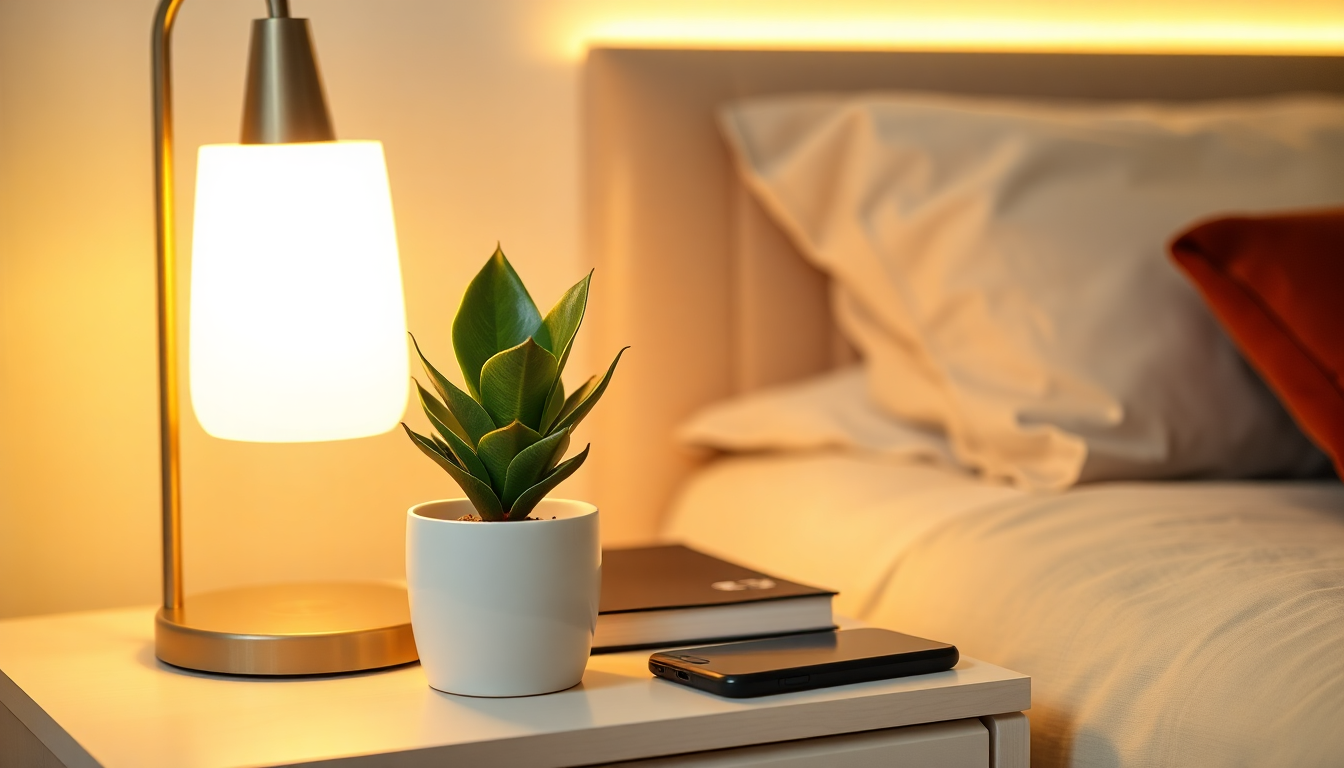
Bird’s Nest Hahnii is the best snake plant for bedroom nightstand placement. At 6 to 10 inches at full maturity in a 4-inch pot, it is the only snake plant variety that sits comfortably beside a lamp, phone charger, and book on a standard nightstand without crowding the surface. Its compact rosette shape does not lean toward the light source as dramatically as upright sword-leafed varieties, which reduces the rotation requirement in a bedside position where rotating the pot disrupts the setup. It handles 50 to 100 foot-candles from any window direction and requires watering only every 3 to 4 weeks in a bedroom environment, which suits the irregular care habits most people maintain for nightstand plants.
Scenario 4: Bright bedroom, south-facing window, shelf or windowsill
Moonshine is the best snake plant for bedroom shelf placement near a bright south-facing window. Its broad, silvery sage-green leaves require 200 or more foot-candles to maintain their luminous pale coloring, which south-facing bedroom windows reliably provide. On a floating shelf positioned 2 to 3 feet from the window, Moonshine creates a calm, architectural presence that suits the minimalist and Japandi bedroom aesthetics that have been popular in USA home design. At up to 2 feet at maturity, it suits mid-height shelf positions without reaching the ceiling or dominating the visual field of the room. Refer to the moonshine vs Laurentii snake plant guide for a direct comparison of both varieties across light conditions, bedroom placement options, and interior design suitability.
Scenario 5: Dark bedroom, no direct window, floor or dresser
Standard Dracaena trifasciata is the best snake plant for bedroom placement when natural light is genuinely limited. Its fully green leaves make it a good match for dim rooms, allowing it to maintain healthy function at 50 foot-candles or slightly below. It tolerates a dresser placed 8 feet from a north window, where light is dim but still present. If the room has no window at all, ordinary room lighting is usually not enough, so add a grow light on a timer (see the FAQ below). The best snake plant for bedroom situations with inadequate natural light is always the darkest-leafed variety, and standard trifasciata delivers exactly. Refer to the can snake plants live without sunlight guide for the full breakdown of artificial lighting solutions when a bedroom has no adequate natural light.
Scenario 6: Medium to large bedroom, any window, statement plant beside the bed
Zeylanica is the best snake plant for bedroom placement beside a bed as a medium-height statement plant. Its upright leaves with distinctive dark green and silver-grey horizontal striping grow to 2.5 to 3 feet, which positions the top of the plant approximately at eye level when you are lying in bed. This height creates a sense of a natural canopy or organic boundary beside the sleeping area without the leaves reaching over the bed. It handles a wide range of light conditions from 50 to 300 foot-candles, which means it performs in almost any bedroom window direction without requiring the grower to precisely optimize its position.
Comparison Table: Best Snake Plant for Bedroom by Scenario
| Bedroom Scenario | Best Variety | Max Height | Min Light Needed | Placement Position |
| Large room, south or east window | Laurentii | 3 to 4 feet | 150 FC | Floor corner, 3 to 6 feet from window |
| Medium room, east or north window | Futura Robusta | 16 to 20 inches | 75 FC | Dresser top |
| Small room or nightstand, any window | Bird’s Nest Hahnii | 6 to 10 inches | 50 FC | Nightstand, desk, small shelf |
| Bright room, south window, shelf | Moonshine | Up to 2 feet | 200 FC | Floating shelf, 2 to 3 feet from window |
| Dark room, no direct window | Standard trifasciata | 2 to 3 feet | 50 FC | Floor or dresser under room lighting |
| Any room, bedside statement plant | Zeylanica | 2.5 to 3 feet | 50 to 300 FC | Floor beside bed, dresser |
Bedroom-Specific Care Adjustments
The bedroom environment creates specific care conditions that differ from main living areas where most plant care advice is written.
Bedrooms typically have lower airflow than living rooms or kitchens. Lower airflow means soil dries more slowly after watering because less air movement accelerates evaporation from the soil surface. A snake plant that needs watering every 2 to 3 weeks in a bright main living area may need watering every 4 to 6 weeks in a less-ventilated bedroom. Always check soil moisture at 2 to 3 inches depth before watering rather than relying on a schedule. Following the snake plant watering schedule adapted for lower-airflow bedroom conditions prevents the overwatering that causes root rot in bedroom-placed plants.
Bedrooms with heating vents or baseboard heaters create dry microclimates that can cause brown leaf tips over the winter months. Keep any snake plant at least 3 feet from any heating vent or baseboard element. This is particularly important for nightstand plants placed near exterior walls where baseboard heaters commonly run.
Bedroom temperatures typically fluctuate more overnight than main living areas, particularly in rooms with single-pane windows or poor insulation. If your bedroom drops below 55 degrees Fahrenheit overnight near exterior windows in winter, move the plant at least 12 inches from the glass. Cold glass contact causes the water-soaked brown patches that damage leaves permanently. Refer to the snake plant winter care guide for the complete seasonal temperature and placement adjustments that apply to snake plants in bedrooms during colder months.
A Note on Air Purification Claims
Snake plant is frequently marketed as an air purifier and the bedroom is its most common suggested placement specifically because of this claim. The factual basis is worth being clear about so you can set accurate expectations.
NASA’s 1989 Clean Air Study did show that Dracaena trifasciata removes benzene, formaldehyde, xylene, and trichloroethylene from sealed chamber conditions. Subsequent research published in Environmental Science and Technology in 2019 noted that the volume of plants needed to produce meaningful air purification in a typical room is much larger than a single specimen. A single snake plant contributes to air quality improvement but does not dramatically transform the air in a bedroom the way the marketing claims suggest.
Snake plants open their stomata at night, but the gas exchange from one plant is far too small to noticeably change the air in a bedroom. Treat it as an interesting quirk, not a health benefit.
The honest position is that the best snake plant for bedroom placement earns its place primarily through aesthetic appeal, low maintenance requirements, and the practical benefits of a drought-tolerant upright plant that does not drop leaves or demand daily attention. The air quality benefits are a secondary bonus rather than the primary reason.
Frequently Asked Questions
What is the best snake plant for a bedroom? The best snake plant for bedroom placement depends on your room size and light. Laurentii is ideal for large bedrooms with bright windows in a floor corner. Futura Robusta suits medium bedrooms with a north or east window on a dresser. Bird’s Nest Hahnii is the best choice for nightstands and small rooms. Zeylanica works in almost any bedroom as a bedside statement plant due to its wide light tolerance.
Is a snake plant good in a bedroom? Yes. They tolerate infrequent watering, grow upright without wide floor spread, and keep their appearance in the lower light typical of most bedrooms. Their effect on air quality is small, so choose one for its looks and easy care.
Where should I put a snake plant in my bedroom? Placement depends on the variety. Tall varieties like Laurentii and Zeylanica belong in floor corners within 3 to 6 feet of the window. Medium varieties like Futura Robusta suit dresser tops. Compact varieties like Bird’s Nest Hahnii work well on nightstands. Keep all varieties at least 3 feet from heating vents and at least 12 inches from cold window glass in winter.
Can a snake plant survive in a bedroom with no window? A snake plant tolerates very low light at 50 foot-candles but declines in complete darkness over time. In a bedroom with no window, a full-spectrum LED grow light running 10 to 12 hours per day on a timer provides adequate light for standard trifasciata or Futura Robusta. Standard LED room lighting alone is typically insufficient for sustained snake plant health unless positioned very close to the light source.
Is a snake plant toxic if kept in a bedroom? Snake plants are toxic to cats and dogs if ingested. They contain saponins that cause oral irritation, vomiting, and drooling. For human adults and children the risk from incidental contact is very low. If pets sleep in your bedroom, place the snake plant in a position they cannot reach or choose a pet-safe alternative.
How big should a bedroom snake plant be? Match the plant size to your placement position. Nightstands suit varieties under 12 inches. Dresser tops work well with plants between 12 and 24 inches. Floor corners in large bedrooms handle plants up to 3 to 4 feet. An oversized plant in a small bedroom placement feels visually cramped and the leaves risk damage from regular contact with furniture or people.