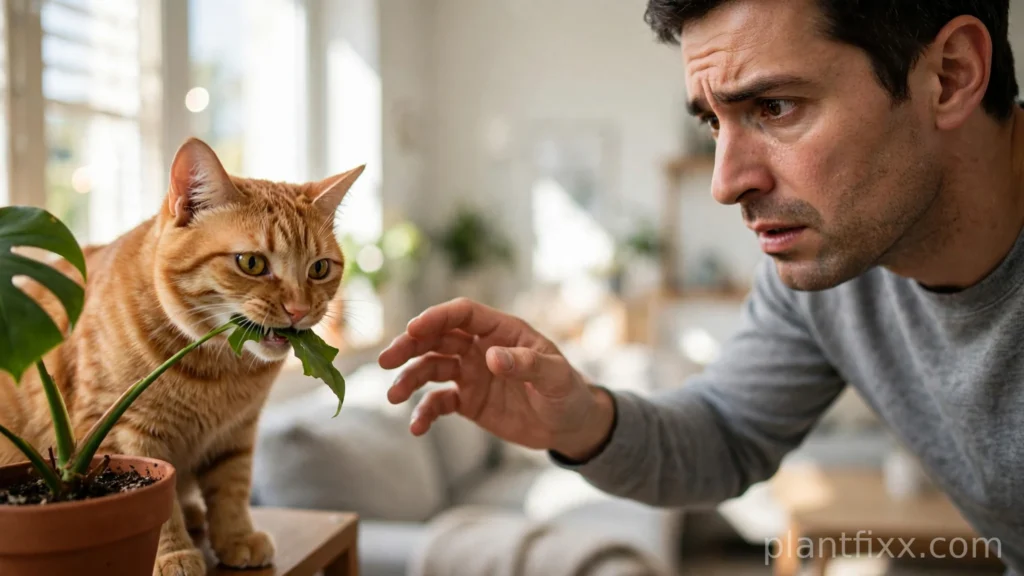
You walk into the living room and catch your cat mid-chew, a leaf hanging from its mouth. Your stomach drops, because you have no idea whether that plant is safe. If you are wondering what to do if your cat eats a toxic plant, this guide gives you the exact steps, in the order that matters.
Plant exposures are one of the most common reasons pet owners call animal poison control. The ASPCA ranks plants and fungi among the top pet toxins each year (Chewy’s vet-reviewed toxic plant guide). Most nibbles cause mild symptoms. The real danger is not knowing which plants are the true emergencies.
Below: the 7 steps for the first minutes, a severity guide for common houseplants, and the mistakes that make things worse. Read the steps now, so you are ready at 2 a.m.
Quick Answer: Remove the plant and any leaf bits from your cat’s mouth, take photos of the plant, note how much was eaten and when, then call your vet or the Pet Poison Helpline at 855-764-7661 right away. Never induce vomiting unless a vet tells you to, and treat any lily exposure as a true emergency.
Quick Take: Most houseplant nibbles are not life threatening, but the true emergencies hide among them. Lilies can cause kidney failure from a tiny bite, pollen on fur, or vase water. Calcium oxalate plants like pothos cause painful mouth irritation but usually pass on their own. Sago palm seeds can cause liver failure. Always secure the plant, gather the details, and call a professional before deciding whether to watch or go in.
One mistake many people make is searching for the plant’s name while the cat is still chewing. First move: get the leaf away from the cat. Owners who act in the first five minutes get better guidance than those who arrive an hour later with perfect notes.
Why the First Minutes Matter More Than the Diagnosis
Different plant toxins work on very different clocks. Calcium oxalate plants like pothos announce themselves within minutes through drooling and pawing at the mouth. But organ toxins play the long game: lily toxins can take 24 to 72 hours to show kidney damage, and sago palm toxins damage the liver over hours to days. Cats also clear many plant compounds poorly, because their livers lack some key enzymes. Never wait for symptoms. Decontamination works best in the first couple of hours.
The 7 Emergency Steps, In Order
Step 1: Move your cat away and clear its mouth
Get your cat away from the plant so it cannot take another bite. Wipe leaf bits out of its mouth with a soft cloth, not your bare fingers. Stay calm, because a frightened cat swallows faster and may bite.
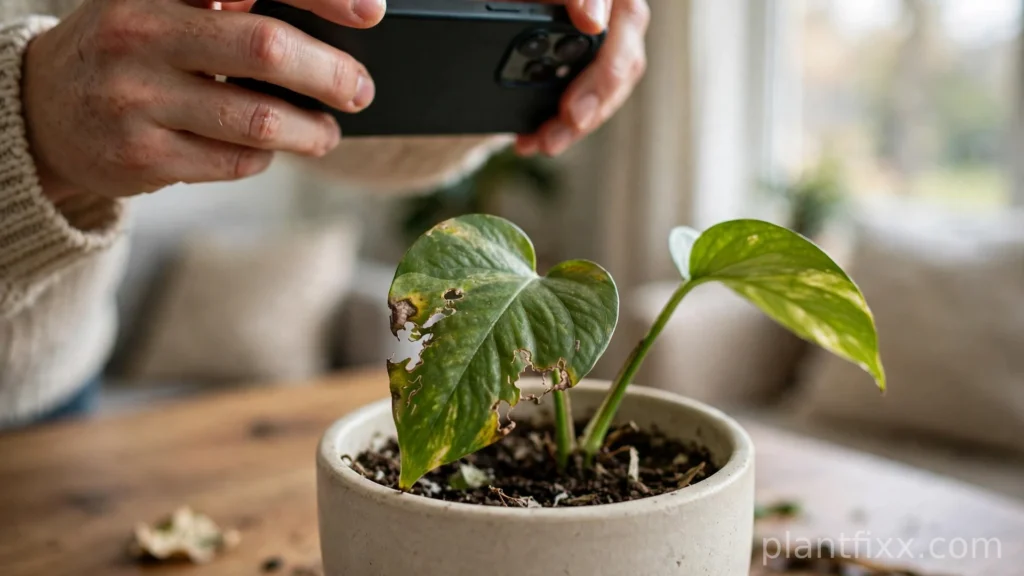
Step 2: Photograph the plant and keep a sample
Photograph the whole plant, a close-up of the leaf or flower, and the pot or nursery label. Bag a piece of the chewed plant in paper if safe. An accurate ID changes treatment.
Step 3: Write down the key details
Note the plant, which part was eaten, roughly how much, when it happened, and your cat’s weight, plus any symptoms and their start times.
Step 4: Call your vet or a poison hotline immediately
Call now, not after you finish reading. Save these 24/7 numbers in your phone today: the Pet Poison Helpline at 855-764-7661 (a consultation fee applies) and the ASPCA Animal Poison Control Center at 888-426-4435 (a fee may apply). Both can calculate risk by your cat’s weight and speak directly with your vet. After hours, call an emergency clinic.
Step 5: Do not make your cat vomit
Never induce vomiting at home unless a veterinarian specifically tells you to. Some toxins burn more on the way back up, and cats with neurologic signs can inhale vomit into their lungs. Let the hotline decide.
Step 6: Keep your cat calm and contained
Put your cat in a quiet room away from the plant. Stress raises heart rate and breathing rate, which can speed how fast a toxin circulates. Offer fresh water, but do not force drinking or offer food, milk, or home remedies unless the vet says so.
Step 7: Observe and report every symptom
Watch your cat for 24 to 72 hours, even if it seems fine. Note drooling, vomiting, diarrhea, lethargy, appetite and urination changes, and unusual behavior. Report each new symptom, because timing shows the toxin’s target.
Emergency or Wait and See? A Severity Guide
Not every chewed leaf is a crisis, but never guess the difference alone. When in doubt, call anyway.
| Plant | Toxin type | Typical symptoms | How urgent |
|---|---|---|---|
| True lilies (Easter, tiger, Asiatic, daylilies) | Kidney toxin | Vomiting, lethargy, kidney failure in 24-72h | ER immediately, any exposure |
| Sago palm | Liver toxin | Vomiting, diarrhea, jaundice, liver failure | ER immediately, any exposure |
| Oleander, foxglove, kalanchoe | Heart toxin | Vomiting, weakness, heart rhythm problems | ER immediately |
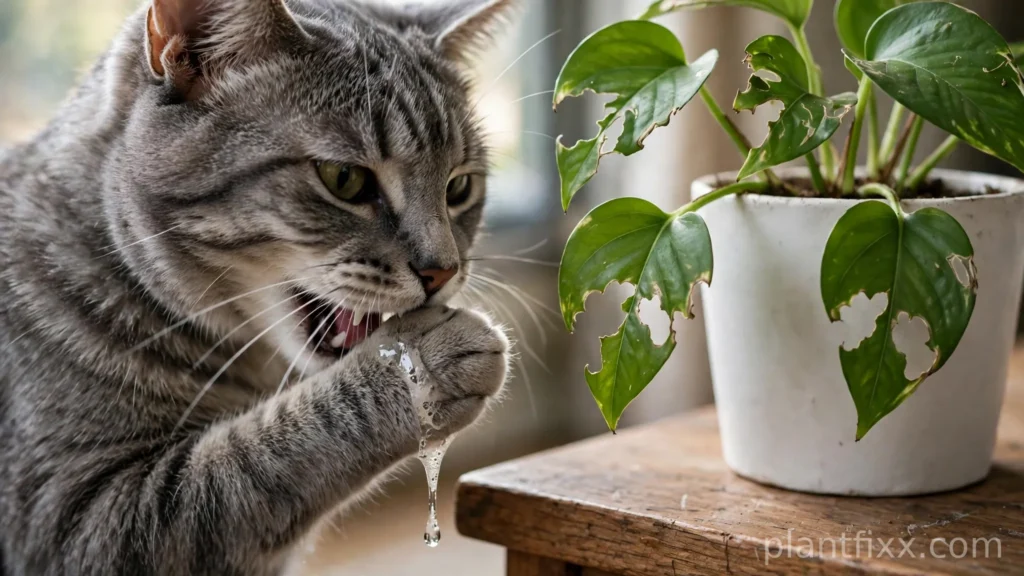
| Pothos, philodendron, dieffenbachia, peace lily, monstera | Mouth irritant | Drooling, pawing at mouth, oral pain | Call vet, usually self-limiting |
| Snake plant, ZZ plant, aloe vera, jade plant | Mild irritant | Vomiting, drooling, lethargy | Call vet, monitor closely |
Our site guides go deeper on individual plants: the snake plant toxicity guide covers symptoms and first aid, and the pothos plant toxicity symptoms article explains calcium oxalate irritation.
Symptoms That Need an ER Visit Right Now
Signs that show up in minutes to hours
Excessive drooling, pawing at the mouth, vomiting, diarrhea, and difficulty breathing or swallowing are the early warnings. Seizures, tremors, collapse, or pale gums are emergencies on their own. Do not wait to see if they pass. Drive to the ER vet and call ahead.
Signs that can hide for a day or more
Urination changes, ongoing lethargy, loss of appetite, and yellowing of the gums can appear 24 to 72 hours after the bite. This delayed pattern is classic for lily and sago palm poisoning. If your cat ate a lily two days ago and looks fine, it still needs bloodwork.
What the Vet Will Actually Do
Knowing what happens at the clinic helps you move faster. Treatment depends on the toxin, the amount, and how quickly care starts (Parker Center Animal Clinic’s emergency steps).
First comes decontamination if the window is still open: supervised vomiting or stomach washout in severe cases. Next is activated charcoal to bind toxin in the gut. IV fluids support the kidneys and flush some toxins faster, and targeted medications handle nausea, seizures, or heart problems. Bloodwork is tracked over 24 to 72 hours, and severe cases stay hospitalized. Early arrival matters: a cat brought in at hour two gets decontamination; at hour ten it gets damage control.
Mistakes That Make a Bad Situation Worse
The most common mistake is waiting for symptoms before calling, because with organ toxins that means arriving after the damage is done. The second is inducing vomiting at home, which can cause burns or aspiration. Third is assuming high shelves keep plants safe, since cats climb and jump anywhere. Fourth is ignoring pollen and vase water: with lilies, pollen groomed off fur or a drink from the vase is a meaningful exposure. Fifth is offering milk, oil, or home remedies, which delay real treatment.
After the Crisis: Make Your Home Safe for Good
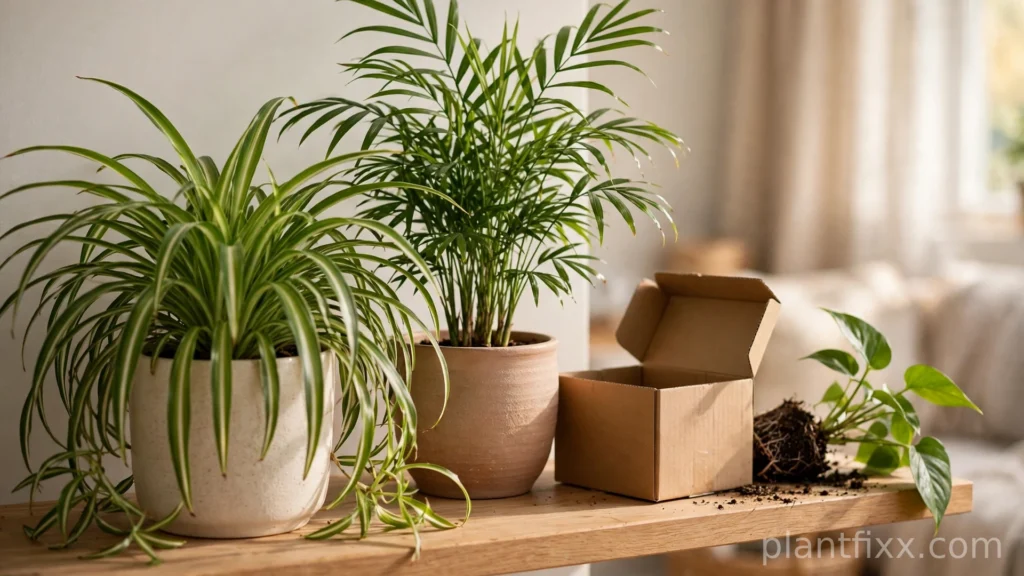
Once your cat is stable, audit your home. Check every plant against the ASPCA toxic plant database before buying anything new, and rehome the worst offenders instead of trusting high shelves. Swap in plants from our list of pet safe indoor plants for cats and dogs, starting with spider plants, a cat-safe classic.
Before your next plant purchase, run it through the Pet Safe Plant Checker tool to confirm it is safe. One more caution: gift bouquets often contain lilies mixed with safe flowers, and the pollen and vase water are just as dangerous as the petals, so keep arrangements out of cat rooms.
Frequently Asked Questions
My cat ate a toxic plant but seems fine. Should I still call the vet?
Yes. The most dangerous toxins, like those in lilies and sago palms, take 24 to 72 hours to show organ damage. Acting on suspected ingestion beats waiting.
How long does it take for a cat to show signs of plant poisoning?
Mouth and stomach irritants cause drooling, pawing, and vomiting within minutes to hours. Kidney damage from lilies and liver damage from sago palms can hide for 24 to 72 hours.
Should I make my cat vomit after eating a toxic plant?
No, unless a veterinarian instructs you to. Some toxins burn worse coming back up, and cats with neurologic symptoms can aspirate vomit. Call the vet first.
Can a cat survive lily poisoning?
Survival depends almost entirely on speed. Cats that get aggressive treatment, including IV fluids and decontamination, within the first few hours have the best chance. Any lily exposure, even pollen on fur, is an emergency.
Will my cat be okay after eating a pothos leaf?
Usually yes. Pothos causes drooling, mouth pain, and sometimes vomiting, but severe poisoning is rare. Still call your vet, especially if the amount was large or swallowing looks hard.
What should I tell the vet when I call?
The plant name, which part was eaten, how much, when, your cat’s weight, and symptom start times. Your photos will do if the name is unknown.
Are dried flowers and gift bouquets dangerous too?
Yes. Bouquets often mix lilies with safe flowers, and the pollen and vase water carry the same toxins as the petals. Keep all floral arrangements out of rooms your cat can access.
Act Fast and Stay Calm
A chewed leaf is frightening, but a calm and fast response changes the outcome. Clear the mouth, gather five details, and call a professional in the first minutes, before symptoms make the decision for you.
Save the two poison hotline numbers in your phone today. Then walk through your home with our list of pet safe indoor plants for cats and dogs and replace the riskiest plants.
—
Secondary keywords used: cat ate poisonous plant, my cat ate a toxic plant, cat ate houseplant what to do, signs of plant poisoning in cats, plant poisoning in cats treatment, lily poisoning in cats, pet poison helpline for cats, toxic houseplants for cats
Semantic keywords used: calcium oxalate crystals, activated charcoal, kidney failure, liver toxicity, cardiac glycosides, decontamination, oral irritation, drooling, pawing at the mouth, emergency vet, poison control, vase water, pollen toxicity, organ damage, bloodwork
Pingback: Is a ZZ Plant Toxic to Cats and Dogs? The Honest Answer