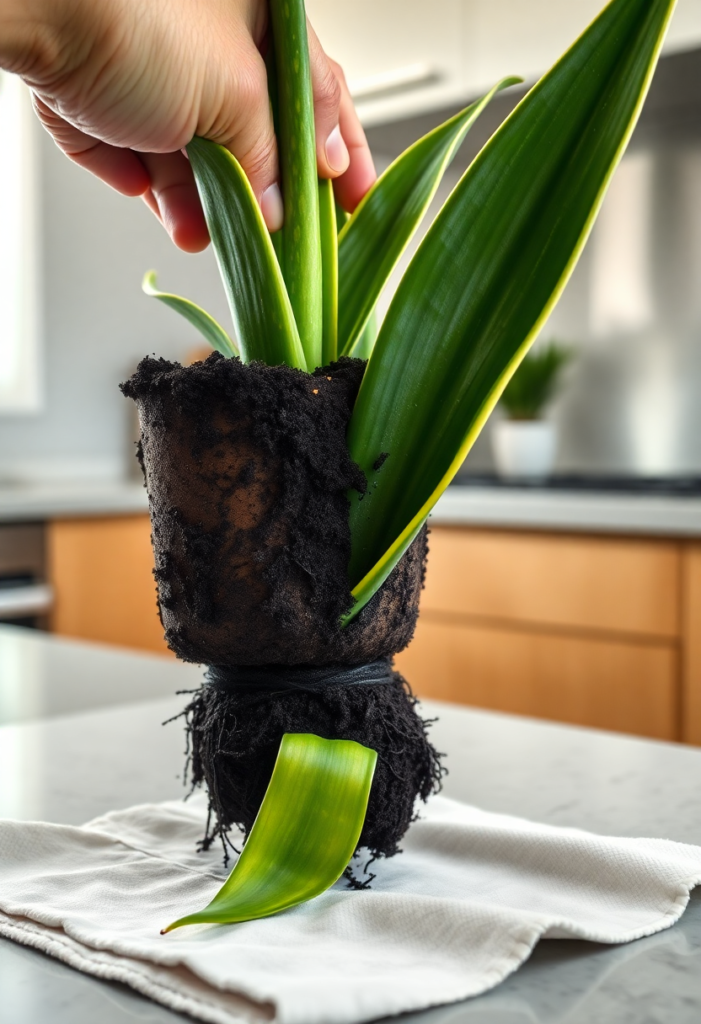
Snake plant overwatering ranks as the single biggest reason healthy plants decline fast, and most owners miss the early signs until the leaves turn soft and yellow. A snake plant naturally stores water in its thick leaves and survives long stretches without a drink, so extra watering does more harm than good almost every time. Catching the pattern early, understanding why it happens, and knowing the right rescue steps saves far more plants than starting over with a new one.
Quick Answer
Snake plant overwatering shows up as soft, mushy, yellow leaves near the base, along with soil staying wet for days after watering. Stop watering immediately, check the roots for rot, and let the soil dry out completely before adding water again. Catching this within the first week usually saves the plant.
Quick Take
Overwatering in a snake plant starts quietly, with soil staying damp longer than usual and lower leaves losing their firm texture. Left alone, it progresses into root rot, leaf collapse, and a sour smell coming from the pot. Prevention comes down to watering by soil dryness instead of a fixed schedule, using a pot with drainage holes, and choosing a fast-draining soil mix. Rescue starts with pulling the plant from its pot, trimming any soft or dark roots, and repotting into dry soil right away.
In practice, snake plant overwatering reveals itself through touch long before the eye catches it. A leaf still holding firm shape but sitting in soil damp two inches down flags early stage stress, while a leaf collapsing under light pressure points to advanced root damage already underway. Botanically, Dracaena trifasciata evolved in arid, well-drained soil across West Africa, so its root system lacks the tolerance for prolonged moisture found in plants from wetter climates. This mismatch between native growing conditions and typical indoor watering habits explains why overwatering causes more snake plant deaths than any other single factor.
How Snake Plant Overwatering Affects the Root System
This problem starves the roots of oxygen rather than drowning the leaves directly. Soil packed with water pushes air pockets out of the mix, and roots sitting in these conditions for days lose the ability to absorb oxygen through their surface. Within a week or two, the outer root tissue starts breaking down, and this damage spreads upward into the base of the leaves, showing up as softness and yellowing long before the plant looks obviously sick. Understanding this process explains why the soil looking dry on top means little if the lower layers stay soaked.
Fine roots, the thin white threads which anchor a healthy plant and pull in most of its water, die off first because they carry the least stored energy of any part of the root system. Once those fine roots collapse, the thicker anchor roots take on stress they never evolved to handle alone, and decline speeds up fast. A plant might look stable above the soil line for a week or two while this damage builds underneath, which is exactly why waiting for visible leaf symptoms before checking the roots often delays the rescue process past the point it works best.
Early Signs of Snake Plant Overwatering
The first signs show up in texture before color, long before any yellowing appears. Leaves lose their usual rigid, upright feel and start bending or drooping slightly near the base, even though the plant still looks green. Soil stays visibly damp two or three days past the point it should feel dry, and lifting the pot feels noticeably heavier than usual. A slight give near the base of the lowest leaves, felt with two fingers, often shows up days before any color change reaches the surface.
Catching the problem at this stage, before yellowing starts, gives the roots the best chance at full recovery with nothing more than a pause in watering. University of Minnesota Extension notes that too much care often turns into overwatering with houseplants, and recommends checking the top few inches of soil before watering instead of following a fixed schedule.
Advanced Signs and Root Rot Warning Signs
Once the problem progresses past the early stage, the signs become harder to miss. Lower leaves turn soft, mushy, and yellow, sometimes with a translucent, water-soaked appearance near the base. A sour or rotten smell rising from the soil signals active root decay underneath. Leaves sometimes detach from the base with almost no resistance, pulling away in your hand instead of requiring scissors. The center of the plant, where new growth normally emerges, sometimes turns dark or feels soft at the core, which points to decay reaching the crown rather than staying limited to the outer roots. At this stage, unpotting the plant and inspecting the roots directly becomes necessary rather than optional.
Once the problem progresses past the early stage, the signs become harder to miss. Clemson HGIC’s factsheet on houseplant diseases warns that overwatering creates wet conditions that encourage root rot pathogens, and recommends limiting watering to when the soil is dry at least two inches down from the surface. A sour smell and multiple collapsing leaves at this point mean the roots are already decaying and need immediate inspection.
Common Causes of Snake Plant Overwatering
A few habits drive most cases of snake plant overwatering. Watering on a fixed weekly or biweekly schedule instead of checking the soil ranks as the top cause, since a snake plant’s water needs shift with the season, light level, and pot size. Pots without drainage holes trap water against the roots no matter how carefully you water. Oversized pots hold more soil than the roots use, keeping the excess wet for far longer than a properly sized pot would. Heavy, moisture-retentive potting mixes, especially ones without perlite or coarse sand, also slow drainage enough to create the same problem even with correct watering habits. For guidance on getting the mix right, the best soil mix for snake plants guide breaks down the exact ratio which keeps roots dry between waterings.
How to Prevent Snake Plant Overwatering
Prevention starts with watering by touch instead of the calendar. Push a finger two inches into the soil before every watering, and skip it entirely if the soil still feels cool or damp. Choose a pot with drainage holes every time, and avoid sizing up more than one or two inches beyond the current root ball. A fast-draining mix, built from regular potting soil, perlite, and coarse sand, moves excess water away from the roots quickly after every watering.
Season and location change how often watering makes sense, so a fixed number rarely works long term. A plant near a bright window in summer dries out faster and drinks more often, while the same plant in a dim corner during winter goes weeks longer between waterings without any stress. Pairing the soil check with a quick look at the calendar season, rather than relying on either one alone, keeps watering matched to what the plant needs during the current season. For a full season-by-season breakdown, the snake plant watering schedule guide covers exactly how often to water through the year.
Rescue Steps: How to Save an Overwatered Snake Plant
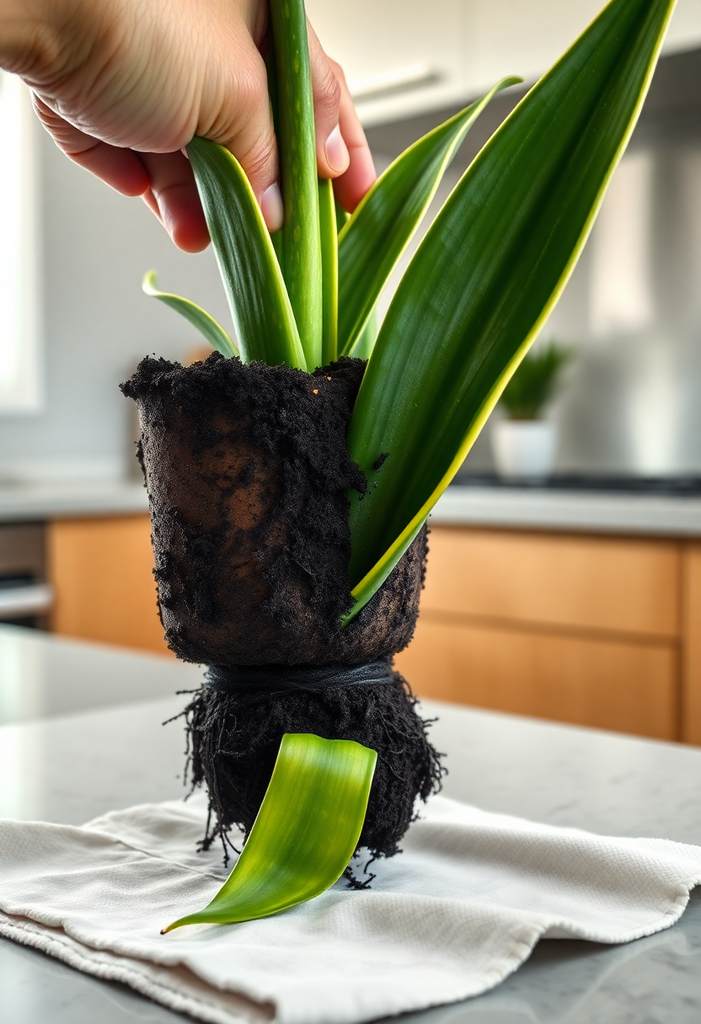
Saving a plant at this stage starts with stopping all watering immediately, regardless of how dry the topsoil looks. Remove the plant from its pot and examine the root system under bright light. Trim away any roots which feel soft, dark, or mushy, using clean, sharp scissors, and leave only the firm, pale roots intact. Rinse the remaining roots gently under lukewarm water to clear away old, wet soil before repotting, since leftover soggy soil carries the same risk which caused the damage in the first place.
Let the remaining root ball air dry for a few hours before repotting into fresh, dry soil in a clean pot with drainage holes. Skip watering completely for at least a week after repotting, then resume watering only once the top two inches of soil feel fully dry. If several leaves came away completely during the process, save the healthiest ones. Snake plant leaves root in water or moist soil over several weeks and grow into new plants, which turns a rescue attempt into a second chance even when the original root ball doesn’t make it. For the full repotting process, the how to repot a snake plant guide walks through each step in detail. If root damage runs extensive, the snake plant root rot guide covers propagating healthy leaf cuttings as a backup plan.
Snake Plant Overwatering vs Underwatering: Quick Comparison
| Sign | Overwatering | Underwatering |
| Leaf texture | Soft, mushy | Dry, wrinkled |
| Leaf color | Yellow with soft base | Yellow to brown at tips |
| Soil condition | Stays wet for days | Fully dry, pulling from pot edges |
| Smell | Sour or rotten | No unusual smell |
| Pot weight | Heavier than usual | Lighter than usual |
| Root appearance | Dark, soft, mushy | Dry, shriveled but firm |
Warning Signs Needing Immediate Action
A few signs mean snake plant overwatering needs same-day attention rather than a wait-and-see approach. A strong sour smell from the soil almost always confirms active root rot underneath. Multiple leaves collapsing at once, rather than a single older leaf, points to widespread root damage instead of natural aging. Leaves separating from the base with little resistance signal advanced decay running through the root system. In any of these cases, skip the wait-and-check step and move straight into the rescue process.
Final Takeaway
Snake plant overwatering causes more plant loss than every other care mistake combined, yet it stays one of the easiest problems to prevent once you understand the pattern. Watch the soil, not the calendar, and act the moment leaves lose their firm texture. Catching the problem early keeps the fix simple, while catching it late still leaves the door open for recovery through root trimming and careful repotting. Most plants bounce back fully within a month once the roots regain healthy tissue and watering habits change for good.
FAQ
What does snake plant overwatering look like? This shows up as soft, mushy, yellow leaves near the base, soil staying wet for days after watering, and sometimes a sour smell coming from the pot.
How long does it take a snake plant to recover from overwatering? Mild cases recover within one to two weeks once you stop watering and let the soil dry out. Cases involving root rot take three to four weeks after trimming and repotting.
Should I repot a snake plant right away after overwatering? Only if the roots show soft, dark tissue or a sour smell. Mild overwatering without root damage recovers with a pause in watering alone, without repotting.
Does an overwatered snake plant smell bad? Yes, a sour or rotten smell from the soil stands out as one of the clearest signs of active root rot underneath, and it calls for immediate action.
Does overwatering kill a snake plant permanently? Severe, prolonged overwatering destroys the root system beyond recovery in some cases, though healthy leaf cuttings often propagate new plants even after the original root ball fails.
What is the fastest way to fix an overwatered snake plant? Stop watering completely, check the roots for rot, trim any soft tissue, and repot into dry, fast-draining soil right away for the fastest recovery.