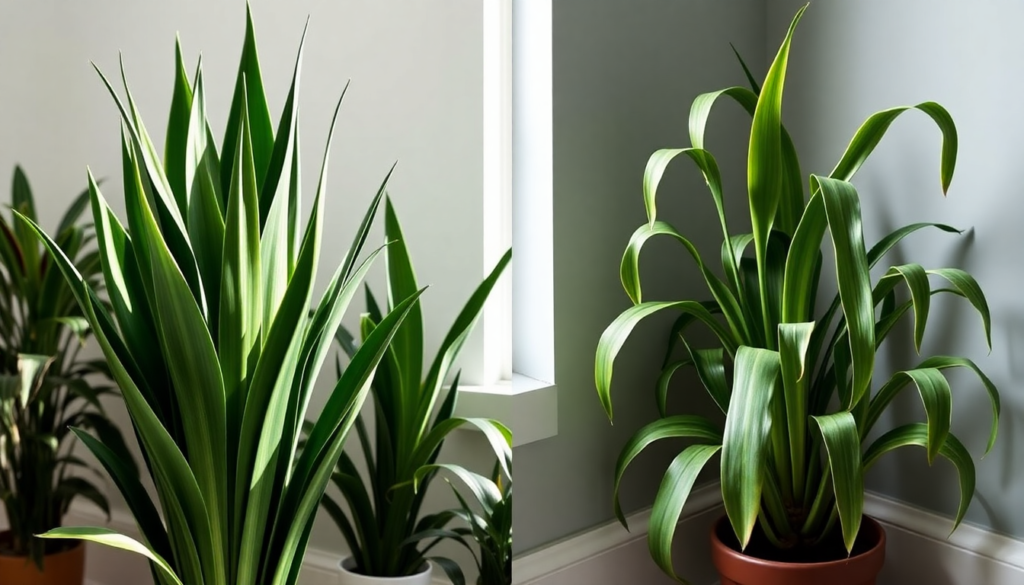
Is your snake plant healthy but refusing to grow taller? In most cases, the problem comes down to insufficient light, watering issues, poor drainage, an unsuitable pot, or simply choosing a variety that naturally stays short.
Snake plants are naturally slow-growing, so a few months without visible height gain does not always mean something is wrong. But if your plant has produced little or no new growth during the active growing season, it is worth checking its growing conditions.
I’ve seen this happen with snake plants that looked perfectly healthy on the surface. They were alive and holding their leaves, but something was preventing new growth. Once the underlying problem was corrected, the plants had a much better chance of producing new leaves.
In this guide, I’ll walk you through 7 common reasons your snake plant may not be growing tall, how to identify each problem, and what you can do to encourage healthier new growth.
First: Understand How Fast Snake Plants Actually Grow
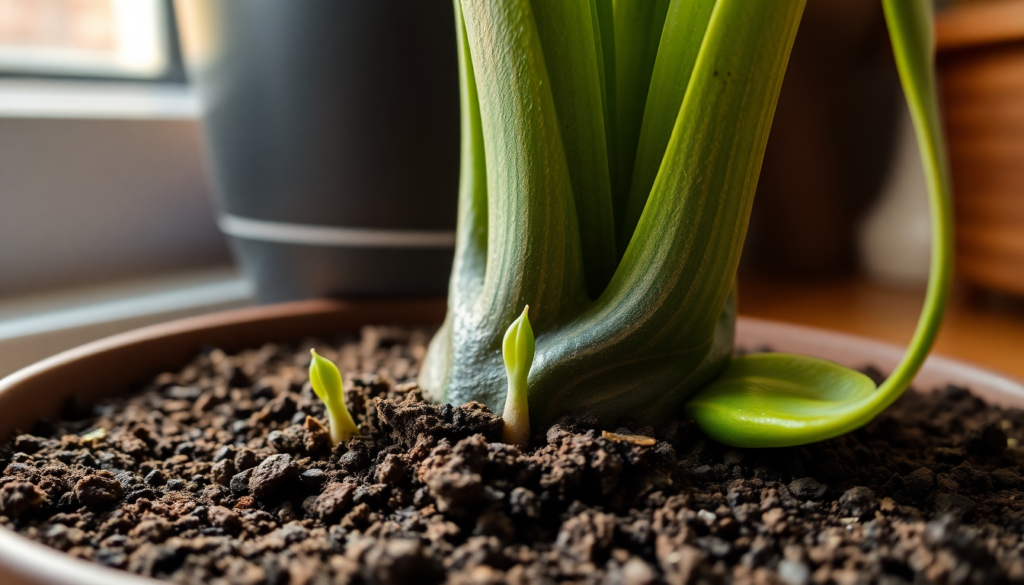
Before diagnosing the problem, set the right benchmark. Snake plants are naturally slow growers. Under ideal indoor conditions, a healthy Sansevieria grows 1 to 3 inches per month during the growing season (spring and summer). In low light, that drops to almost nothing.
During winter dormancy, snake plants stop growing entirely. This is normal. The plant is conserving energy, not dying.
If your snake plant is not growing tall in winter, wait. If it is not growing tall in spring or summer despite good care, one of the 7 reasons below is the cause.
Also check your variety. Not every snake plant grows tall.
- Sansevieria trifasciata Laurentii reaches 2 to 4 feet tall.
- Sansevieria trifasciata Hahnii (Bird’s Nest) maxes out at 6 to 10 inches. It will never grow tall. That is its nature.
- Sansevieria zeylanica reaches 2.5 to 3 feet.
- Sansevieria cylindrica grows up to 7 feet under ideal conditions.
- Sansevieria ehrenbergii Banana is a true dwarf reaching only 6 inches.
If you have a dwarf variety, asking why is my snake plant not growing tall is the wrong question. It is growing exactly as designed.
Reason 1: Insufficient Light (The Most Common Cause)
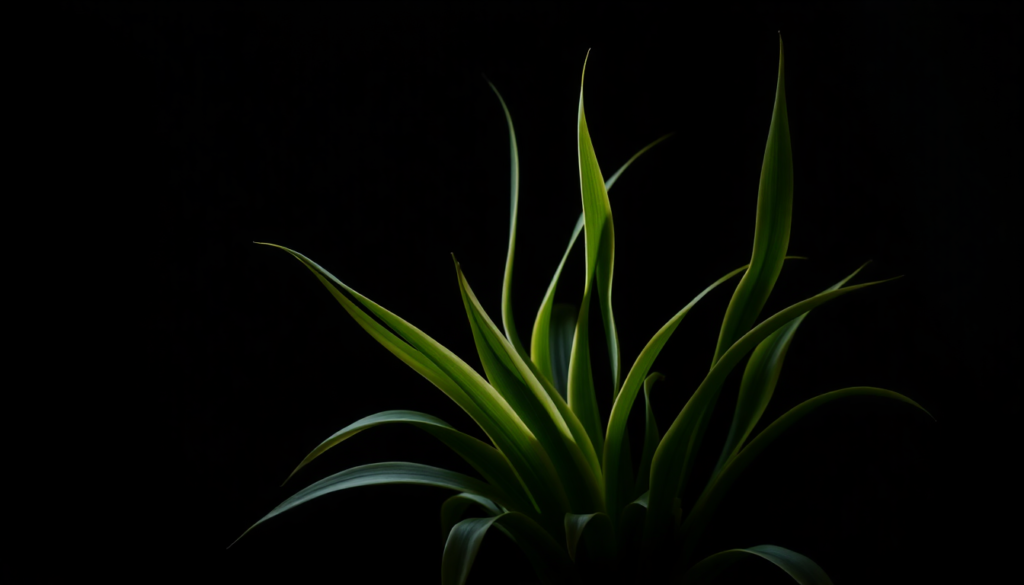
Snake plants tolerate low light. They do not thrive in it.
This is the most misunderstood fact in snake plant care. “Low light tolerant” means the plant survives without dying. It does not mean it grows well, stands upright, or produces new tall leaves.
In very low light, your Sansevieria does three things:
- It stops producing new growth entirely.
- Existing leaves become etiolated (long, weak, and spindly) as they stretch toward the light source.
- Leaves lose their firmness and begin to droop or lean, which is the snake plant floppy problem most owners notice first.
What counts as enough light: Your snake plant needs 4 to 6 hours of bright indirect light per day. An east-facing window is ideal. A south-facing window with a sheer curtain works well. A north-facing room with no window access is not enough.
The fix: Move your snake plant within 3 to 5 feet of a bright window. Do not place it in direct afternoon sun; direct sunlight burns the leaf tips and causes brown, crispy edges.
Rotate the pot 90 degrees every time you water to ensure even upright growth on all sides. Snake plants that receive consistent light from one direction grow crooked, which is the snake plant not growing straight problem.
Signs your snake plant needs more light:
- New leaves emerge pale green or yellowish instead of deep green.
- Leaves lean heavily toward the window.
- The plant has not produced a single new leaf in 3 or more months during spring or summer.
- Leaves feel soft and rubbery rather than firm and stiff.
Reason 2: Wrong Pot Size (Rootbound or Too Big)
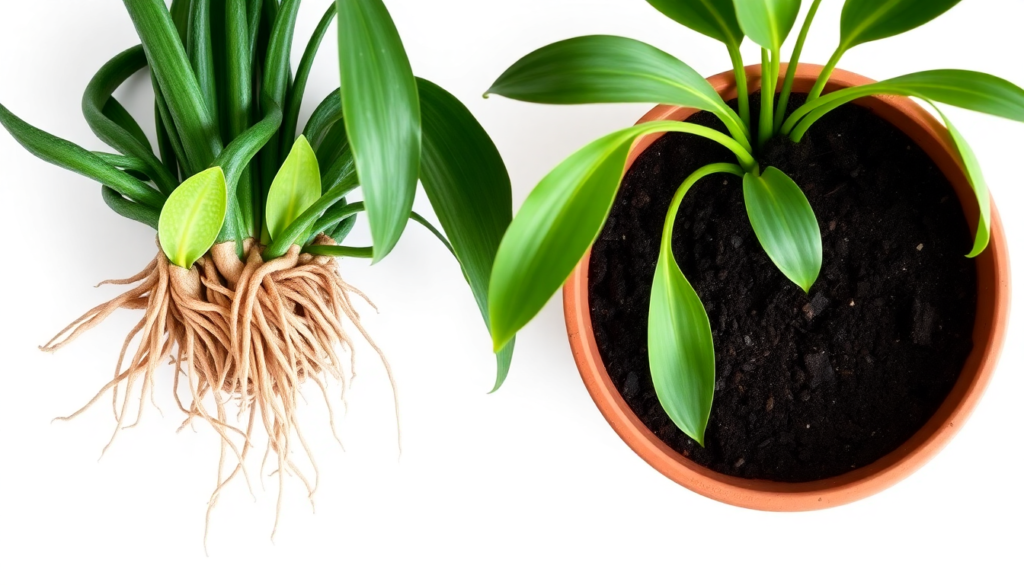
Pot size directly controls whether your snake plant grows tall or stalls completely. Both extremes (too small and too big) cause growth problems, but for opposite reasons.
Too small (rootbound): When roots fill the entire pot, they have no room to expand. A rootbound snake plant redirects all its energy into root management rather than new leaf production. Growth stops.
The plant looks healthy from the outside but produces nothing new. You will also see roots pushing through drainage holes or circling the soil surface.
Repotting a rootbound Sansevieria into a pot 1 to 2 inches larger in diameter kick-starts new growth quickly. Many growers report new leaves appearing within 4 to 6 weeks after repotting.
Do snake plants need repotting? Yes, every 2 to 3 years, or sooner if roots are visibly crowded.
Too big (oversized pot): An oversized pot holds too much soil. Too much soil holds too much moisture. Wet soil around snake plant roots for extended periods leads to root rot, which shuts down all growth.
If your snake plant is not growing and the pot looks too large for the plant, this is likely your problem.
The fix: Always move up only one pot size at a time. A 6-inch pot goes to an 8-inch pot, not a 12-inch pot. Use a pot with drainage holes. Terracotta pots work best because they are porous and help soil dry faster, which protects the shallow Sansevieria root system.
Reason 3: Overwatering and Root Rot
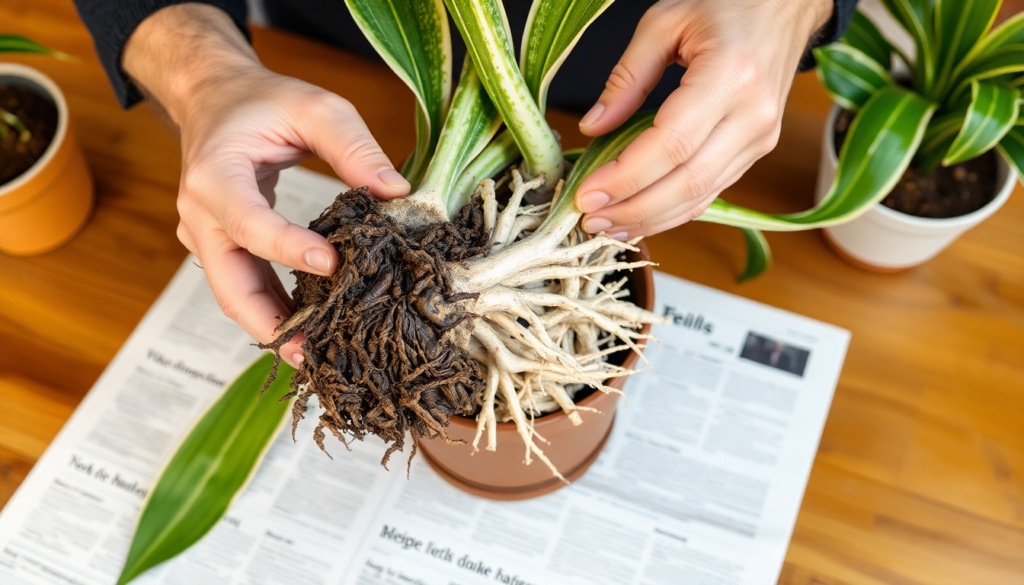
Overwatering does not just cause root rot. It causes growth stalling long before any visible rot appears.
When snake plant roots sit in wet soil, they cannot absorb oxygen. Without oxygen, root function slows down. Nutrient uptake drops. New leaf production stops. The plant is technically alive but completely stuck.
By the time you see mushy yellow leaves at the base, soft drooping stems, or a sour smell from the soil, root rot is already advanced. The growth problem started weeks or months earlier.
Signs of overwatering in Sansevieria:
- Soil stays wet more than 48 hours after watering.
- Leaves turn yellow or translucent, especially at the base.
- The snake plant won’t stand up, leaves collapse and droop.
- Snake plant leaves falling off at the base when touched.
- Dark, mushy roots when you unpot the plant.
The fix: Let the soil dry out completely before watering again. During spring and summer, this typically means watering every 2 to 4 weeks. In fall and winter, stretch that to every 4 to 6 weeks or longer.
Always stick your finger 2 to 3 inches into the soil before watering. If it feels even slightly moist, wait.
Do snake plants need to be misted? No. Misting adds unnecessary surface moisture that can promote fungal disease and does nothing for growth. Snake plants get all the humidity they need from normal indoor air.
If root rot has already set in, unpot the plant, cut off all brown mushy roots with clean scissors, let the healthy roots air dry for a few hours, then repot in fresh well-draining soil mix.
Reason 4: Poor Soil and Drainage
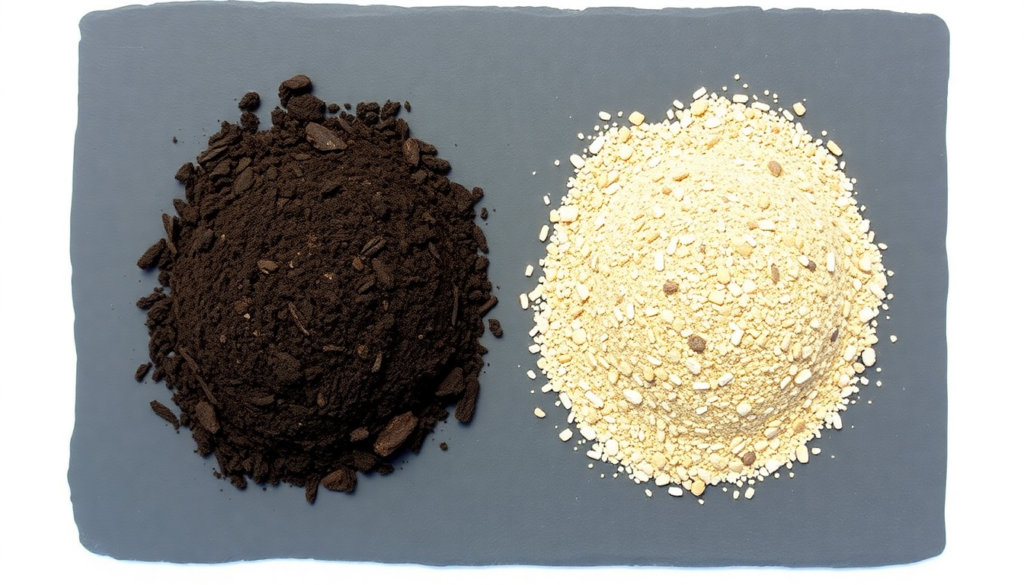
Even perfect watering habits fail if the soil is wrong. Dense, water-retentive potting mix keeps snake plant roots wet long enough to suppress growth and trigger root decay, even when you water infrequently.
Snake plants need fast-draining, well-aerated soil that dries completely within 24 to 48 hours of watering. Standard potting mix does not do this. It is designed for tropical houseplants that want consistent moisture.
The right soil mix for snake plant growth:
- 40% all-purpose potting mix
- 30% perlite
- 20% coarse sand
- 10% pine bark fines
This combination drains fast, provides oxygen to the rhizomes and root system, and dries at the right speed for a succulent houseplant.
The fix: If your snake plant has been in the same dense potting soil for more than 2 years, repot with a proper fast-draining mix.
Amended cactus mix with 20 to 30% extra perlite also works well. Avoid garden soil entirely in containers. It compacts, restricts drainage, and cuts off root oxygenation.
Reason 5: Not Enough Nutrients
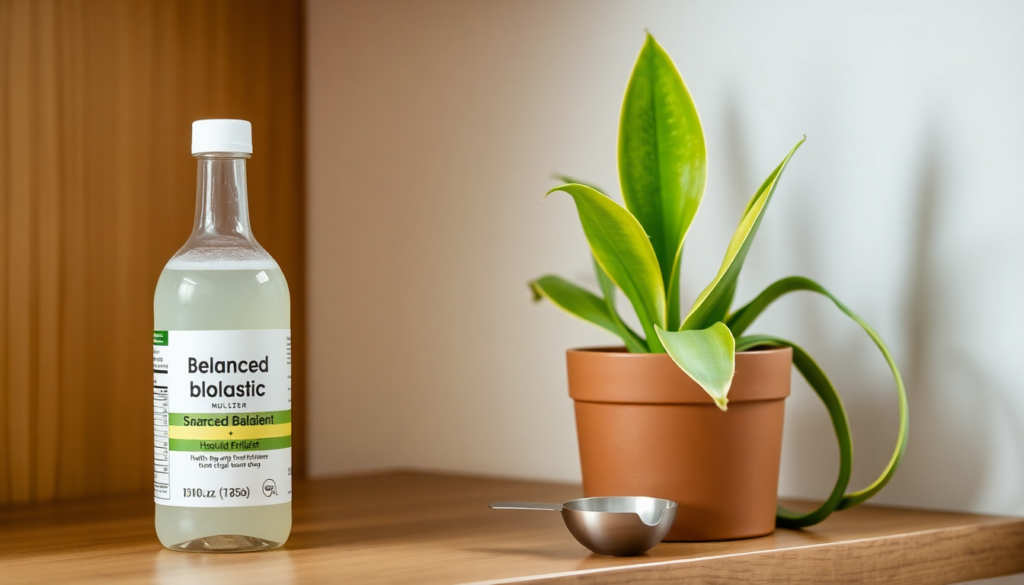
Snake plants are light feeders. They do not need heavy fertilizing. But they do need some nutrients to produce new tall leaves, especially in the growing season.
If your Sansevieria has been in the same soil for 2 or more years with no fertilizer, the available nutrients are depleted. The plant enters a maintenance mode. It stays alive but stops producing new growth.
Nutrient deficiency in snake plants does not look dramatic. You will not see obvious yellowing like in other houseplants. The plant simply stops growing. New leaves stop emerging. Existing leaves stop gaining height. Growth rate for snake plant drops to zero.
The fix: Fertilize once a month during spring and summer only. Use a balanced liquid fertilizer (10-10-10 NPK) at half the recommended strength. Never fertilize in fall or winter when the plant is dormant.
Excess fertilizer during dormancy builds up as salt deposits in the soil and burns the root system, making growth problems worse.
Worm castings mixed into the top inch of soil during spring repotting provide a gentle, slow-release nutrient source that works well for Sansevieria care.
Reason 6: Temperature Stress and Cold Drafts
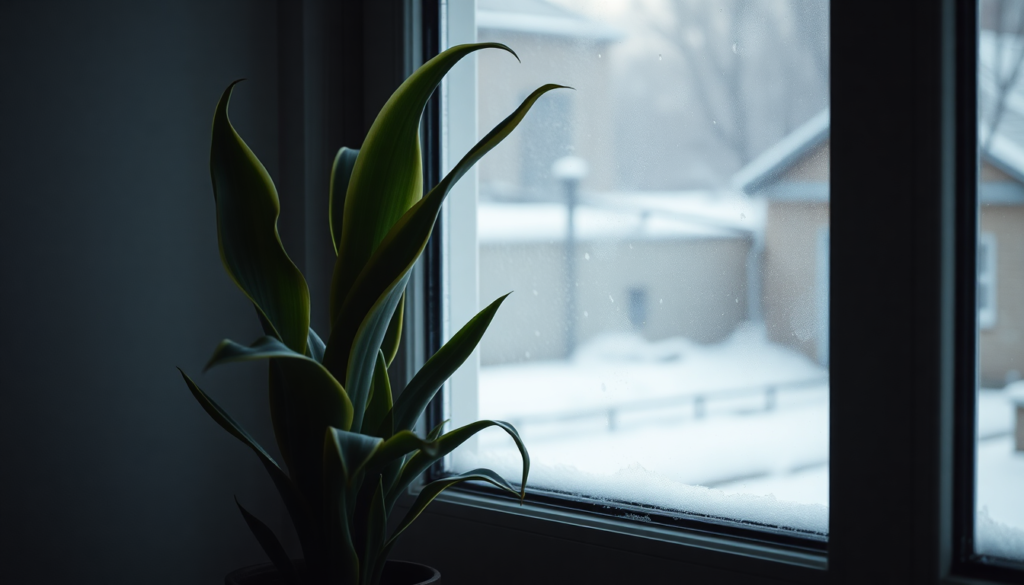
Snake plants are tropical plants. They originate from West Africa where temperatures are consistently warm. They handle a range of indoor conditions but they have firm limits.
Below 50 degrees Fahrenheit (10 degrees Celsius), snake plant growth slows to a near-complete stop. Below 40 degrees Fahrenheit, cold damage begins. Leaves develop soft, water-soaked patches. Root function shuts down. The plant enters stress, not dormancy.
Common sources of cold stress in indoor snake plant care:
- Placement near a drafty window or exterior door in winter.
- Air conditioning vents blowing directly onto the plant.
- Being placed outside or on a balcony when night temperatures drop.
- Sitting on a cold tile floor in an unheated room.
The fix: Keep your snake plant in temperatures between 60 and 80 degrees Fahrenheit year-round. Move it away from windows in winter or insulate the gap between the pot and the cold glass.
Never place it near an AC vent that blows cold air directly onto the leaves. If you move your snake plant outdoors in summer, bring it back inside before night temperatures drop below 55 degrees Fahrenheit.
Reason 7: Wrong Variety or Natural Growth Ceiling
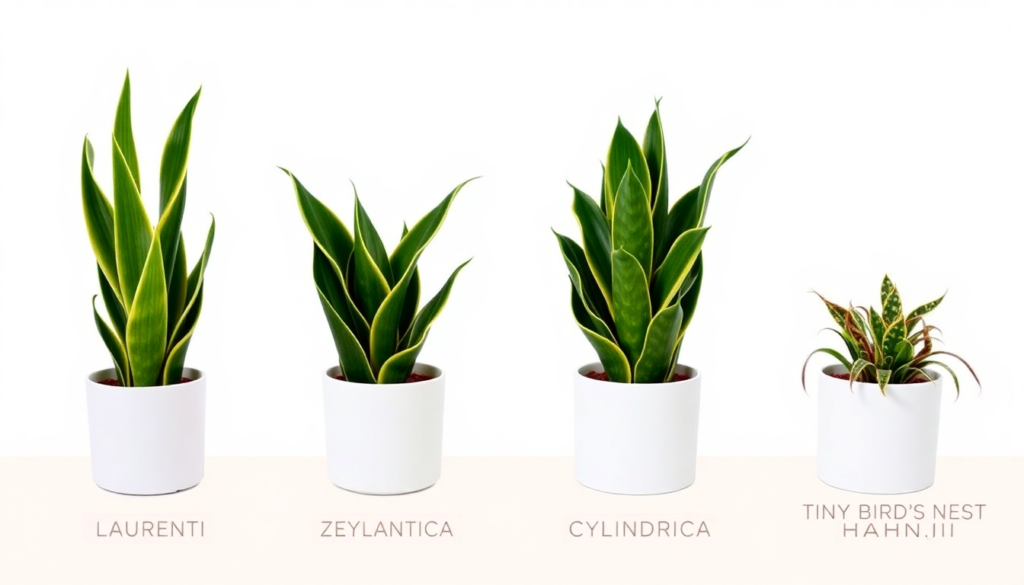
This reason gets overlooked almost every time. If you have tried everything above and your snake plant is still not growing tall, the plant itself may be incapable of growing tall.
Over 70 Sansevieria varieties exist. Many are dwarf or compact varieties that look similar to standard snake plants when young. As they mature, they stop at their natural maximum height.
Height comparison by variety:
| Variety | Max Indoor Height |
| Sansevieria trifasciata Laurentii | 2 to 4 feet |
| Sansevieria zeylanica | 2.5 to 3 feet |
| Sansevieria cylindrica | Up to 7 feet |
| Sansevieria trifasciata Hahnii | 6 to 10 inches |
| Sansevieria ehrenbergii Banana | 6 inches |
| Sansevieria Cleopatra | 11 inches |
| Twisted Sister | 12 to 15 inches |
| Kenya Hyacinth | Up to 16 inches |
If you bought an unlabeled snake plant at a grocery store or nursery, you may have a dwarf variety. Check the leaf shape, the rosette pattern, and the overall growth habit. Bird’s Nest varieties grow in tight circular rosettes and never produce tall upright leaves.
The fix: Identify your variety before investing more effort into troubleshooting. If you have a tall-growing variety like Laurentii and it is still small after a year of good care, go back through Reasons 1 to 6. If you have a dwarf variety, shift your goal from height to overall plant health and fullness.
How to Get Your Snake Plant to Grow Faster: 5 Practical Steps
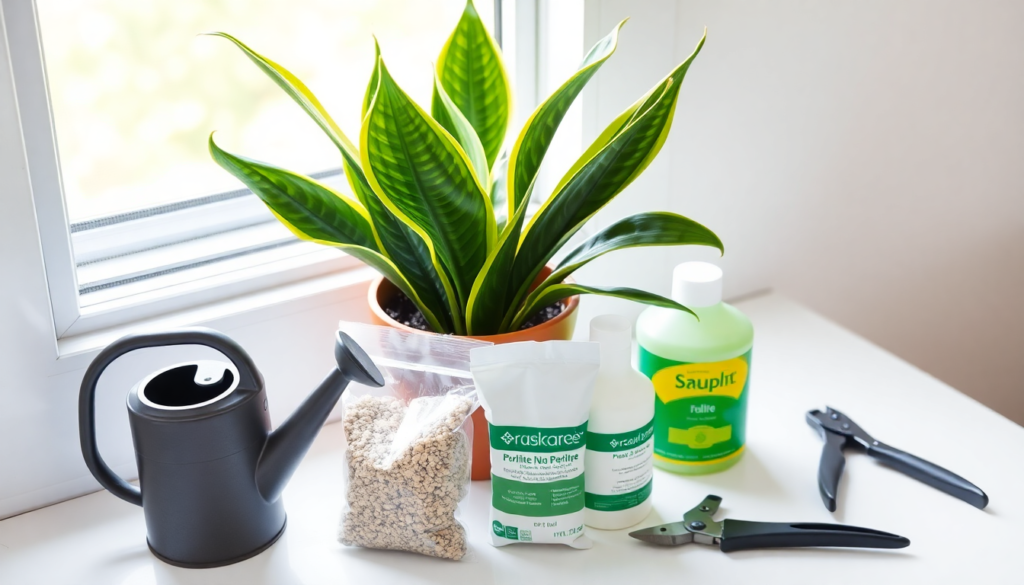
Once you identify and fix your specific reason, use these steps to accelerate growth rate for snake plant:
1. Position near a bright window. Bright indirect light for 4 to 6 hours daily is the single biggest driver of snake plant growth speed. An east or south-facing window is ideal.
2. Use the right pot and soil. Terracotta pot with drainage holes, filled with fast-draining soil mix. This combination prevents overwatering damage and improves root oxygenation.
3. Fertilize consistently during growing season. One application per month in spring and summer. Half-strength balanced liquid fertilizer. Stop completely in fall and winter.
4. Divide overcrowded plants. If your snake plant has many pups crowded into one pot, the mother plant focuses energy on the colony rather than upward growth. Separate pups into individual pots and the mother plant typically resumes tall leaf production within a few weeks.
5. Maintain consistent warm temperatures. Keep the plant in a stable 65 to 80 degree Fahrenheit environment year-round. Avoid temperature swings, cold drafts, and AC blasts.
Fixing Floppy, Drooping, and Leaning Leaves
A snake plant that won’t stand up has a different problem than one that simply is not growing taller. Floppy leaves and drooping growth are usually caused by one of four issues:
Overwatering or root rot: The most common cause of snake plant leaves falling off and collapsing. Roots cannot support the plant. Fix: Reduce watering, check for rot, repot if needed.
Not enough light: In very low light, leaves etiolate and grow long and weak. They lean and eventually flop. Fix: Move to brighter indirect light. A floppy leaf from light deficiency does not straighten after the fact. New leaves will grow correctly once light improves.
Oversized pot: Too much wet soil weakens roots and the plant cannot anchor itself. Fix: Repot into a correctly sized container.
Leaf weight and natural growth habit: Tall outer leaves on mature Sansevieria plants sometimes lean outward naturally as they grow. This is not a disease. Tie them gently together with soft jute string or use a bamboo stake for temporary support while the plant establishes itself.
Do not stake a plant permanently and call it fixed. Staking hides the problem. The plant stays weak inside. Fix the cause first.
Do Snake Plants Bloom?
Yes. Snake plants bloom, but rarely indoors and never on demand.
Dracaena trifasciata produces a tall flower spike from the center of the plant, typically at night. The flowers are small, white, tubular, and fragrant. Blooming almost always happens when the plant is slightly rootbound and exposed to a period of cooler temperatures or drought stress.
Most indoor snake plants never bloom because conditions are too stable and comfortable. Outdoor Sansevieria in zones 9 to 12 bloom more regularly.
If your plant blooms, do not cut the spike immediately. Let it finish its cycle. After blooming, the snake plant does not die (unlike some succulents). It continues growing normally. The flower stalk dries up on its own and can be cut off at the base once it is fully dry.
Can Snake Plants Survive in Low Light?
Yes. They survive. They do not thrive.
A snake plant in low light (defined as less than 100 foot-candles, typical of a dim room far from windows) will maintain its existing leaves for months or even years without dying. But it will not produce new growth. It will not grow tall. And existing leaves will gradually weaken and lean.
For real snake plant growth, you need at least 300 to 500 foot-candles of indirect light. Near a bright window without direct sun exposure is the target.
If natural light is not available, a full-spectrum grow light placed 12 to 18 inches above the plant for 10 to 12 hours per day produces results nearly equivalent to a bright window. Many indoor growers use this approach in offices and rooms without adequate natural light.
Signs Your Snake Plant Is Finally Growing Again
After making the right fixes, watch for these positive indicators:
- A small, tight, pointed new leaf emerging from the soil or from between existing leaves. This is a new pup or a new growth point.
- Existing leaves gaining height gradually. Measure the tallest leaf weekly to track progress.
- Leaves feel firm and stiff when touched, not soft or rubbery.
- Deep green color returns to previously pale or yellowing leaves.
- The plant stands upright without leaning. The snake plant not growing straight problem resolves once light and root health improve.
Snake plant growth is slow by nature. Do not expect dramatic height gains week to week. Give the plant one full growing season (April through September) with corrected care before reassessing.
Frequently Asked Questions
Why is my snake plant not growing?
The most common causes are insufficient light, overwatering, a rootbound pot, or nutrient depletion. Start with light and watering before addressing anything else. These two factors account for the majority of Sansevieria growth problems.
How fast do snake plants grow?
Under ideal conditions (bright indirect light, correct watering, growing season temperatures), snake plants grow 1 to 3 inches per month during spring and summer. In low light or during winter dormancy, growth drops to zero. Indoor snake plants grow significantly slower than outdoor Sansevieria in warm climates.
How do you get a snake plant to grow fast?
Position it within 3 to 5 feet of a bright east or south-facing window. Use fast-draining soil in a terracotta pot. Fertilize monthly at half strength during spring and summer. Separate crowded pups so the mother plant focuses energy on upward growth. Keep temperatures consistently between 65 and 80 degrees Fahrenheit.
How do you care for a snake plant?
Water only when the top 2 to 3 inches of soil are completely dry. Provide 4 to 6 hours of bright indirect light daily. Use well-draining soil and a pot with drainage holes. Fertilize during the growing season only. Repot every 2 to 3 years. Keep temperatures above 55 degrees Fahrenheit.
Do snake plants need repotting? Yes, every 2 to 3 years. When a Sansevieria becomes rootbound, growth stalls. Moving to a pot 1 to 2 inches larger stimulates new growth quickly. Never jump more than one pot size at a time.
Do snake plants need to be misted? No. Snake plants store water in their leaves and tolerate low humidity well. Misting adds surface moisture that promotes fungal issues and does nothing to support growth. Skip the misting entirely.
Why are my snake plant leaves falling off? Leaves that detach easily at the base indicate overwatering and likely root rot. The base of the leaf becomes mushy and loses structural integrity. Unpot the plant, inspect the roots, remove any rot, and repot in dry, fast-draining soil.
Why won’t my snake plant stand up?
Floppy or drooping leaves result from one of four causes: overwatering damage, insufficient light causing weak etiolated growth, an oversized pot, or natural leaf weight on mature outer leaves. Identify the cause and fix it rather than staking the leaves permanently.
Can snake plants survive in low light?
Yes, for extended periods. But they will not grow tall in low light. They will not produce new leaves in low light. And existing leaves will gradually weaken. Bright indirect light is the target for real growth.
Do snake plants bloom?
Yes, but rarely indoors. Blooming typically happens when the plant is slightly rootbound and exposed to mild stress from drought or cooler temperatures. The flower spike is tall, white, and fragrant. It does not harm the plant.
The one rule that covers everything: A snake plant that is not growing tall is not suffering from one dramatic problem. It is suffering from one or two small conditions that have been off for a long time. Fix the light. Fix the watering. Fix the pot. Growth follows.