
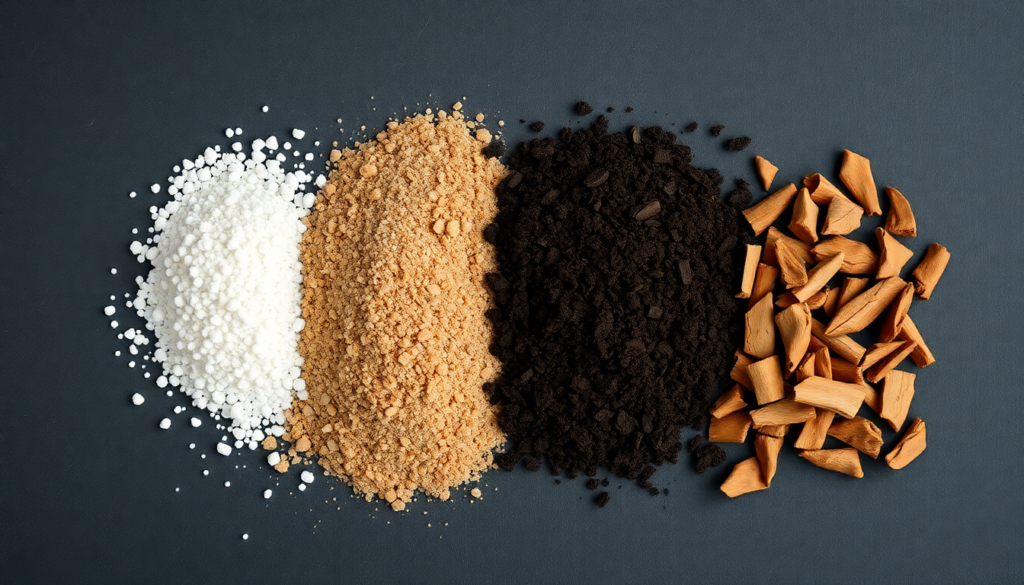
Snake plants die from one thing. Wrong soil.
These plants tolerate drought, low light, and neglect. But in wet, dense soil? Roots begin rotting within 2 weeks. By the time you notice, the plant is already compromised from the inside.
This guide tells you exactly what the best soil mix for snake plants is, why every ingredient matters, and how to approach indoor pots, outdoor beds, containers, and propagation differently.
First, Understand What Snake Plants Need From Soil
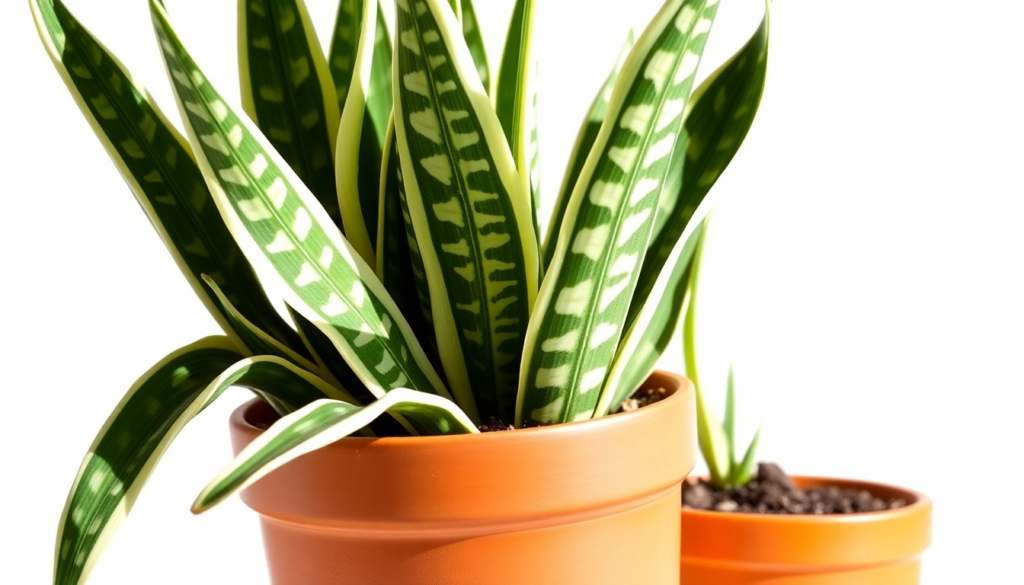
Snake plants (Dracaena trifasciata) originate from West Africa. The soil there is rocky, gritty, and fast-draining. Rain comes and moves through immediately. Water never pools.
At home, if you use dense potting mix, you are creating an environment that is the exact opposite of this plant’s natural habitat.
Your soil must do three things:
- Drain fast. Water should exit the pot within seconds of watering.
- Dry quickly. The mix should feel dry within 24 to 48 hours after watering.
- Allow root breathing. Compact soil blocks oxygen. Without oxygen, roots fail even when dry.
The ideal pH range is 6.0 to 7.0. This keeps nutrients available and lets roots absorb them properly.
The Biggest Mistake Most People Make
Using regular potting mix straight from the bag.
Standard potting mix is designed for tropical plants that like moisture. It retains water, dries slowly, and compacts over time. For snake plants, that combination is deadly.
90% of snake plant deaths come from overwatering and poor drainage. Overwatering does not only happen from watering too often. Wrong soil causes it too, even if you water just once a month.
If your soil still feels wet 48 hours after watering, your plant is already at risk.
Best Soil Mix for Snake Plants: The DIY Recipe
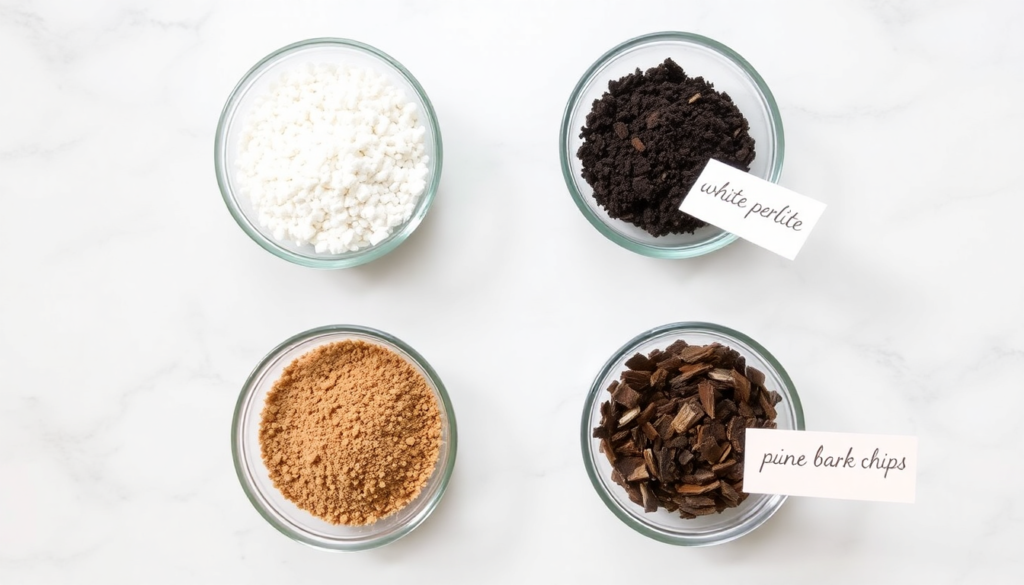
This is the mix professional growers and experienced hobbyists use. It works for indoor pots, outdoor containers, and raised beds.
Standard Snake Plant Soil Mix
- 40% All-purpose potting mix
- 30% Perlite
- 20% Coarse sand
- 10% Pine bark fines
Combine all dry ingredients in a large container. Mix thoroughly. Test drainage: add a small amount of water and confirm it flows freely within 5 seconds. If it does not, add more perlite.
The Squeeze Test: Grab a handful and squeeze hard. Open your hand. Good snake plant soil crumbles apart immediately. If it holds a firm ball shape, moisture retention is too high. Add more perlite.
Why Every Ingredient Earns Its Place
All-Purpose Potting Mix (40%)
This is your base. It provides organic matter, holds some nutrients, and gives roots something to anchor in. Never use garden soil or topsoil. They compact in pots and suffocate roots. Espoma, FoxFarm Happy Frog, or any peat-based or coco coir-based mix works well.
Perlite (30%)
Perlite is volcanic glass expanded by heat. It holds zero water, never compacts, and keeps air pockets open around roots. It is the single most important amendment in this mix. Do not substitute vermiculite. Vermiculite holds moisture and works against you here.
Coarse Sand (20%)
Use horticultural sand or builder’s sand. Never fine beach sand. Fine sand fills air pockets and makes drainage worse, not better. Coarse sand adds weight to prevent top-heavy plants from tipping, improves drainage, and mimics the rocky, gritty soils snake plants grow in naturally.
Pine Bark Fines (10%)
This is optional but worth adding. Pine bark fines are small pieces of aged bark, commonly sold for orchid mixes. They resist compaction over time, improve aeration, and extend how long the mix stays structurally sound before it breaks down.
Pre-Made Options Worth Buying
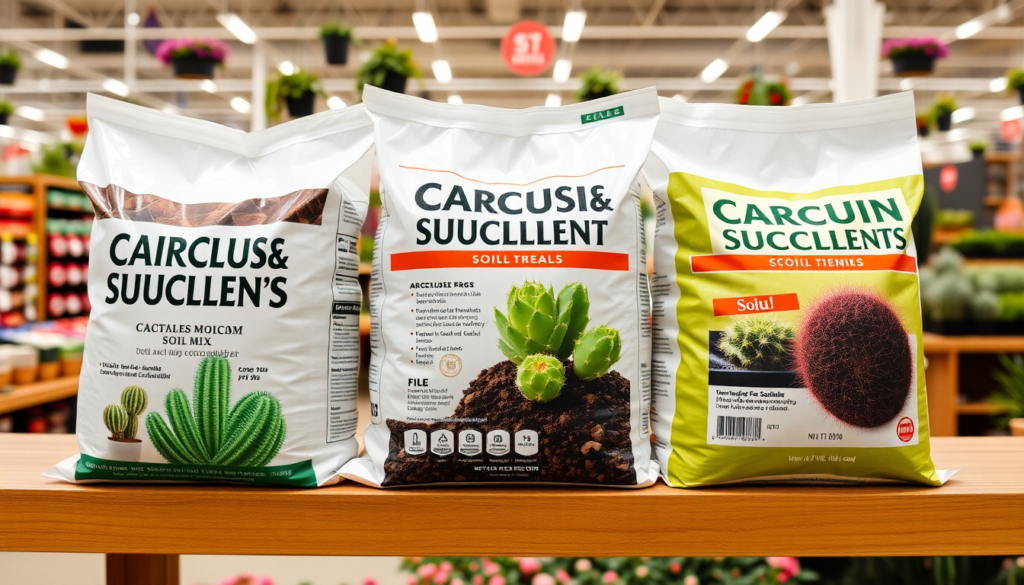
You do not have to mix from scratch. These pre-made products work well for snake plants, though most still benefit from adding 20 to 30% extra perlite.
Miracle-Gro Cactus, Palm and Citrus Mix Good drainage. Add 20% perlite. Contains fertilizer so skip feeding for 3 months after potting.
Bonsai Jack Succulent and Cactus Mix Excellent drainage. Ready to use straight from the bag. Very fast-draining so water slightly more frequently. Best for experienced growers.
Espoma Organic Cactus Mix Good drainage. Add 20% perlite. Organic formula with no synthetic fertilizer. Good for long-term potting.
Standard Potting Mix (any brand) Poor drainage alone. Always add 40% perlite plus coarse sand before using. Never use it straight from the bag for snake plants.
Best Soil Mix for Snake Plants Indoors
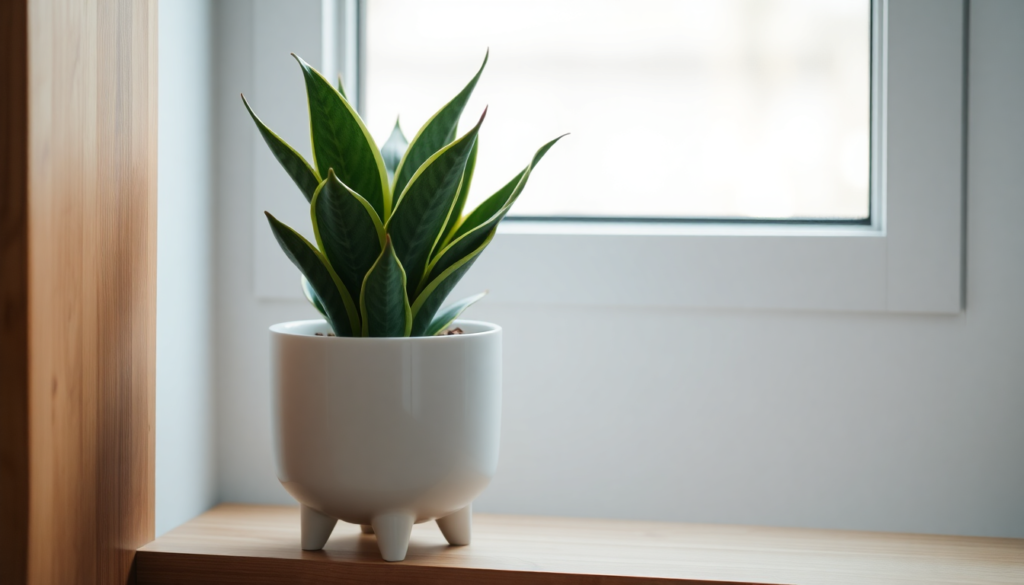
Indoor snake plants face one main problem: soil that stays wet too long because there is no sunlight, wind, or airflow to help it dry.
Your indoor mix needs to be more aggressive with drainage than an outdoor mix.
- Use the standard recipe above with no modifications.
- Always pot in a container with at least one drainage hole. Two holes are better.
- Avoid terracotta in very dry homes. Terracotta wicks moisture fast and the soil dries too quickly in low-humidity environments.
- Ceramic or plastic pots with drainage holes hold moisture slightly longer, which works well in dry indoor conditions.
- Never add a gravel layer at the bottom of the pot. This does not improve drainage. It creates a perched water table that keeps roots wetter for longer.
In winter, indoor snake plants grow slowly or stop completely. The same soil dries out more slowly because the plant uses less water. Reduce watering frequency. Do not change the soil mix.
Best Soil Mix for Snake Plants Outdoors
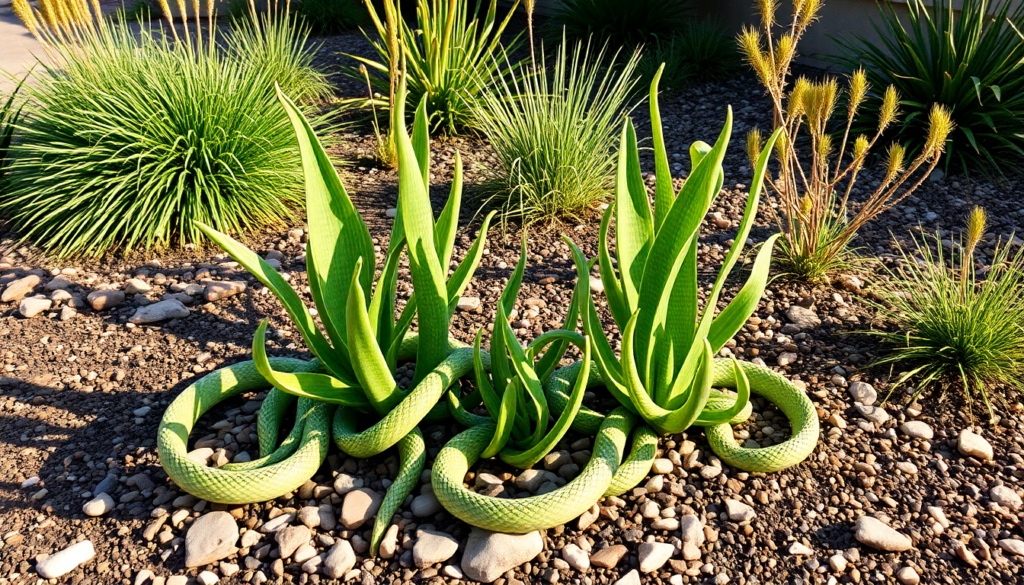
Outdoor snake plants (in USDA zones 9 to 12, or as summer patio plants elsewhere) face different conditions. Rain adds uncontrolled moisture. Temperatures vary. Outdoor soil also compacts more over time from rain pressure.
In Pots and Containers Outdoors
Use the same fast-draining mix as indoors. Elevate pots on pot feet so drainage holes stay clear. In climates with heavy rainfall, move pots under a covered area during extended wet periods.
In the Ground or Raised Beds
Your native soil needs significant amendment:
- Dig a hole at least twice the size of the root ball.
- Mix 50% native soil with 30% coarse sand and 20% perlite or small gravel.
- Mound the planting site slightly so water runs away from the crown of the plant.
- In clay-heavy soil, increase sand to 40% and add 10% pine bark to prevent compaction.
Soil for Snake Plants in Pots: Pot Material Changes Everything
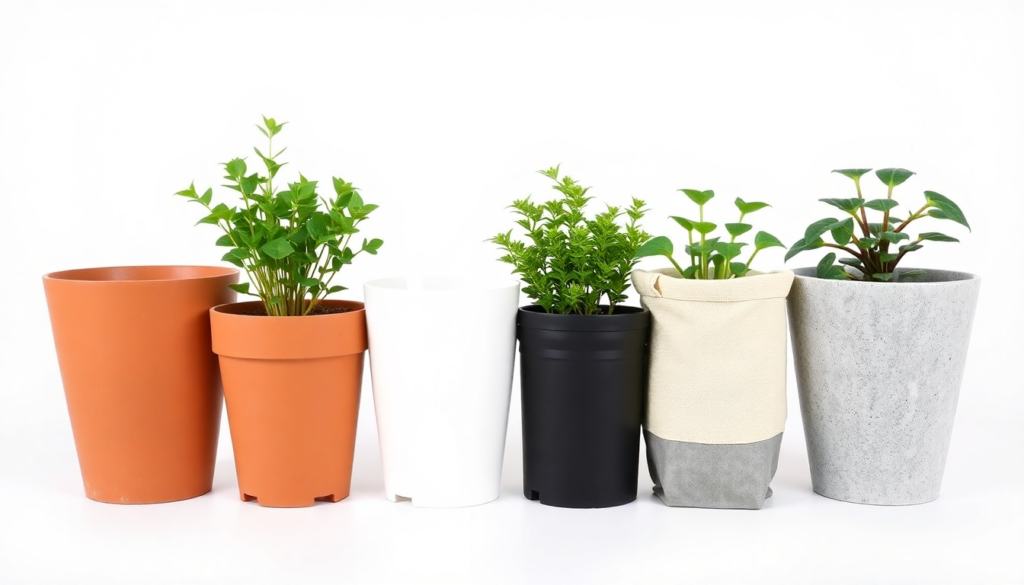
The pot you choose changes how your soil performs. Adjust your mix based on the container material.
Terracotta: Wicks water fast and dries quickly. Reduce perlite by 10% to prevent the mix from drying too fast.
Ceramic (glazed): Holds moisture longer than terracotta. Use the standard recipe and water less frequently.
Plastic: Holds moisture the longest. Increase perlite by 10%. Very easy to overwater in plastic.
Fabric grow bags: Air-prunes roots and dries fast. Reduce perlite by 10%. Excellent for long-term root health.
Concrete or stone: Stays cool, moderate drying rate. Use the standard recipe. Monitor closely in cold weather.
Soil Mix for Snake Plant Seeds and Propagation
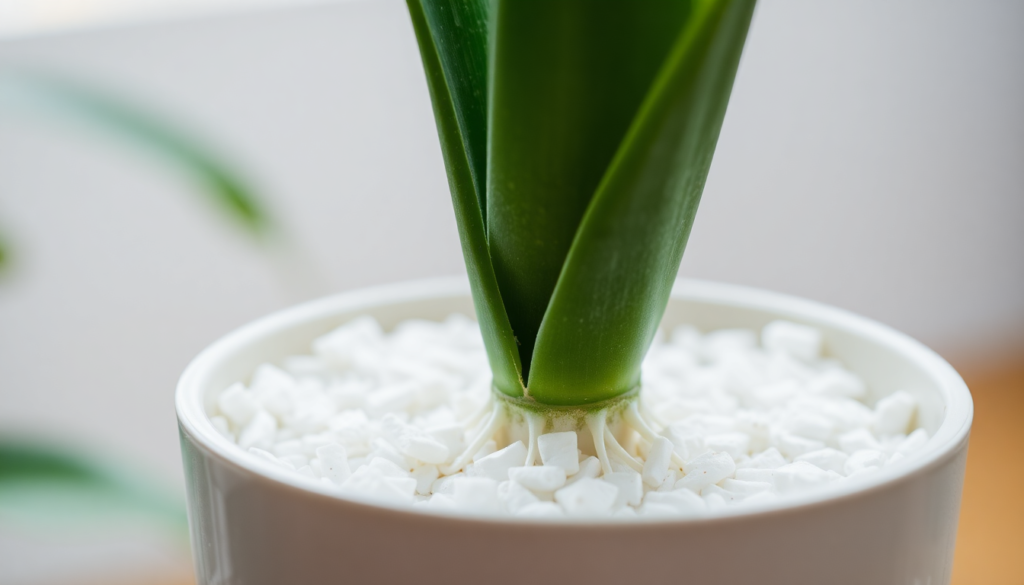
Growing from seeds or propagating from leaf cuttings requires a different approach than established plants. Young roots are delicate and need both moisture and air.
For Seeds
- Use a 50/50 mix of perlite and seed-starting mix.
- Keep the medium barely moist, not wet.
- Germination takes 3 to 6 weeks at 70 to 75 degrees Fahrenheit.
- Once seedlings have two to three leaves, transplant into the standard snake plant mix.
For Leaf Cuttings in Soil
- Use pure perlite or a 50/50 perlite and coarse sand mix.
- This prevents rot at the cut end while roots develop.
- Mist lightly every few days. Never soak.
- After roots reach 1 inch long (about 8 to 12 weeks), transfer to the standard mix.
Water propagation produces roots faster but those roots are fragile. When you move them to soil, use a very airy mix and let the soil nearly dry out between early waterings. This hardens water-grown roots to soil conditions.
Feeding Your Snake Plant: Soil and Fertilizer Together
Fast-draining soil means nutrients move through quickly. Your snake plant does not get fed passively by a rich, water-retentive mix. You provide nutrients directly.
- Fertilize once a month during spring and summer only.
- Use a balanced liquid fertilizer diluted to half the recommended strength. A 10-10-10 NPK or a fertilizer formulated for succulents works well.
- Do not fertilize in fall or winter. Growth slows and unused fertilizer builds up as salt deposits in the soil, which burns roots.
- If white crusty deposits appear on the soil surface, flush the pot thoroughly with plain water to remove accumulated mineral salts.
When to Repot and Refresh Soil
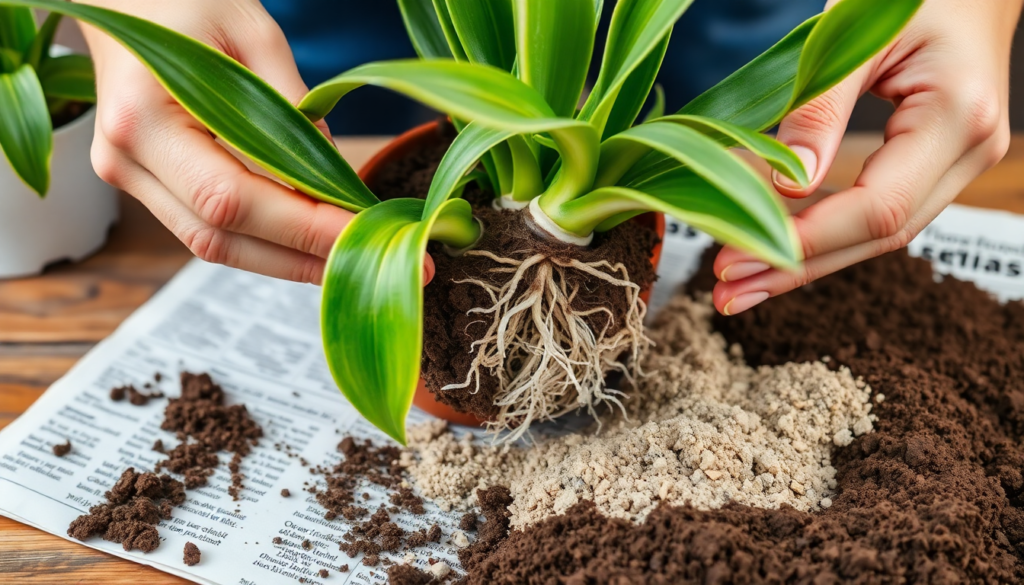
Snake plant soil breaks down over time. Organic matter decomposes, perlite settles, and the mix loses its structure. Refresh it on a schedule.
- Repot every 2 to 3 years even if the plant does not look rootbound.
- Repot sooner if the plant dries out within 24 hours after watering, roots grow out of drainage holes, or the soil smells sour.
- Best time to repot is spring, when growth begins. Never repot in winter.
- When repotting, remove as much old soil from the roots as possible. Inspect for rot: brown, mushy sections. Cut off any rotten roots with clean scissors before potting into fresh mix.
Signs Your Soil Mix Is Wrong
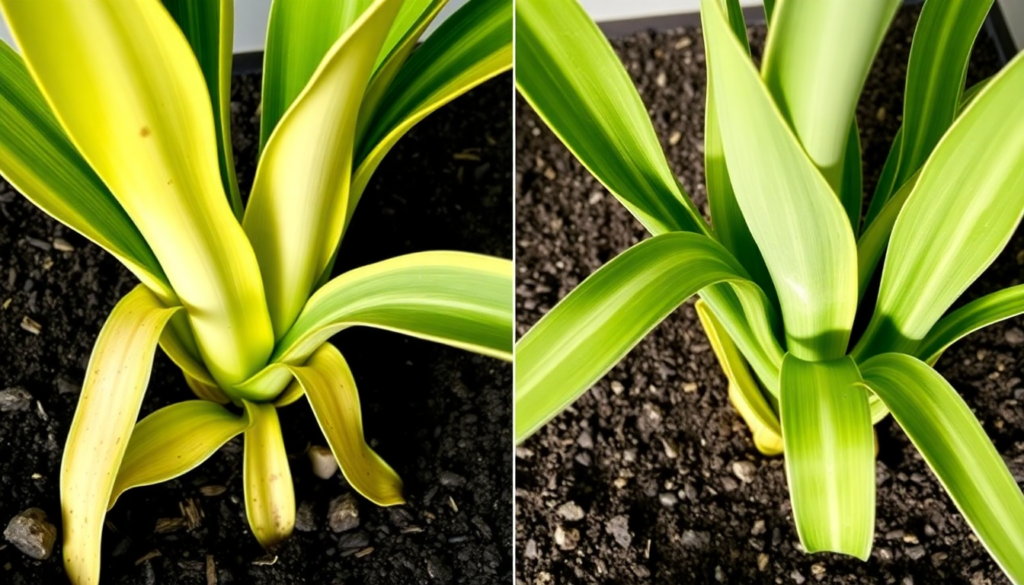
Yellow, mushy leaves at the base: Soil stays wet too long. Root rot has begun. Repot immediately into fast-draining mix and remove all rotten roots.
Soil dry within 12 hours of watering: Mix drains too fast or plant is rootbound. Check roots. Reduce perlite slightly or move up one pot size.
White crust on the soil surface: Mineral salt buildup from fertilizer or tap water. Flush with plain water. Consider switching to filtered or rainwater.
Soil pulls away from pot edges when dry: Too much peat in the mix. Peat shrinks when it dries out. Repot with a coco coir-based mix instead.
Slow growth despite good light and regular watering: pH is likely outside the 6.0 to 7.0 range. Test your soil pH. Adjust with lime if too acidic or sulfur if too alkaline.
Frequently Asked Questions
Do snake plants need special soil?
Yes. Snake plants need fast-draining, well-aerated soil with low water retention. Standard potting mix holds too much moisture and leads to root rot. Always amend any potting mix with perlite and coarse sand, or buy a cactus blend and amend that too.
Is cactus mix good for snake plants?
Cactus mix is better than standard potting mix. Most brands still benefit from 20 to 30% extra perlite. Check the texture before using it straight from the bag. Grittier is better.
What is the best soil for snake plants indoors?
40% potting mix, 30% perlite, 20% coarse sand, and 10% pine bark fines. This drains fast, stays aerated, and prevents the wet-soil cycle that causes root rot in low-light, low-airflow indoor environments.
Do snake plants grow faster in certain soils?
Yes. Snake plants grow faster in well-aerated soil because roots get more oxygen. Well-oxygenated roots absorb water and nutrients more efficiently. Perlite and pine bark fines increase root oxygenation significantly compared to dense potting mix.
Can I use outdoor soil for snake plants in pots?
No. Garden soil and topsoil compact in containers, restrict drainage, and cut off oxygen to the roots. Always use a container-appropriate mix amended with perlite and coarse sand.
How often should I change snake plant soil?
Refresh the soil every 2 to 3 years. The organic components in potting mix break down over time and lose their structure, leading to compaction and poor drainage even if the plant has not outgrown its pot.
What is the best soil mix for snake plant seeds?
Use a 50/50 mix of perlite and seed-starting mix. Keep it barely moist. Once seedlings have two to three leaves, move them into the standard fast-draining mix.
The one rule that covers everything:
If your soil holds moisture for more than 48 hours after watering, your snake plant is at risk. Fix the soil before you adjust anything else.