
Your snake plant has been sitting in the same corner for months and barely looks different from the day you brought it home.
You water it, give it light, and wait. But the growth is painfully slow.
Here is the truth. Knowing how to make a snake plant grow tall fast comes down to a few specific care factors that most plant owners overlook completely.
In this guide you get practical, tested tips covering light, soil, watering, fertilizer, and pot size to help your snake plant grow taller, faster, and produce bigger leaves in 2026. Whether your plant is a complete beginner challenge or you want to push an already healthy plant to its full potential, this guide gives you everything you need.
Understanding Snake Plant Growth
Before jumping into tips, you need to understand how snake plant growth actually works.
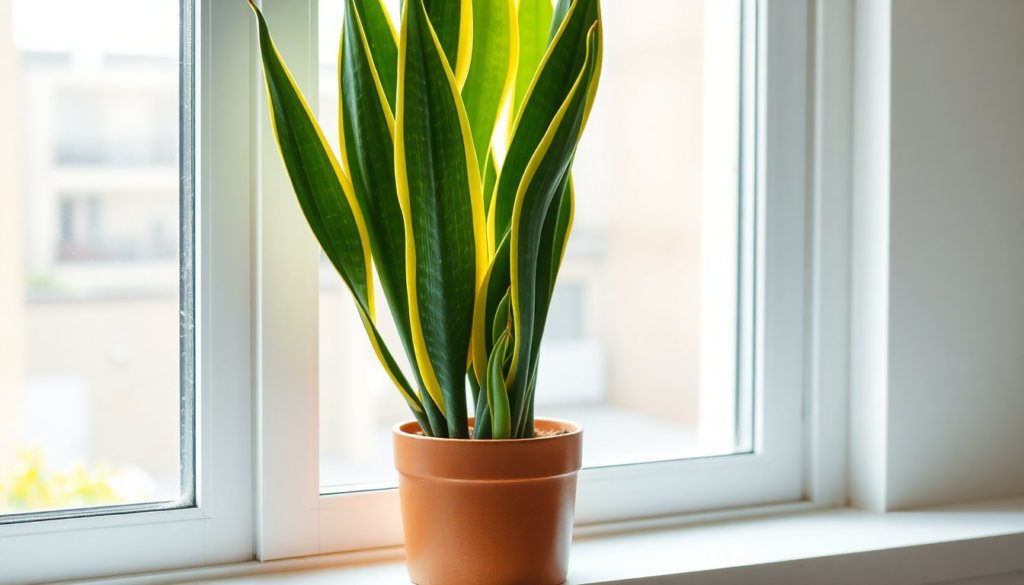
Snake plants, scientifically known as Dracaena trifasciata and previously called Sansevieria, grow from underground rhizomes. New leaves push upward from the base of the plant rather than from existing leaves.
This means growth happens in bursts rather than continuously. You will notice nothing for weeks, then suddenly see two or three new leaves pushing up from the soil.
Understanding this pattern stops you from thinking something is wrong when growth pauses between bursts.
Key snake plant growth facts:
- Average growth rate: 4 to 12 inches per year depending on conditions
- Fastest growth period: Spring and summer
- Slowest growth period: Fall and winter
- Maximum height: 2 to 4 feet for most indoor varieties
- Leaf production: 2 to 4 new leaves per growing season under ideal conditions
Are Snake Plants Slow Growing?
Yes, snake plants are considered slow to moderate growers compared to plants like pothos or monstera.
But slow growing does not mean you are stuck with minimal progress. The right conditions push a snake plant to grow at the faster end of its natural range.
Most snake plants grow slowly because they sit in the wrong light, wrong pot size, or wrong soil. Fix those three things and growth visibly improves within one growing season.
Under ideal conditions a snake plant grows 4 to 12 inches per year. Under poor conditions the same plant grows less than 2 inches in a full year.
The difference between those two outcomes is entirely within your control.
Best Light Conditions for Fast Snake Plant Growth
Light is the single biggest factor controlling how fast your snake plant grows.
Snake plants tolerate low light, but tolerating low light and thriving in it are two completely different things.
What actually works:
Bright indirect light produces the fastest snake plant growth. A spot 3 to 5 feet from a south or east facing window gives your plant the light intensity it needs to push new leaves consistently.
Direct morning sun for 1 to 2 hours is fine and actually beneficial. Harsh afternoon direct sun burns the leaf tips and edges over time.
Light guide by location:
| Light Condition | Growth Rate | Recommendation |
| Bright indirect light | Fast, 8 to 12 inches per year | Best position |
| Moderate indirect light | Medium, 4 to 8 inches per year | Acceptable |
| Low light, north window | Slow, 1 to 3 inches per year | Avoid for fast growth |
| No natural light | Almost zero growth | Never recommended |
Practical tip: If your apartment has limited natural light, a basic LED grow light running 8 to 10 hours daily produces results nearly identical to a bright window. A 20 to 40 watt grow light placed 12 inches above the plant works well for most snake plant varieties.

Soil and Pot Setup for Maximum Height
The wrong soil and pot size limits snake plant growth more than most people realize.
Best Soil for Fast Snake Plant Growth
Snake plants need fast draining soil. Their roots sit in the soil 24 hours a day. Waterlogged soil suffocates roots and stops growth completely.
Use this soil mix:
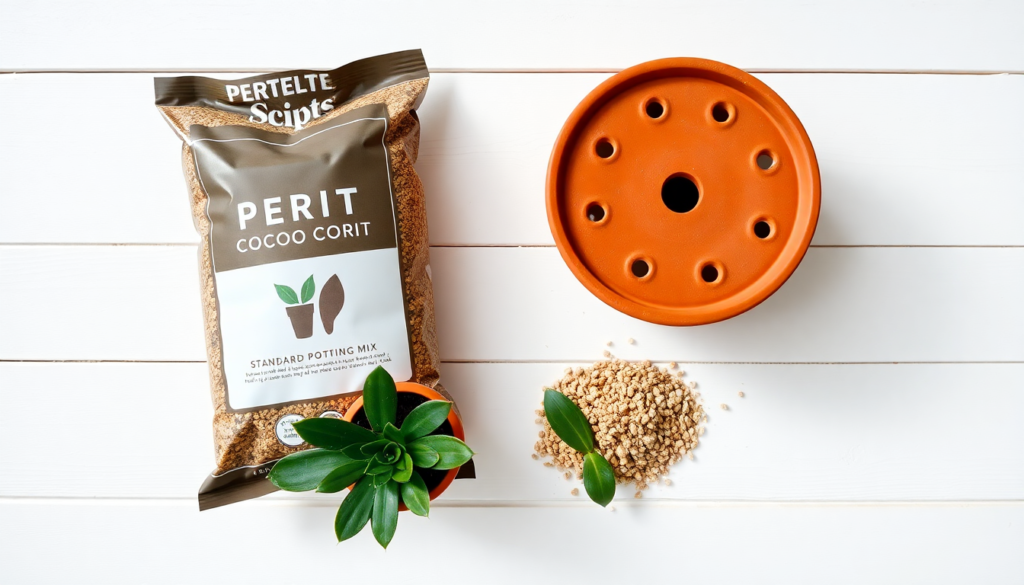
- 50% standard potting mix
- 30% perlite or coarse sand
- 20% coco coir
This combination drains fast, holds just enough moisture, and allows good air flow to the roots which directly supports faster growth.
Avoid using heavy potting mixes designed for moisture loving plants. These hold too much water for snake plants and lead directly to root rot.
Best Pot Size for Taller Growth
Pot size controls how much root space your snake plant has. More root space equals more capacity for growth.
But going too large too fast causes a different problem. Too much soil holds too much moisture and increases root rot risk.
Follow this sizing rule:
- Choose a pot 1 to 2 inches wider than the current root ball
- Repot every 2 to 3 years or when roots circle the bottom of the pot
- Always choose pots with drainage holes
Terracotta pots are the best choice for snake plants. The porous walls allow excess moisture to evaporate faster, which keeps roots healthy and supports consistent growth.
How to Water Snake Plants for Faster Growth
Watering mistakes slow snake plant growth more than almost any other factor.
Snake plants store water in their thick leaves. They prefer dry conditions between waterings.
Follow this watering approach:
Water deeply and thoroughly until water flows from the drainage holes. Then wait until the soil is completely dry before watering again.
In spring and summer this means watering every 2 to 3 weeks. In fall and winter stretch this to every 4 to 6 weeks.
Signs you are overwatering:
- Soft, mushy leaves at the base
- Yellow leaves that feel limp
- Musty smell from the soil
- No new growth despite adequate light
Signs you are underwatering:
- Wrinkled or curling leaves
- Dry brittle leaf edges
- Soil pulling away from pot edges
Overwatering is far more damaging to snake plant growth than underwatering. When in doubt, wait another week before watering.
Use a moisture meter to remove all guesswork. Insert the probe and water only when the reading hits the dry zone.
For more help diagnosing watering problems, read our complete guide on overwatering vs underwatering plants.
Fertilizer Tips to Speed Up Snake Plant Growth
Fertilizer gives your snake plant the nutrients it needs to push new leaves faster.
Snake plants are light feeders. They do not need heavy fertilizing. But consistent feeding during the growing season produces noticeably faster results.
Best fertilizer approach:
Use a balanced liquid fertilizer with an NPK ratio of 10-10-10 or 20-20-20 diluted to half the recommended strength.
Feed every 4 to 6 weeks during spring and summer only.
Stop fertilizing completely from October through February. Feeding during dormancy does not help growth and builds up harmful salt deposits in the soil.
What to avoid:
- Never fertilize a freshly repotted plant for 6 weeks
- Never fertilize dry soil, water first then fertilize
- Never use fertilizer at full strength on snake plants

Temperature and Humidity for Faster Growth
Temperature directly controls the pace of snake plant growth.
Snake plants grow fastest between 70°F and 90°F. Below 50°F growth stops completely and cold damage sets in.
Practical temperature tips:
- Keep snake plants away from cold drafts and air conditioning vents in summer
- Move plants away from exterior windows in winter when glass gets cold at night
- Never place snake plants outdoors when temperatures drop below 55°F
Snake plants handle low humidity well, making them ideal for US apartments with dry winter air. They do not need misting or humidity trays like tropical plants do.
The one humidity related issue to watch is extremely dry heated air in winter, which causes leaf tip browning over time. A small humidifier nearby reduces this without affecting the plant’s preference for dry soil conditions.
How to Grow Snake Plant Upright and Tall
A snake plant growing sideways or leaning is not reaching its height potential.
Snake plants grow upright naturally when light comes from above or from directly in front of the plant. When light comes from one side only, leaves lean toward the light source and lose their upright form.
Fix leaning growth:
- Rotate your pot 90 degrees every 2 weeks so all sides receive equal light
- Move the plant closer to the light source so it does not stretch toward it
- Use a clean stake tied loosely to a leaning leaf to guide it upright while it corrects
Fix crowded growth:
When too many leaves compete for space in a small pot, individual leaves grow shorter and thinner rather than tall and wide.
Dividing the plant and giving each section more root space directly produces taller individual leaves. See the section below on how snake plants reproduce for step by step dividing instructions.

Fastest Growing Snake Plant Varieties
Not all snake plants grow at the same rate. Choosing a fast growing variety gives you a head start.
Top fast growing snake plant varieties:
Dracaena trifasciata, Laurentii The most common variety in US homes. Grows 2 to 4 feet tall with yellow bordered leaves. One of the faster indoor varieties under bright indirect light.
Dracaena trifasciata, Robusta Wider leaves and faster growth than standard varieties. Reaches full height quicker under ideal conditions.
Dracaena trifasciata, Zeylanica Dark green with light gray green cross banding. Grows vigorously in bright indirect light and produces new shoots regularly.
Dracaena cylindrica Cylindrical leaves that grow tall and upright quickly. One of the fastest growing snake plant types available in the US market.
Dracaena trifasciata, Futura Superba Shorter and wider than standard varieties but produces new leaves at a faster rate than most other types.
How Snake Plants Reproduce and Grow New Shoots
Understanding how snake plants reproduce helps you encourage more growth points and a fuller, taller plant overall.
Snake plants reproduce through two main methods.
Method 1, Rhizome Division
Snake plants spread underground through horizontal stems called rhizomes. These rhizomes produce new growth points that push leaves upward from the soil.
When you see new shoots appearing at the base of your plant, rhizome division is happening naturally.
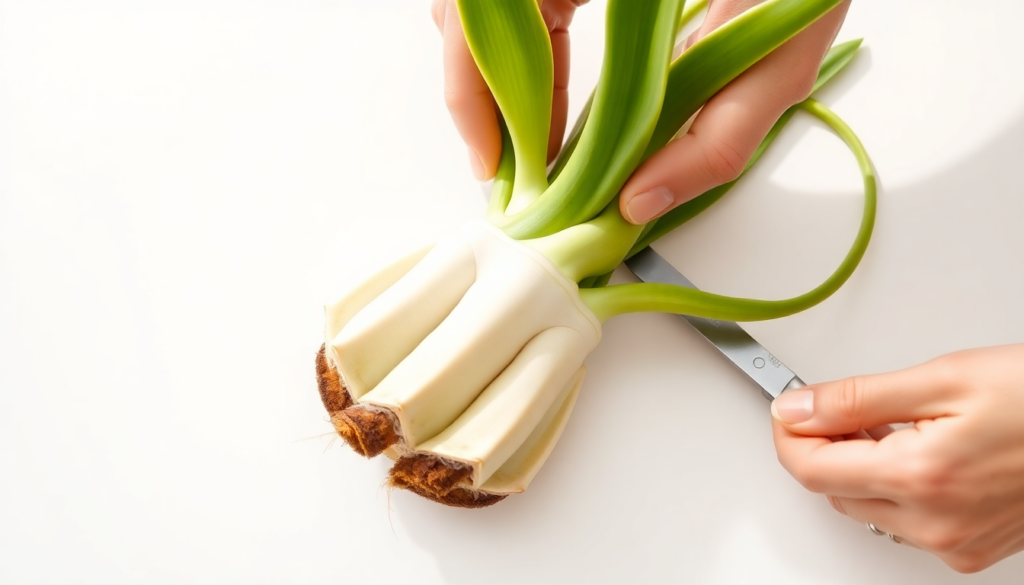
You speed this up by dividing the plant during repotting. Each division with at least one rhizome and two to three leaves produces a new independent plant that starts pushing new growth immediately after establishing roots.
How to divide your snake plant:
- Remove the plant from its pot
- Brush away soil to expose the rhizomes
- Use a clean sharp knife to separate sections
- Each section needs at least one rhizome and two leaves
- Let cut sections dry for 24 hours before repotting
- Pot each section in fresh well draining soil
- Wait 2 to 3 weeks before watering to allow root establishment
Method 2, Leaf Cuttings
You grow new snake plants from individual leaf cuttings placed in water or soil.
Cut a healthy leaf into 3 to 4 inch sections. Place them upright in water or directly in moist soil. Roots develop within 3 to 6 weeks.
Note: Variegated varieties like Laurentii lose their yellow edges when propagated through leaf cuttings. Division is the only method that preserves variegation.
How to Regrow a Snake Plant
If your snake plant has lost most of its leaves or looks nearly dead, regrowing it is still possible in most cases.
Step 1, Check for Living Rhizomes
Remove the plant from its pot. Look for firm white or cream colored rhizomes in the root system. If at least one rhizome is alive and firm, the plant has regrowth potential.
Step 2, Remove All Damaged Material
Cut away all soft, brown, or mushy roots and leaves with clean scissors. Leave only firm healthy tissue.
Step 3, Treat Cut Surfaces
Dust cut root surfaces with cinnamon or powdered sulfur. Both act as natural antifungal agents that reduce infection risk on fresh cuts.
Step 4, Repot in Fresh Soil
Plant the cleaned rhizome section in fresh fast draining soil mix. Do not water for 7 to 10 days after repotting to allow cuts to seal.
Step 5, Provide Ideal Conditions
Place in bright indirect light. Keep temperature above 65°F. New shoots appear within 4 to 8 weeks if the rhizome is healthy.
For more guidance on plant recovery read our article on why your plant is dropping leaves.
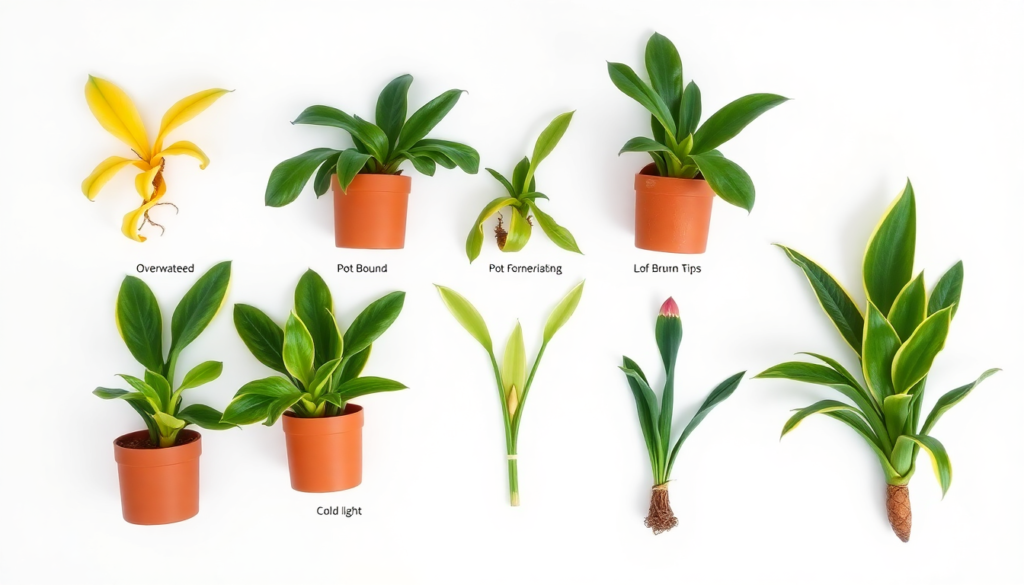
Most Common Snake Plant Growth Mistakes
These mistakes slow snake plant growth more than anything else.
Mistake 1, Keeping in Low Light
Snake plants survive in low light but grow almost nothing. Move to bright indirect light and growth rate increases measurably within one season.
Mistake 2, Overwatering
This is the number one growth killer. Overwatering causes root rot which stops all growth. Water only when soil is completely dry.
Mistake 3, Wrong Pot Size
A pot too large holds too much moisture. A pot too small restricts root growth. Follow the 1 to 2 inch sizing rule at every repotting.
Mistake 4, Fertilizing in Winter
Feeding during dormancy does not accelerate growth. It builds up salt deposits that damage roots and slow spring growth.
Mistake 5, Never Repotting
A root bound snake plant stops growing taller. Repot every 2 to 3 years and growth resumes quickly after establishment.
Mistake 6, Cold Exposure
Temperatures below 50°F stop growth completely. A single cold night near a drafty window sets growth back by weeks.
Expert Insight
“I have grown snake plants in US apartments for over six years across four different states with completely different light conditions. The single biggest shift in growth rate came from moving my plants from a north facing window to a spot 4 feet from an east facing window. Within one growing season the same plants that had produced two leaves in the previous year pushed out seven new leaves. Light is the primary growth driver for snake plants. Everything else supports it, but nothing replaces adequate light intensity for producing consistent upright growth.”
Buying Guide, Best Products for Snake Plant Growth in 2026
These products produce the most consistent results for faster snake plant growth.
Grow Lights
Best option: A 40 watt full spectrum LED grow light with a timer.
Placement: 10 to 14 inches above the top of the plant. Run for 10 hours daily.
Best for apartment dwellers with north facing or limited windows.
Soil and Amendments
Best option: A cactus and succulent potting mix combined with added perlite.
Mix ratio: 2 parts cactus mix to 1 part perlite. This produces the fast drainage snake plants need.
Fertilizers
Best option: A balanced liquid fertilizer at half strength.
Brands with 10-10-10 or 20-20-20 NPK ratios work consistently well for snake plant feeding during spring and summer.
Moisture Meter
Best option: A basic analog or digital soil moisture meter under $15.
Removes all guesswork from watering decisions. Prevents the overwatering that kills growth faster than any other mistake.
Pots
Best option: Terracotta pots with large drainage holes.
Sizes: Start with a pot 1 to 2 inches wider than the root ball. Move up one size every 2 to 3 years.
| Product | Purpose | Price Range |
| LED grow light 40 watt | Light supplement | $20 to $45 |
| Cactus potting mix | Fast draining soil base | $8 to $15 |
| Perlite bag | Drainage amendment | $6 to $12 |
| Balanced liquid fertilizer | Growth feeding | $10 to $20 |
| Soil moisture meter | Watering accuracy | $8 to $15 |
| Terracotta pot set | Healthy root environment | $12 to $30 |
FAQs
Q1: How do I make my snake plant grow faster?
Give your snake plant bright indirect light, water only when soil is completely dry, use fast draining soil, and fertilize every 4 to 6 weeks in spring and summer. These four changes produce the fastest measurable growth improvement.
Q2: Are snake plants slow growing?
Yes, snake plants grow slowly compared to plants like pothos or monstera. Their average growth rate is 4 to 12 inches per year. Under ideal light, soil, and watering conditions they grow at the faster end of that range.
Q3: What is the fastest growing snake plant variety?
Dracaena cylindrica and Dracaena trifasciata Robusta are among the fastest growing snake plant varieties available in the US. Both respond well to bright indirect light and produce new leaves more consistently than smaller compact varieties.
Q4: How do I get my snake plant to grow upright?
Rotate your pot 90 degrees every 2 weeks so all sides receive equal light. Move the plant closer to its light source so it does not stretch sideways toward it. Use a loose stake to guide severely leaning leaves while the plant adjusts.
Q5: How do snake plants grow new shoots?
Snake plants grow new shoots from underground rhizomes. These horizontal stems spread through the soil and produce new growth points that push leaves upward from the base of the plant. You encourage more shoots by dividing the plant during repotting and giving each section fresh soil and adequate space.
Q6: How do I regrow a snake plant from scratch?
Check for living rhizomes in the root system. Remove all damaged roots and leaves. Dust cuts with cinnamon as a natural antifungal. Repot in fresh fast draining soil. Place in bright indirect light and wait 4 to 8 weeks for new shoots to appear.
Q7: Why is my snake plant not growing at all?
The most common reasons are insufficient light, overwatering causing root rot, being root bound in a too small pot, or winter dormancy. Check each of these factors systematically and address whichever applies to your plant.
Q8: How often should I repot my snake plant for faster growth?
Repot every 2 to 3 years or when roots visibly circle the bottom of the pot or push out through drainage holes. Each repotting gives the root system new space and fresh nutrients that directly support faster growth in the following season.
Q9: What type of water is best for snake plants?
Room temperature tap water left to sit overnight works well for snake plants. The overnight sitting allows chlorine to dissipate which reduces the leaf tip browning that some snake plants show with fresh tap water. Filtered water is a good upgrade if brown tips persist.
Q10: Do snake plants grow faster outdoors?
Yes, snake plants grow noticeably faster outdoors in warm weather because they receive higher light intensity and better air circulation. Move them outside in summer when temperatures stay above 60°F at night. Bring them back indoors before temperatures drop below 55°F in fall.
For more on choosing the right plants for your space read our guide on best low light indoor plants for apartments.
Conclusion
Making your snake plant grow tall fast comes down to six things: bright indirect light, fast draining soil, correct watering, seasonal fertilizing, the right pot size, and stable warm temperatures.
Fix these six factors and your snake plant grows at the top end of its natural range, producing more leaves, more new shoots, and noticeably more height within one growing season.
Start with light. It produces the biggest single improvement in snake plant growth rate of any factor on this list.
Then address soil and watering. These two together eliminate the root problems that hold most snake plants back from reaching their full potential.
Apply these tips consistently and your snake plant transforms from a slow corner plant into one of the most impressive specimens in your indoor garden.