
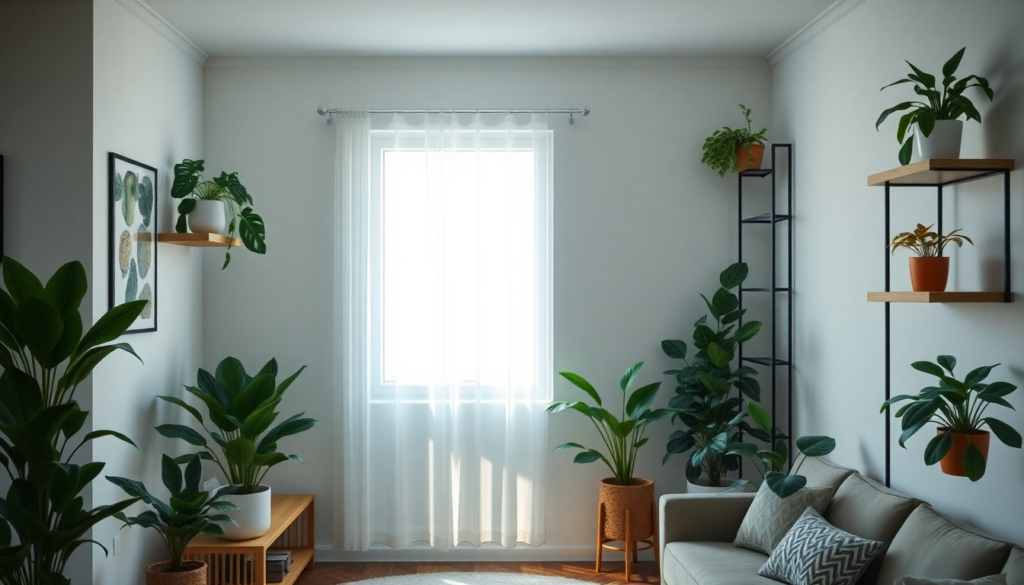
I moved into my first apartment seven years ago, and the lighting situation was honestly depressing.
One tiny north-facing window. Walls that absorbed every last bit of natural light. I tried growing a fiddle leaf fig, it dropped every leaf within three weeks. I tried a monstera, it just sat there, refusing to do anything. I started to believe I simply wasn’t meant to be a plant person.
Then a friend handed me a small pothos cutting in a plastic cup and said, “Just put it anywhere. It’ll survive.”
She was right.
That little pothos not only survived, it grew into a trailing beauty that now hangs from my bookshelf. And it opened a door I didn’t know existed: the world of low-light indoor plants.
Over the last decade, I’ve grown dozens of varieties in dim apartments, shaded offices, and north-facing rooms. I’ve made every mistake possible. And I’ve learned which plants genuinely thrive without sunlight, and which ones are just marketed that way.
In this guide, I’ll share the 10 best low-light indoor plants I personally recommend for 2026 homes, plus everything you need to know to keep them healthy and beautiful.
What Does “Low Light” Actually Mean for an Indoor Plant?
Before we dive in, let’s clear up a common misconception.
Low light doesn’t mean no light.
It means your plant doesn’t need direct sunlight to survive. It can grow comfortably in a spot that’s away from windows, under artificial lighting, or in a room that gets only filtered or indirect daylight.
Most beginners confuse “low light tolerant” with “thrives in complete darkness.” That misunderstanding kills plants.
A good rule of thumb: if you can comfortably read a book in that corner without turning on a lamp during the day, your low-light indoor plant will likely do fine there.
Now let’s talk about the plants.
Many beginners start their indoor garden with low light indoor plants because they are forgiving and adapt well to apartment living.
1. Pothos — The Most Forgiving Low-Light Indoor Plant
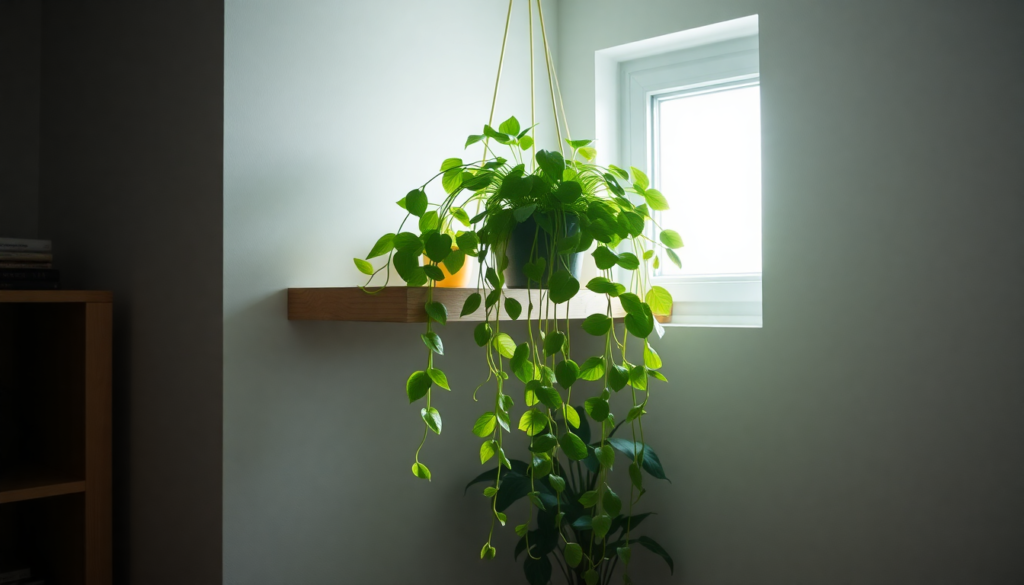
If I had to recommend one plant to every beginner, it would be pothos. No question.
I’ve grown pothos in hallways, bathrooms, closet shelves, and even under a staircase. It never complained. It just kept growing.
Why It Works?
Pothos adapts to almost any light condition. It slows down in very dim spaces, but it doesn’t collapse or lose its color. The trailing vines look stunning in hanging baskets or on high shelves.
What Plants Do Well in Low Light Indoors?
Pothos is consistently the top answer to this question, and for good reason. It tolerates neglect, irregular watering, and poor light better than almost any other houseplant.
Care Tip: Water only when the top inch of soil feels dry. Yellow leaves usually mean overwatering, not underwatering.
2. Snake Plant — The Low-Light Plant That Purifies Air
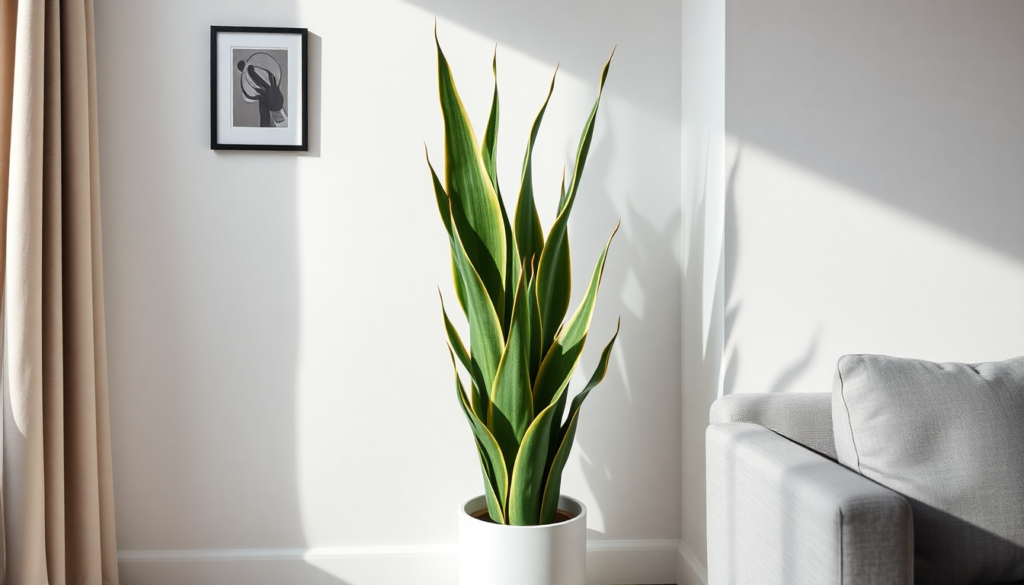
The snake plant was the second plant I ever bought, and it’s still alive today, seven years later, same pot, same corner.
Do Low-Light Plants Purify Air?
Yes, and snake plant is one of the most studied examples. It’s known to filter toxins and release oxygen even at night, making it one of the best bedroom plants you can own.
Why It Works in Dark Rooms?
Snake plants are built for neglect. They store water in their thick leaves, tolerate artificial lighting, and barely need attention in winter.
Care Tip: Water every 2–4 weeks depending on season. This is a plant that genuinely prefers being ignored.
3. ZZ Plant — The Plant That Grows Without Sunlight
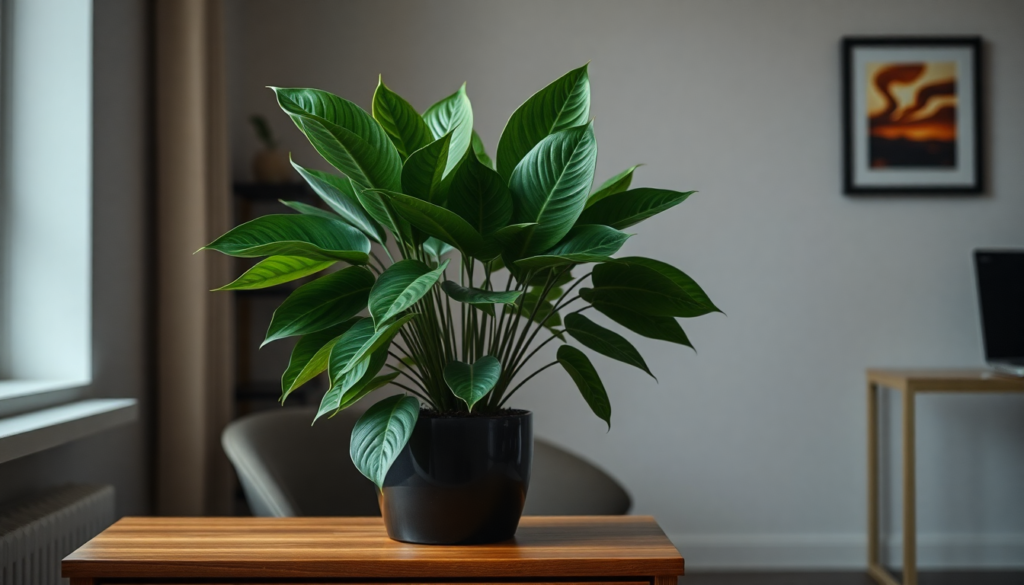
When people ask me “which indoor plant grows without sunlight,” ZZ plant is my honest answer.
I tested one in a room with no windows, only a ceiling light on for about 8 hours daily. It grew three new stems in four months. I was stunned.
Why It Works? ZZ plants store water and energy in their thick rhizomes underground. This allows them to survive long periods of low light and irregular watering.
Care Tip: Water sparingly, once every 3–4 weeks in low light. Overwatering is the only real way to kill a ZZ plant.
Important Note: ZZ plant is toxic to pets and children. Keep it out of reach.
4. Peace Lily — Beauty and Air Purification in One
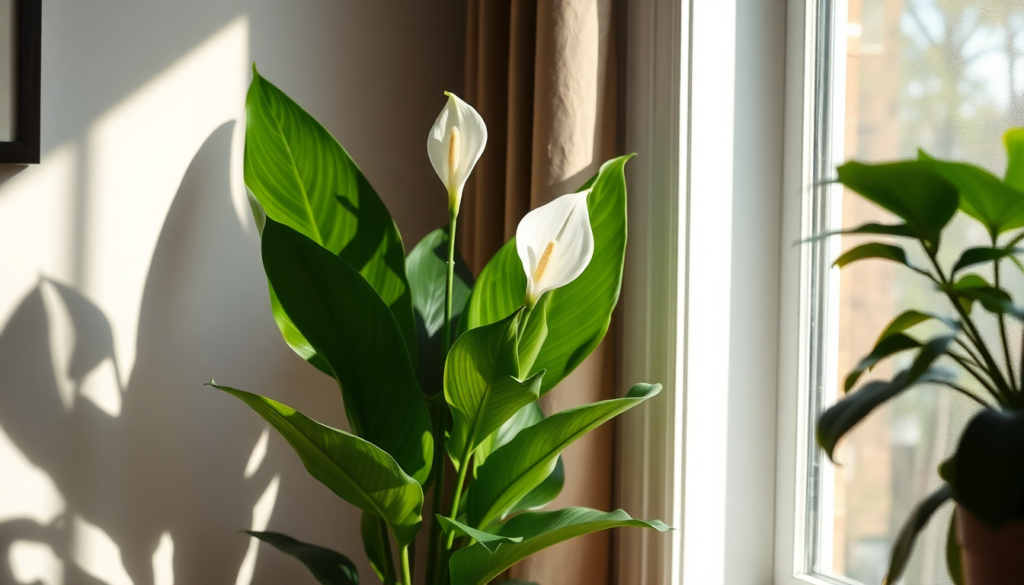
Peace lily was the first flowering plant I successfully grew in a low-light apartment, and it genuinely surprised me.
It bloomed, in a north-facing room, with nothing but indirect daylight.
Can Indoor Plants Help With Allergies?
Peace lily is frequently mentioned in this context. It’s known to reduce airborne mold spores and filter common household toxins. For allergy sufferers, it’s one of the most recommended low-light indoor plants.
Why It Works?
Peace lily is naturally a forest floor plant. It evolved under dense canopies with very little direct sunlight. Your dim apartment corner is basically its natural habitat.
Care Tip: It tells you when it’s thirsty, leaves droop slightly. Water it then, not before.
5. Cast Iron Plant — The Plant That Survives Everything
The name says it all.
I once left a cast iron plant in a garage for two months while moving apartments. No water. No light. I expected to throw it away.
It was fine.
What Plants Can Live in Dark Rooms?
Cast iron plant is genuinely one of the best answers to this question. It tolerates deep shade, temperature fluctuations, irregular watering, and low humidity, all without complaint.
Why It Works?
This plant is native to forest floors in Japan and China where light is extremely limited. It’s adapted over thousands of years to survive in near-darkness.
Care Tip: Water every 2–3 weeks. Wipe leaves occasionally to remove dust, that’s about all the care it needs.
6. Chinese Evergreen — Colorful and Low-Light Friendly
Chinese evergreen was a game-changer for me when I wanted more color in my dim apartment.
Most low-light plants are just green. Chinese evergreen comes in red, pink, silver, and cream varieties, and it handles low light surprisingly well.
Why It Works Darker-colored varieties (deep green, dark red) tolerate lower light better than lighter or variegated ones. The greener the leaf, the more light it can absorb in dim conditions.
Care Tip: Avoid cold drafts and direct AC airflow. This plant dislikes temperature extremes more than it dislikes low light.
7. Dracaena — The Tall Low-Light Indoor Plant
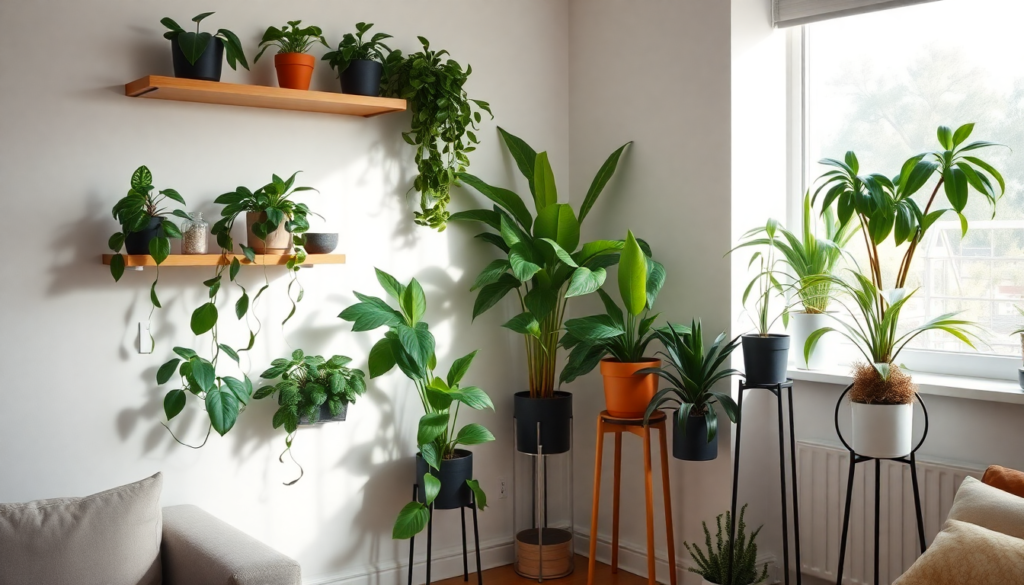
If you want height in a low-light space, dracaena is your answer.
I grew mine to nearly 5 feet in a shaded office corner over three years. It became the focal point of the entire room.
Why It Works?
Dracaena is naturally a slow-growing tropical plant that evolved under forest canopies. It tolerates dim indoor conditions and artificial lighting well — though it prefers moderate indirect light for best growth.
Care Tip: Fluoride in tap water can cause brown leaf tips. Use filtered water or let tap water sit overnight before watering.
8. Spider Plant — Safe, Easy, and Air-Cleaning
Spider plant is one of the safest low-light plants you can own, especially if you have pets or young children.
Can Indoor Plants Help With Allergies?
Spider plant is frequently cited for its ability to absorb carbon monoxide and formaldehyde from indoor air. For beginners dealing with air quality concerns, it’s a smart, low-maintenance choice.
Why It Works?
Spider plants are incredibly adaptable. They thrive in a wide range of light conditions, from bright indirect to quite dim spaces.
Care Tip: They produce small “spiderette” offshoots you can propagate easily. One plant becomes many within a year.
9. Philodendron Heartleaf — Fast-Growing Low-Light Vine
Heartleaf philodendron is pothos’s slightly more dramatic cousin.
Bigger leaves. Faster growth. Just as forgiving.
I grew one on a moss pole in a dim bedroom corner. Within six months, it had climbed nearly three feet.
Why It Works Like pothos, heartleaf philodendron evolved in tropical forest understories with limited light. It adapts quickly to indoor conditions and doesn’t need much to look lush.
Care Tip: Wipe leaves every few weeks. Dusty leaves reduce a plant’s ability to absorb available light especially important in low-light conditions.
10. Parlor Palm — The Low-Light Indoor Plant for Elegance
Every apartment needs one plant that makes guests say “wow.”
For me, that’s always been the parlor palm.
It’s graceful, tropical-looking, and genuinely one of the best low-light plants for adding height and elegance to any corner.
Why It Works Parlor palms are native to the rainforest floors of Mexico, naturally low-light environments. They adapt beautifully to indoor conditions with indirect or artificial light.
Care Tip: Keep soil consistently moist (not wet). Unlike most low-light plants, parlor palm prefers slightly more regular watering.
Low-Light Indoor Plant Comparison Chart
| Plant | Height | Light Needed | Watering | Pet Safe | Air Purifying |
| Pothos | Trailing | Very Low | Every 7–10 days | ❌ | ✅ |
| Snake Plant | 2–4 ft | Low | Every 2–4 weeks | ❌ | ✅ |
| ZZ Plant | 2–3 ft | Very Low | Every 3–4 weeks | ❌ | ✅ |
| Peace Lily | 1–3 ft | Low–Moderate | Weekly | ❌ | ✅ |
| Cast Iron Plant | 1–2 ft | Very Low | Every 2–3 weeks | ✅ | ✅ |
| Chinese Evergreen | 1–3 ft | Low | Every 7–10 days | ❌ | ✅ |
| Dracaena | 3–6 ft | Low–Moderate | Every 10–14 days | ❌ | ✅ |
| Spider Plant | Trailing | Low | Every 7 days | ✅ | ✅ |
| Heartleaf Philodendron | Trailing/Climbing | Low | Every 7–10 days | ❌ | ✅ |
| Parlor Palm | 3–5 ft | Low–Moderate | Every 5–7 days | ✅ | ✅ |
How to Choose the Right Low-Light Indoor Plant for Your Home
Not every low-light corner is the same, and not every beginner has the same lifestyle.
If you forget watering often: Choose ZZ plant, snake plant, or cast iron plant. These three survive the longest between waterings.
If you have pets or children: Choose spider plant, cast iron plant, or parlor palm. These are non-toxic and safe for households with animals and kids.
If you want air purification: Peace lily, snake plant, and spider plant are your best options. All three are well-documented for filtering indoor air pollutants.
If you want height and drama: Go with dracaena or parlor palm. Both create a strong visual statement in empty corners.
If you’re a complete beginner: Start with pothos. It’s the most forgiving low-light indoor plant you can find.
My Practical Routine for Low-Light Plants
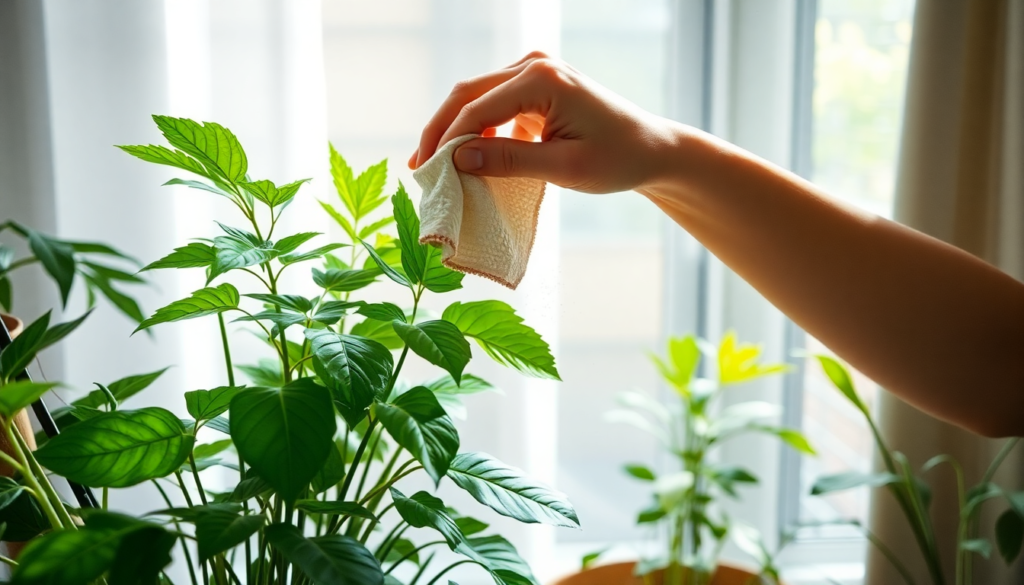
Here’s exactly what I do, no complicated schedules:
Every Week: Check soil moisture with my finger before watering anything. I never water on a fixed schedule.
Every Two Weeks: Wipe dusty leaves with a damp cloth. In low-light spaces, clean leaves absorb more available light.
Every Month: Rotate pots so all sides receive even light exposure. This prevents leaning and uneven growth.
Every Season: Adjust watering frequency. Plants need less water in winter, even low-light varieties slow down significantly.
That’s it. Simple, consistent observation beats any rigid schedule.
If your home doesn’t receive much sunlight, choosing the right low light indoor plants can completely change the feel of the space.
Common Mistakes With Low-Light Indoor Plants
I’ve made all of these, and I’ve seen beginners make them constantly:
Watering on a calendar: Soil dryness, not the date, should trigger watering.
Placing plants in total darkness: Low light means limited light, not zero light. Even the toughest plants need to “see” the room.
Using decorative pots without drainage: Beautiful but deadly. Always use pots with drainage holes.
Expecting fast growth: Low-light plants are slow growers. Patience is part of the process.
Treating all plants the same: ZZ plant and peace lily have completely different water needs. Research each one individually.
Ignoring dust on leaves: This is especially critical for low-light plants. Dusty leaves absorb even less of the little light available.
Prevention Strategy: Keep Your Low-Light Plants Thriving
These six habits will prevent 90% of common problems:
Always check soil before watering, finger test, every time. Use well-draining indoor potting mix with perlite added. Keep plants away from cold drafts and direct AC airflow. Wipe leaves monthly to maximize light absorption. Rotate plants every 3–4 weeks for even growth. Reduce watering in autumn and winter without fail.
Consistency always beats perfection when it comes to plant care.
FAQs About Low-Light Indoor Plants
What plants do well in low light indoors?
Pothos, snake plant, ZZ plant, cast iron plant, and peace lily are the top five performers in low-light indoor spaces. All five tolerate dim conditions, irregular watering, and beginner mistakes exceptionally well.
Which indoor plant grows without sunlight?
ZZ plant and cast iron plant come closest to growing without direct sunlight. Both thrive under artificial lighting alone, making them ideal for windowless offices or interior rooms.
What plants can live in dark rooms?
Cast iron plant is the most tolerant of genuinely dark conditions. Snake plant and ZZ plant also handle very dim rooms better than most houseplants.
Can indoor plants help with allergies?
Yes, certain low-light indoor plants like peace lily, spider plant, and snake plant are known to filter airborne pollutants and reduce mold spores indoors. While they won’t eliminate allergies entirely, they can meaningfully improve indoor air quality.
Do low-light plants purify air?
Many do. Snake plant, peace lily, pothos, and spider plant are all documented for absorbing toxins like formaldehyde, benzene, and carbon monoxide from indoor air. They’re among the most effective natural air purifiers you can keep at home.
Final Thoughts
When I look at my apartment today, full of trailing pothos, tall snake plants, and a peace lily that somehow blooms every spring, I find it hard to believe I once thought I couldn’t grow anything.
The truth is, you don’t need a bright, sunny home to be a plant parent.
You just need the right plants.
The ten varieties in this guide don’t ask for much. They don’t need you to be perfect. They just need a little attention, a little consistency, and the patience to let them grow at their own pace.
Start with one. Place it somewhere you’ll see it every day.
Then watch what happens. 🌿