
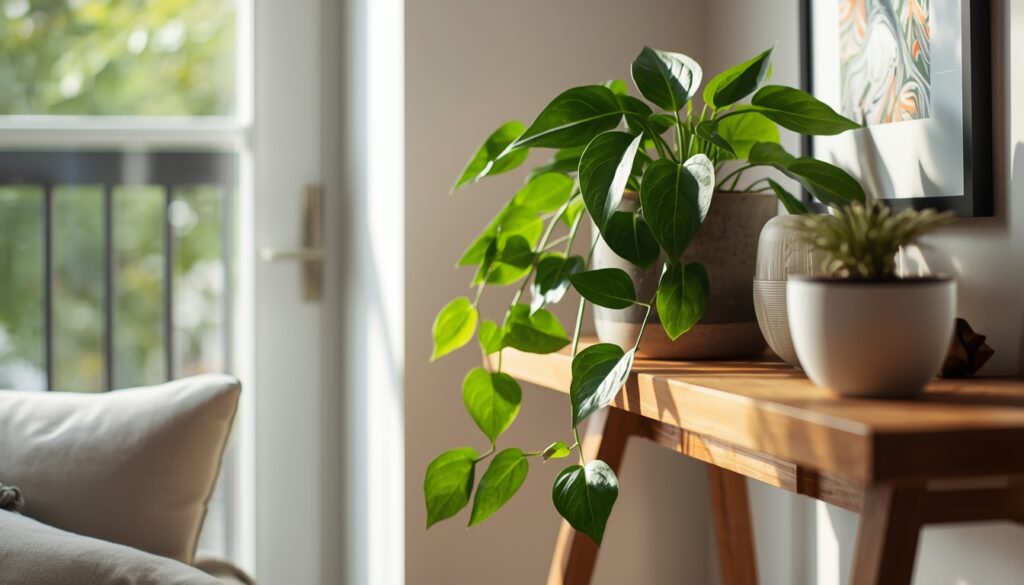
You walk over to your favorite houseplant one morning and find a little pile of leaves scattered on the floor. Your stomach sinks. What went wrong?
Here’s the truth, plant shedding is one of the most searched houseplant concerns among indoor gardeners across the US, and the overwhelming majority of cases are completely fixable once you know what to look for. Whether you own a moody fiddle leaf fig, a resilient pothos, or a beloved jade plant, dropping leaves is simply your plant communicating that something in its world needs adjusting.
This complete guide covers every reason your plant is dropping leaves, how to accurately diagnose the problem, and the exact steps to bring it back to full health. Let’s dig in.
Plant shedding often happens because of simple care mistakes. If you’re unsure about watering habits, check our guide on how to water indoor plants correctly.
What Is Plant Shedding?
Plant shedding refers to the process of a plant losing its leaves,whether gradually over time or suddenly all at once. Not every instance of leaf drop is cause for alarm. Outdoor trees losing leaves in autumn is a perfectly natural biological cycle. A few yellowing lower leaves on your pothos here and there? That’s just normal growth.
The real concern begins when leaves fall in large numbers, drop while still fully green, or turn brown and crispy before falling. That kind of shedding signals stress, and your plant needs attention.
Natural Shedding vs Stress Shedding- Know the Difference
Natural Shedding
- Happens slowly and gradually
- Affects older leaves at the bottom of the plant
- Occurs mostly in autumn and early winter
- Plant otherwise looks healthy and stable
Stress Shedding
- Happens rapidly, sometimes overnight
- Affects leaves throughout the plant, including newer growth
- Can happen in any season
- Often accompanied by yellowing, browning, wilting, or spots
Understanding which type you’re dealing with is the first step toward solving the problem correctly.
14 Reasons Your Plant Is Dropping Leaves
1. Overwatering –The Number One Cause
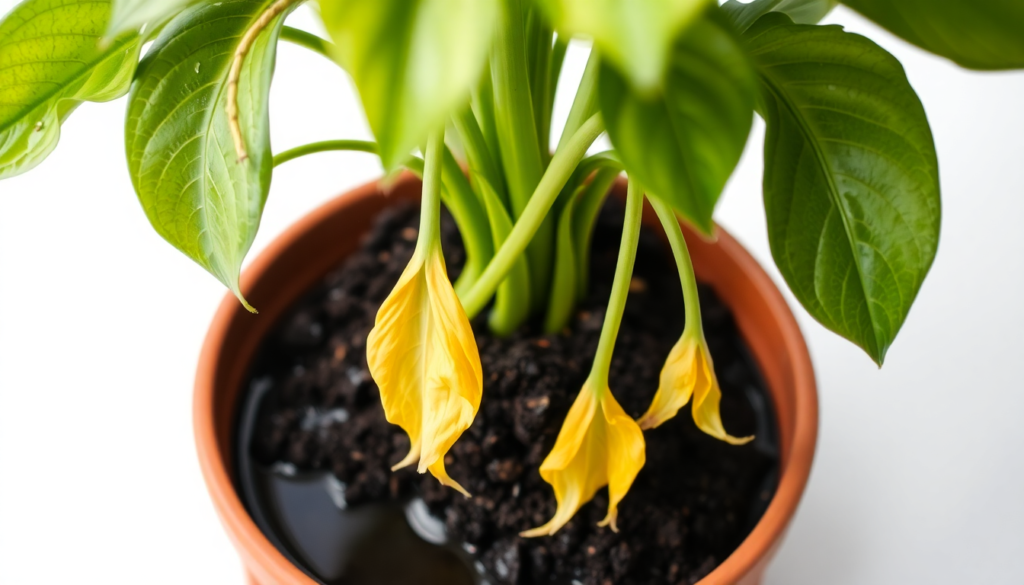
Overwatering is by far the most common reason houseplants drop leaves in the US. When roots sit in soggy soil for too long, they begin to rot and lose their ability to deliver water and nutrients to the rest of the plant. The plant responds by shedding leaves to reduce the load it needs to support.
Many plant owners struggle to identify watering problems. Our guide on signs of overwatering vs underwatering explains the difference clearly.
Signs: Yellowing leaves, soggy soil, musty smell from the pot, brown mushy roots.
Fix: Push your finger two inches into the soil. If moisture is still present, hold off watering entirely. Always ensure your pot has drainage holes and never let your plant sit in standing water.
2. Underwatering – Dehydration Leaf Drop
A plant that doesn’t get enough water will also drop leaves, but the signs look different. Leaves become dry, curl inward, feel crispy, and drop off rather than turning soft and yellow.
Signs: Bone-dry soil, crispy leaf edges, lightweight pot, leaves curling before dropping.
Fix: Water slowly and deeply until water flows freely from the drainage holes. Going forward, establish a consistent watering routine based on each plant’s individual needs rather than a fixed schedule.
3. Wrong Soil Type
This is one of the most overlooked causes of plant shedding, and competitors rarely cover it. Using heavy, non-draining soil traps moisture around the roots even when you’re watering correctly. The result mimics overwatering damage regardless of how careful you are.
Signs: Water pools on the surface and drains slowly. Soil stays wet for more than a week after watering.
Fix: Repot your plant using a well-draining potting mix appropriate for its type. Succulents and cacti need sandy, gritty soil. Tropical plants thrive in a peat or coco coir mix with added perlite for drainage.
4. Insufficient Light
When a plant can’t receive enough light to photosynthesize properly, it begins dropping leaves to conserve energy. This is especially common in north-facing US apartments or rooms where windows are blocked by neighboring buildings or trees.
If your home doesn’t receive much sunlight, consider choosing low light indoor plants for apartments that thrive in dim spaces.
Signs: Leaves pale or yellowing, leggy stretched growth, slow or stopped growth overall.
Fix: Move your plant progressively closer to a brighter window. If natural light is severely limited, a basic LED grow light running six to eight hours daily can completely transform your plant’s health.
5. Temperature Stress and Cold Drafts
Most popular houseplants are tropical in origin, meaning they prefer stable warm conditions. A cold draft from a window, an air conditioning vent blowing directly on leaves, or a heating vent causing hot dry air can all trigger rapid leaf drop, sometimes within twenty-four hours.
Signs: Sudden leaf drop with no obvious watering issue, leaves near a window or vent affected most.
Fix: Keep plants away from exterior walls in winter, AC vents, and heating registers. The ideal temperature range for most tropical houseplants is between 60°F and 75°F. Avoid placing plants anywhere temperatures fluctuate dramatically between day and night.
6. Repotting Shock
If your plant started shedding leaves within days of being repotted, transplant shock is almost certainly the reason. Repotting disturbs the root system and forces the plant to redirect all its energy toward re-establishing roots rather than maintaining foliage.
Signs: Leaf drop begins within one to two weeks of repotting, plant looks otherwise healthy with no pests or watering issues.
Fix: Place the plant in bright indirect light after repotting. Water lightly and skip fertilizer entirely for four to six weeks. Transplant shock typically resolves on its own within two to three weeks as long as you don’t overintervene.
7. Pest Infestation
Spider mites, mealybugs, fungus gnats, aphids, and scale insects are all common houseplant pests that cause significant leaf damage and drop. These pests drain the plant’s sap, leaving it weakened and unable to maintain its foliage.
Signs: Sticky residue on leaves or nearby surfaces, fine webbing, tiny moving dots on leaf undersides, distorted or spotted new growth.
Fix: Inspect every leaf, top and bottom, carefully. Treat with neem oil spray or insecticidal soap immediately and repeat every five to seven days for three weeks. Isolate the affected plant from all others as soon as you spot the problem.
8. Root Bound Condition
A plant that has outgrown its pot develops roots that circle tightly with nowhere to expand. Root-bound plants struggle to absorb water and nutrients efficiently, which eventually leads to chronic stress and steady leaf drop.
Signs: Roots visibly growing out of drainage holes, roots circling the surface of the soil, plant dries out unusually quickly after watering.
Fix: Move up one pot size only, about two inches wider in diameter than the current pot. Going too large too quickly causes a different set of problems. Spring is the ideal time to repot most houseplants.
9. Inconsistent Watering
Watering heavily one week and then forgetting for the next two creates a boom-and-bust cycle that stresses the plant’s root system. This kind of inconsistency is surprisingly damaging and leads directly to leaf drop even when the total amount of water given seems adequate.
Fix: Use a plant care app like Greg or Planta to build a consistent reminder system. Check soil moisture on the same days each week rather than watering by a fixed schedule.
10. Low Humidity
Tropical houseplants, pothos, monsteras, calatheas, peace lilies, evolved in humid environments. US homes in winter, running central heating constantly, can see indoor humidity drop to 20–30%. The ideal humidity range for most tropical houseplants is 50–60%. Anything below 40% causes stress and leaf drop over time.
Signs: Leaf tips turning brown and crispy, leaves curling, increased shedding during winter months.
Fix: Group plants together so they share moisture through transpiration. Add a pebble tray filled with water beneath pots. For serious cases, a small ultrasonic humidifier placed near your plant area makes an immediate noticeable difference.
11. Nutrient Deficiency
Soil nutrients deplete over time. A plant sitting in the same potting mix for two or more years without fertilizing is essentially running on empty. Nitrogen deficiency in particular causes steady yellowing and drop of older leaves as the plant pulls nutrients from them to feed new growth.
Yellowing leaves often appear before shedding starts. Our guide on why plant leaves turn yellow explains the most common causes.
Fix: During spring and summer, apply a balanced liquid fertilizer (10-10-10 or 20-20-20) diluted to half strength every two to four weeks. Ease off completely from October through February when most plants rest.
12. Overfeeding — Fertilizer Burn
Too much fertilizer creates salt buildup in the soil that burns roots and mimics drought stress. Leaves develop brown tips and edges before dropping, even when watering is perfectly adequate.
Signs: Brown crusty deposits on soil surface, leaf tip burn, leaf drop despite consistent watering.
Fix: Flush the soil thoroughly by running plain water through the pot for several minutes to wash out excess salts. Wait at least six to eight weeks before fertilizing again, and always dilute fertilizer to half the recommended strength.
13. Fungal and Bacterial Disease
This is a gap most competing articles miss entirely. Fungal diseases like leaf spot, root rot fungus, and powdery mildew can all cause significant leaf drop. These diseases thrive in humid, poorly ventilated conditions and spread quickly if left untreated.
Signs: Dark or water-soaked spots on leaves, white powdery coating on leaf surfaces, leaves yellowing with irregular brown patches, musty soil smell.
Fix: Remove and dispose of all visibly affected leaves immediately, do not compost them. Improve air circulation around the plant. Treat with a copper-based fungicide or a diluted hydrogen peroxide soil drench for root-level fungal issues. Avoid misting plants that are prone to fungal problems.
14. Natural Seasonal Shedding
Some leaf drop is simply nature doing its thing. As daylight shortens in autumn and winter, many houseplants slow their growth cycle and shed a few older leaves as part of normal seasonal adjustment. This is not a problem, it’s biology.
How to tell: Only a few older bottom leaves dropping, no discoloration or spots, plant is otherwise growing normally.
What to do: Nothing. Monitor and trust the process. If leaf drop accelerates or spreads to newer leaves, then investigate further.
Seasonal Leaf Drop – Is It Normal?
Absolutely, and this surprises many first-time plant owners. Indoor plants respond to seasonal light changes just like outdoor plants do, even inside a warm apartment. As days get shorter in fall and winter, plants naturally slow down, conserve energy, and drop a few older leaves.
Jade plants, ficus trees, umbrella plants, and certain ficus varieties are particularly known for this. Jade plant leaves falling off in late autumn, for instance, is often nothing more than the plant preparing for its winter rest, especially if nighttime temperatures in your home dip slightly.
The simple rule: gradual loss of a few older leaves in autumn equals normal. Rapid widespread dropping in spring or summer equals investigate immediately.
How to Diagnose Your Plant’s Problem – Step by Step
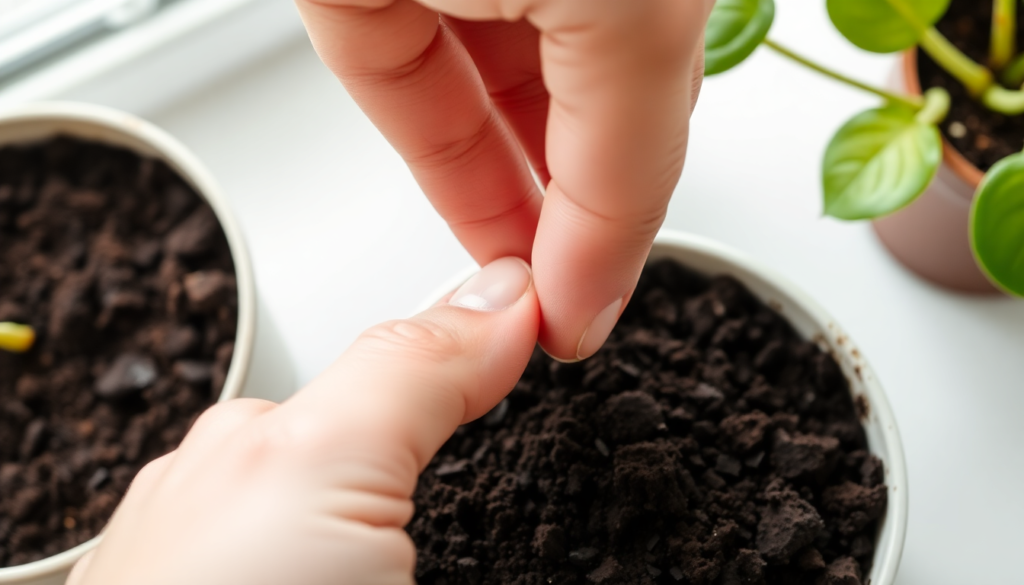
Step 1– Check the Soil
Wet and soggy = overwatering. Completely dry and pulling away from pot edges = underwatering. Slow-draining and compacted = wrong soil type.
Step 2 – Read the Leaves Before They Fall
- Yellow and soft = overwatering or nutrient issue
- Brown and crispy = underwatering, low humidity, or fertilizer burn
- Spotted or patchy = pest damage or fungal disease
- Green but dropping = shock, cold draft, or sudden environmental change
Step 3 – Inspect Leaf Undersides
Use a magnifying glass if needed. Look for tiny moving dots, webbing, sticky coating, or white fluffy clusters, all signs of pest infestation.
Step 4 – Examine the Roots
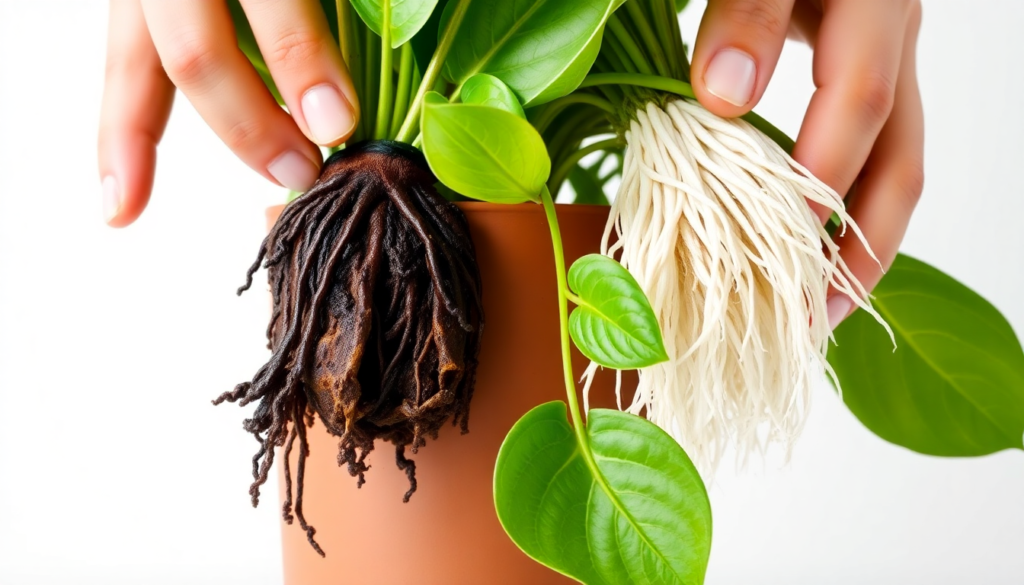
Carefully remove the plant from its pot. Healthy roots are white or tan and firm. Black, brown, and mushy roots indicate root rot. Tightly circling roots mean the plant is root bound.
Step 5 – Think About Recent Changes
Has anything changed in the last two to four weeks? Repotting, moving to a new location, change in watering habits, new fertilizer, season change? Environmental disruption is the number one overlooked trigger.
Working through these five steps takes less than ten minutes and will point you toward the cause in nearly every situation.
How to Save a Dying Plant
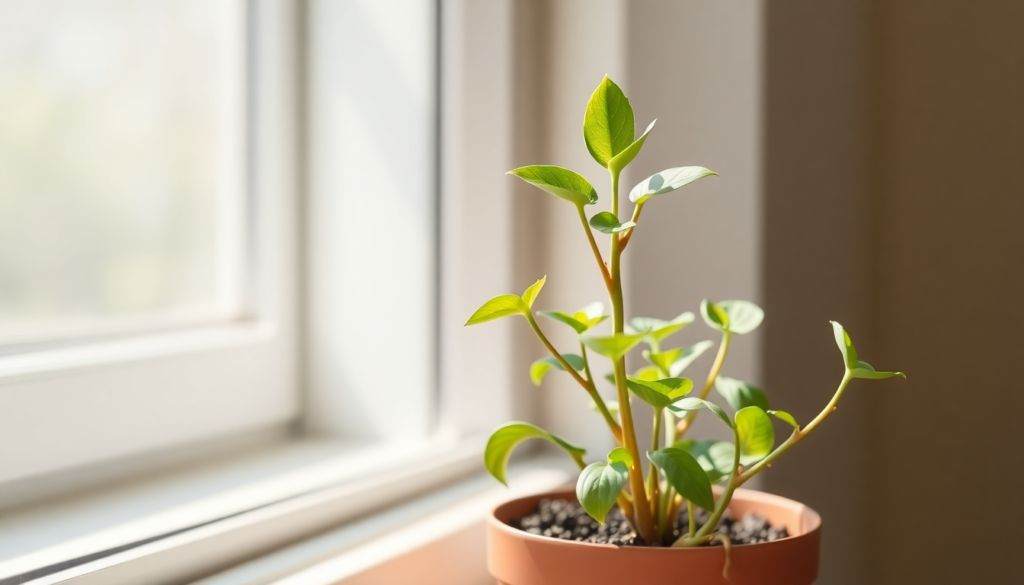
If your plant has lost most of its leaves and looks close to the end, don’t give up yet. Here’s how to attempt a recovery:
Step 1 – Check for Life
Scratch a small section of the main stem near the base with your fingernail. If you see green underneath, the plant is still alive. If it’s brown and dry all the way through, recovery may not be possible.
Step 2 – Remove All Dead Material
Cut away dead leaves, brown stems, and any visibly rotten roots with clean scissors or pruning shears. This allows the plant to focus all remaining energy on healthy growth.
Step 3 – Address the Root Cause
Fix whichever problem caused the decline, repot if root rot is present, adjust watering, move to better light, treat for pests. No recovery is possible until the underlying cause is resolved.
Step 4 – Provide Stable Recovery Conditions
Place the plant in bright indirect light. Avoid direct sun while it’s recovering. Maintain consistent room temperature and humidity. Water only when the top inch of soil is dry.
Step 5 – Be Patient
New growth after a major recovery can take four to eight weeks to appear. Don’t fertilize during this period. The first sign of a new leaf or bud is a strong indicator that your plant has turned the corner.
Plants Most Likely to Drop Leaves Indoors
High Maintenance — Drop Leaves Easily
- Fiddle Leaf Fig,
Drops leaves at the slightest environmental change. Hates being moved.
- Calathea
Extremely sensitive to low humidity and inconsistent watering.
- Ficus
Famous for dramatic leaf drop after being relocated even a few feet.
Moderate – Drop Leaves Under Specific Stress
- Jade Plant
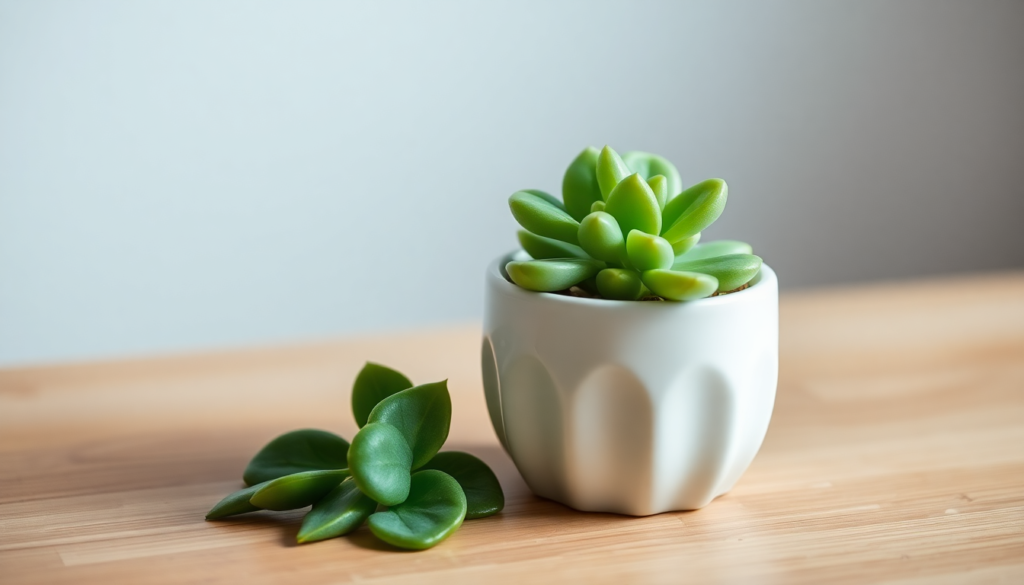
Leaves fall when overwatered or exposed to cold. Recovers well once conditions improve.
- Peace Lily
Droops and drops when underwatered but bounces back quickly with a good drink.
- Happy Bean Plant
Happy bean plant dropping leaves almost always signals overwatering or poor drainage.
- Pothos
Tough overall but will shed under severe drought or heavy pest pressure.
Beginner-Friendly — Rarely Drop Leaves
- Snake Plant
Tolerates neglect, low light, and irregular watering exceptionally well.
- ZZ Plant
Nearly indestructible. Drops leaves only under extreme overwatering.
- Spider Plant
Forgiving and adaptable. Rarely sheds unless completely ignored.
Expert Insight
“The single most overlooked trigger for indoor plant leaf drop, especially in US apartments, is an abrupt environmental shift rather than a watering mistake. Moving a plant from a bright sunny window to a dim corner, placing it near a heating vent in January, or bringing it home from a warm greenhouse into a cool apartment can all cause rapid shedding within days. Before adjusting your watering routine, ask yourself first: did anything change in my plant’s environment recently? That single question solves the mystery more often than any other fix.”
Buying Guide – How to Choose a Healthy Plant That Won’t Shed Right Away
What to Look For
- Leaves
Choose plants with deep green, firm, spot-free leaves. Avoid yellowing, browning edges, or any visible sticky residue.
- Roots
Check the drainage holes. Roots visibly escaping the pot mean the plant is already stressed.
- Stems
Should be firm and upright, not soft, leggy, or leaning significantly.
- Soil
Avoid plants sitting in soaking wet soil at the store, a sign of poor drainage or overwatering.
Who Should Buy What
| Experience Level | Best Plant Choices |
| Beginner | Snake plant, pothos, spider plant, ZZ plant |
| Intermediate | Monstera, peace lily, rubber plant, philodendron |
| Experienced | Fiddle leaf fig, calathea, orchids, bird of paradise |
One Important Rule
Always quarantine any new plant for two full weeks before placing it near your existing collection. Pests from new plants spread remarkably fast and can devastate a healthy collection within days.
FAQs
Q1: Is it normal for indoor plants to drop leaves in winter?
Yes, seasonal leaf drop is completely normal for many houseplants. As daylight hours shorten in autumn and winter, plants naturally slow their growth and shed a few older leaves. If only the lower, older leaves are falling and the plant otherwise looks stable, this is seasonal adjustment. Rapid or widespread dropping in winter, however, needs investigation.
Q2: Why are my jade plant leaves falling off suddenly?
Jade plants are succulents that store water directly in their leaves. Overwatering is the most common cause of sudden leaf drop in jade plants, as excess soil moisture leads to root rot that cuts off the plant’s nutrient supply. Allow the soil to dry out completely between waterings and ensure the pot drains freely.
Q3: Why is my happy bean plant dropping leaves?
Happy bean plant leaf drop is almost always caused by overwatering or a pot that retains too much moisture without adequate drainage. These plants prefer their soil to dry out slightly between waterings. Reduce your watering frequency and check that your pot has functioning drainage holes.
Q4: How do I stop my plant from dropping leaves after repotting?
Transplant shock after repotting is normal and typically resolves within two to three weeks on its own. Place the plant in stable bright indirect light, water lightly, avoid all fertilizer for four to six weeks, and resist moving it again during recovery. Patience is the most effective treatment.
Q5: Can a plant fully recover after losing most of its leaves?
Yes, provided the stems are still green and firm when scratched, the plant is alive and capable of full recovery. Remove all dead material, correct the underlying cause, provide stable care conditions, and new growth will typically begin appearing within four to eight weeks.
Conclusion
Plant shedding is rarely the end of the story it,’s the beginning of a conversation between you and your plant. Every dropped leaf is a signal, and now you have the knowledge to read those signals accurately and respond with confidence.
Whether the problem turns out to be overwatering, a cold draft, the wrong soil mix, a hidden pest, or simply a natural seasonal cycle, the solution is almost always within reach. The key is acting early, diagnosing before assuming, and giving your plant the stable consistent care it needs to recover.
Stay observant, check in on your plants regularly, and never wait until the damage is severe before taking action. Small adjustments made early save plants that might otherwise be lost.
Found this guide helpful? Explore our related articles on the [best low light indoor plants for apartments], [how to repot a houseplant correctly], and [signs of overwatering vs underwatering] for more practical plant care tips. Your indoor garden is worth the effort.