Most people think watering a houseplant is simple, but the method you use matters just as much as how often you water. In this guide, you’ll learn the 5 best watering methods for houseplants, the right watering schedule, and how to keep your indoor plants, low light plants, and tropical varieties healthy all year long.Most people struggle with over-watering and under-watering before they find the right watering method for their plants.
Most people try different watering methods for houseplants before they find what actually works for their specific plants. Some overwater, some forget to water entirely, and most never think about whether their technique is even right for the type of plant they own. Choosing the best watering methods for houseplants from the start saves you a lot of trial and error.
Why your Watering Method Matters More Than You Think
A lot of indoor plant owners focus almost entirely on how much water to give. But the method of delivery makes a huge difference too.
Watering from the top too quickly causes water to rush straight through without being absorbed by the roots.
Watering too close to the stem encourages rot at the base.
Watering without checking soil moisture first creates a cycle of stress that slowly weakens the plant over weeks.
The right watering method delivers moisture exactly where the roots need it, at the right depth, and at the right pace.
Get this right and your plants will show you the difference almost immediately. Fuller leaves, stronger growth, and far less yellowing or dropping.
What to Know Before You Water Any Houseplant
Before jumping into the methods themselves, there are a few fundamentals that apply to every single technique on this list.
Check Soil Moisture First, Always
This is the single most important habit in any houseplant watering guide.
Push your finger two inches into the soil before every single watering session.
Still moist? Wait. Dry at that depth? Time to water.
This one habit alone prevents the majority of both overwatering and underwatering problems that plant owners across the US deal with every day.
Know Your Plant’s Watering Requirements
Different plants have very different watering requirements for houseplants.
A cactus sitting in the same room as a peace lily needs water on a completely different schedule.
Succulents and snake plants want to dry out completely between waterings.
Tropical plants like pothos and monsteras prefer the top two inches to dry before getting another drink.
Moisture loving plants like calatheas and ferns want consistently moist soil, but never soggy conditions.
Knowing your specific plant’s needs before choosing a watering method saves you from a lot of unnecessary trouble.
Always Use Pots with Drainage Holes
No matter which watering method you choose, drainage holes are non negotiable.
Without them, water collects at the bottom of the pot and creates exactly the kind of soggy conditions that cause root rot, regardless of how carefully you water from the top.
5 Best Watering Methods for Houseplants
Method 1, Top Watering (The Classic Method)
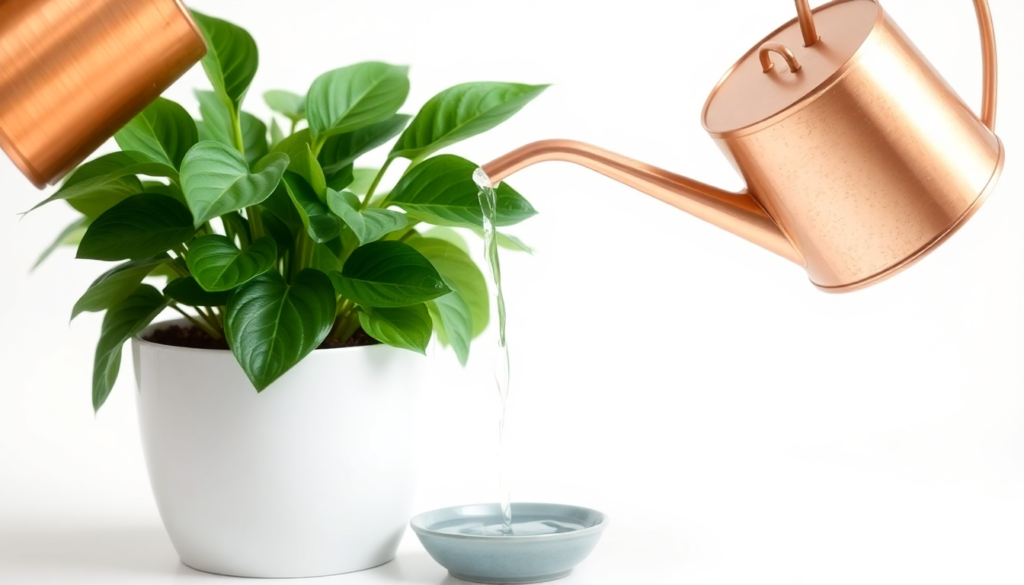
Top watering is exactly what it sounds like. You pour water directly onto the soil surface from above and let it drain through the bottom of the pot.
This is the most common method and works well for the majority of popular houseplants including pothos, monsteras, snake plants, rubber plants, and fiddle leaf figs.
How to do it correctly:
Pour water slowly and evenly across the entire soil surface, not just one spot in the center.
Water until you see it flowing freely from the drainage holes at the bottom.
Empty the saucer after 30 minutes so the plant is not sitting in standing water.
Why it works:
Slow thorough top watering pushes air out of the soil and draws fresh oxygen back in as the water drains. This is actually really important for healthy root development that most people never think about.
When it goes wrong:
The most common top watering mistake is watering too quickly so the water channels straight through without soaking the root zone at all.
Always water slowly. Give the soil time to actually absorb the moisture rather than just running it through fast.
Best for: Pothos, monstera, fiddle leaf fig, rubber plant, snake plant, ZZ plant
Avoid for: Plants prone to crown rot like African violets. Water hitting the leaves and crown repeatedly causes fungal damage over time.
Method 2, Bottom Watering (The Root Strengthening Method)
Bottom watering is one of the most underused methods in the US, and honestly one of the most effective ones for a wide range of houseplants.
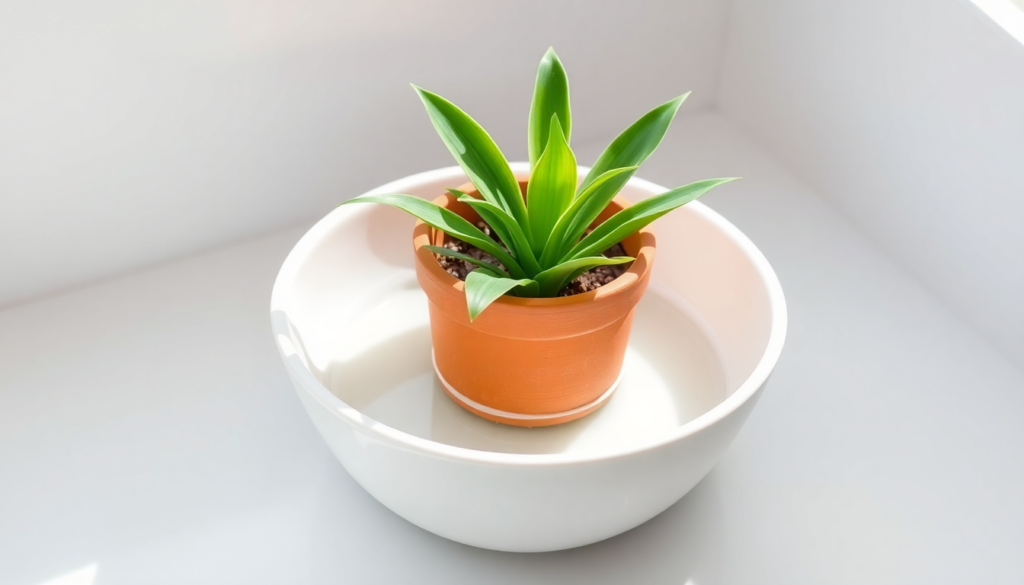
Instead of pouring water from the top, you place the pot directly into a tray or basin of water and let the soil absorb moisture upward through the drainage holes naturally.
I switched to bottom watering for all my tropical plants about two years ago and the difference in root health was genuinely noticeable within a couple of months.
How to do it correctly:
Fill a tray, basin, or sink with about 2 to 3 inches of room temperature water.
Place your potted plant directly into the water.
Leave it for 20 to 45 minutes depending on pot size. Smaller pots need less time and larger pots need more.
Lift the pot out and let excess water drain completely before returning it to its usual spot.
Why it works:
Bottom watering encourages roots to grow downward toward the moisture source, which creates a stronger and deeper root system over time.
It also keeps the soil surface dry, which dramatically reduces fungus gnat problems. This is a massive bonus for US apartment dwellers.
When it goes wrong:
Leaving the pot soaking for too long causes the same waterlogging problems as overwatering from the top.
Set a timer and do not forget about it.
Best for: African violets, succulents, seedlings, calathea, snake plant, any plant prone to crown rot
Avoid for: Very large heavy pots that are difficult to move safely in and out of a basin.
Method 3, Self Watering Pots (The Set and Forget Method)
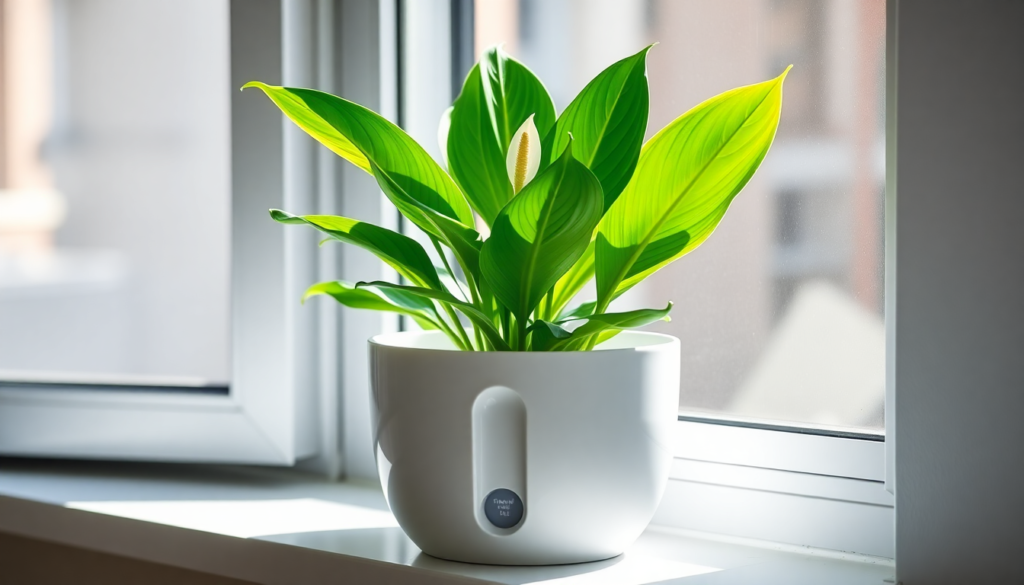
Self watering pots have a built in water reservoir at the base that delivers moisture to the roots on demand through a wicking system.
The plant pulls water up from the reservoir only when the soil begins to dry, which means it essentially waters itself between your top ups.
This method has become increasingly popular in the US in 2026, especially among busy apartment dwellers and first time plant owners who struggle with consistency.
How to use them correctly:
Fill the reservoir through the designated fill tube, not from the top of the soil.
Check the reservoir level every 7 to 14 days depending on the plant and season.
Every few months, water from the top once to flush out any salt or mineral buildup from the soil.
Why it works:
Self watering pots deliver a consistent and steady supply of moisture directly to the root zone, which is exactly what most tropical houseplants want.
They eliminate the boom and bust watering cycle that causes so much stress for plants managed on irregular schedules.
My personal experience:
I started using self watering pots for my peace lilies and calatheas. Both plants are notorious for being dramatic about inconsistent watering. They have not dropped a single leaf in over eight months.
For anyone who travels frequently or works long hours, this method is genuinely life changing for plant survival rates.
Best for: Peace lily, calathea, pothos, herbs, spider plant, ferns
Avoid for: Succulents, cacti, snake plants, ZZ plants. These plants need dry periods between waterings that self watering pots do not provide.
Method 4, Drip Watering System (The Vacation Method)
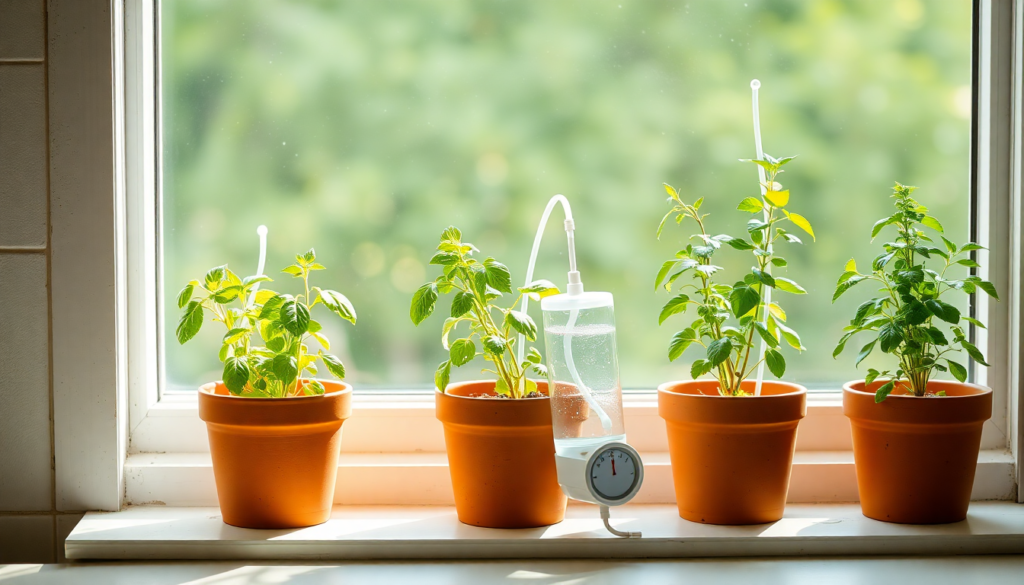
A drip watering system delivers water slowly and steadily to your plants through small tubes or spikes connected to a water source, either a central reservoir or individual water spike bottles pushed directly into the soil.
This method is particularly useful for anyone who travels frequently or has a large collection of plants that would be difficult to water individually every few days.
How to set it up correctly:
For small individual plants, use ceramic or terracotta water spike bottles filled with water and pushed into the soil. They release water slowly over several days as the soil dries.
For larger collections, a basic drip irrigation kit with a timer and thin tubing running to each pot delivers consistent moisture automatically without any daily involvement.
Why it works:
Drip systems deliver water at a slow steady rate that gives soil time to absorb moisture properly rather than rushing through.
For plants with high watering requirements, automated drip systems maintain consistent moisture levels far more reliably than manual watering, especially across a large collection.
Best for: Herb gardens, large plant collections, plants during vacations, ferns, tropical plants with consistent moisture needs
Avoid for: Succulents and drought tolerant plants that need dry periods. Drip systems can easily overwater these.
Method 5, Misting and Humidity Trays (The Tropical Boost Method)
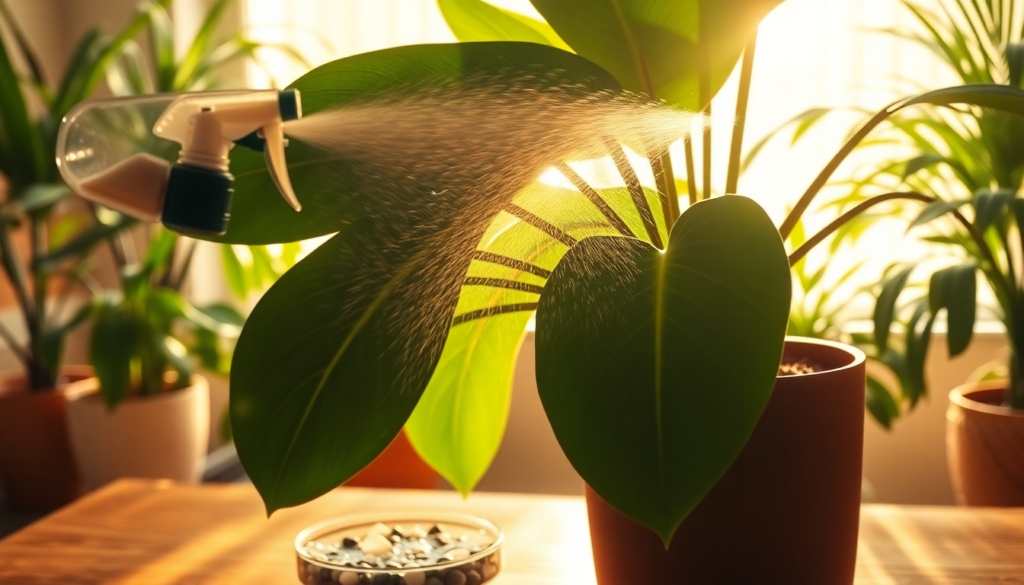
Misting and humidity trays do not replace regular watering. They work alongside your primary watering method to increase the moisture level in the air around your plants.
This is especially important for tropical houseplants living in US homes where indoor humidity drops significantly during winter heating season.
How to mist correctly:
Use a fine mist spray bottle filled with room temperature water.
Mist in the morning so leaves dry completely before evening. Wet leaves sitting overnight create ideal conditions for fungal disease.
Hold the bottle 12 to 18 inches away from the plant and mist evenly around the foliage rather than drenching individual leaves.
How to set up a humidity tray:
Fill a shallow tray with small pebbles or gravel.
Add water until it reaches just below the top of the pebbles. The pot should sit on top of the pebbles, not directly in the water.
As the water evaporates it creates a consistent humidity zone immediately around your plants.
Why it works:
Most tropical houseplants thrive in 50 to 60 percent humidity.
US apartments running central heating in winter often drop to 20 to 30 percent humidity, well below what these plants actually need.
Misting and humidity trays bridge that gap without requiring an expensive humidifier.
My experience:
I added pebble humidity trays under all my tropical plants last winter and the difference was dramatic. Barely any leaf drop compared to the previous winter when I was not using them at all.
Best for: Calathea, ferns, orchids, peace lily, monstera, pothos, any tropical plant
Important note: Do not use misting as a substitute for watering. It adds surface moisture to leaves but does nothing meaningful for the root zone.
Best Watering Schedule for Houseplants
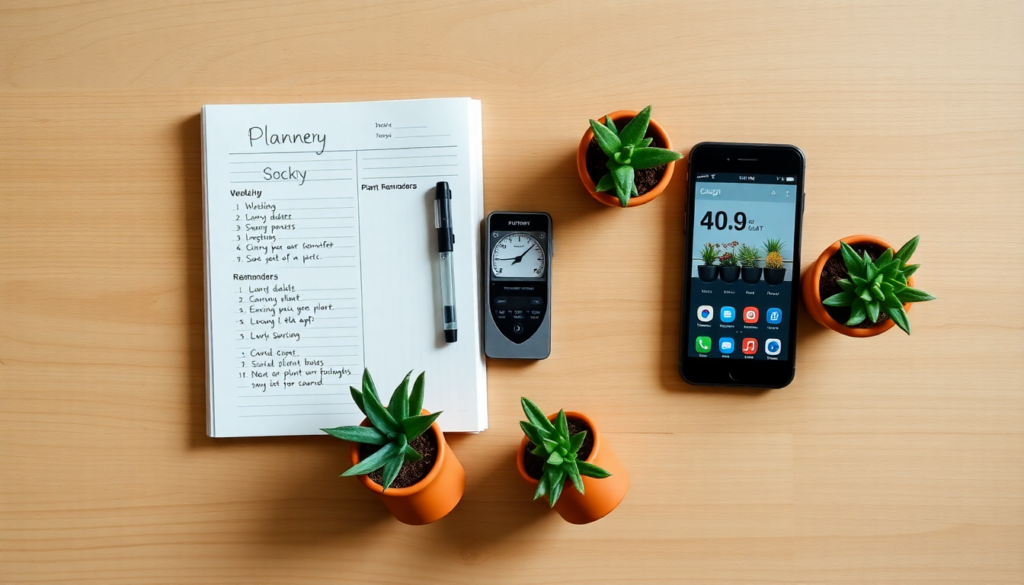
One of the most common questions in any houseplant watering guide is how often you should actually water your plants.
The honest answer is that there is no single correct schedule.
The best watering schedule for houseplants depends on your specific plant type, pot size, soil mix, light levels, season, and the humidity in your home.
That said, here is a practical general framework that works well for most US indoor plant owners as a starting point.
| Plant Type | Spring and Summer | Fall and Winter | Method |
| Tropical plants, pothos, monstera | Every 7 to 10 days | Every 10 to 14 days | Top or bottom watering |
| Succulents and cacti | Every 14 to 21 days | Every 21 to 30 days | Top watering only |
| Ferns and calathea | Every 5 to 7 days | Every 7 to 10 days | Bottom or humidity tray |
| Peace lily | Every 7 days | Every 10 days | Self watering pot |
| Snake plant | Every 14 to 21 days | Every 21 to 30 days | Top watering |
| ZZ plant | Every 14 to 21 days | Every 30 days | Top watering |
| Fiddle leaf fig | Every 7 to 10 days | Every 10 to 14 days | Top watering |
| Herbs, indoor | Every 3 to 5 days | Every 5 to 7 days | Drip or top watering |
Always treat this as a starting guide. Check soil moisture every time before actually watering regardless of what the schedule says.
Best Time to Water Houseplants
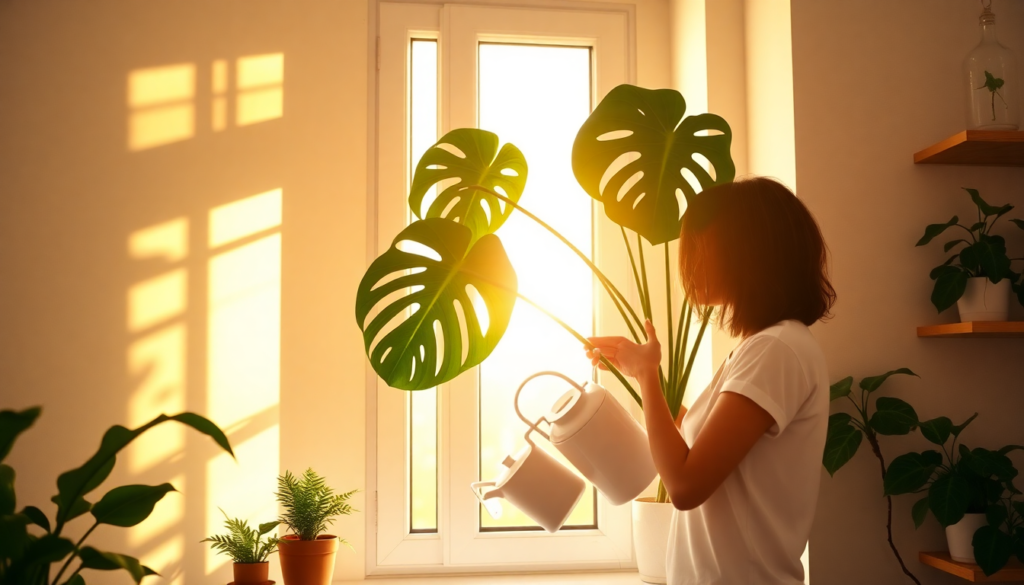
The best time to water houseplants is in the morning, and there are solid practical reasons for this.
Morning watering gives the plant the moisture it needs to support active photosynthesis and growth throughout the day when light levels are at their highest.
Any water that splashes on leaves during morning watering evaporates naturally as the day warms up, which significantly reduces the risk of fungal disease compared to evening watering when leaves stay wet overnight.
Morning watering also means that if you accidentally overwater slightly, the warmth of the day helps the soil begin drying out faster rather than sitting in moisture all night.
If morning is not possible, midday or early afternoon is the next best option.
Avoid watering late in the evening whenever you can, especially for plants like African violets, calatheas, and orchids that are particularly prone to fungal issues when their leaves stay wet overnight.
Best Water for Watering Houseplants
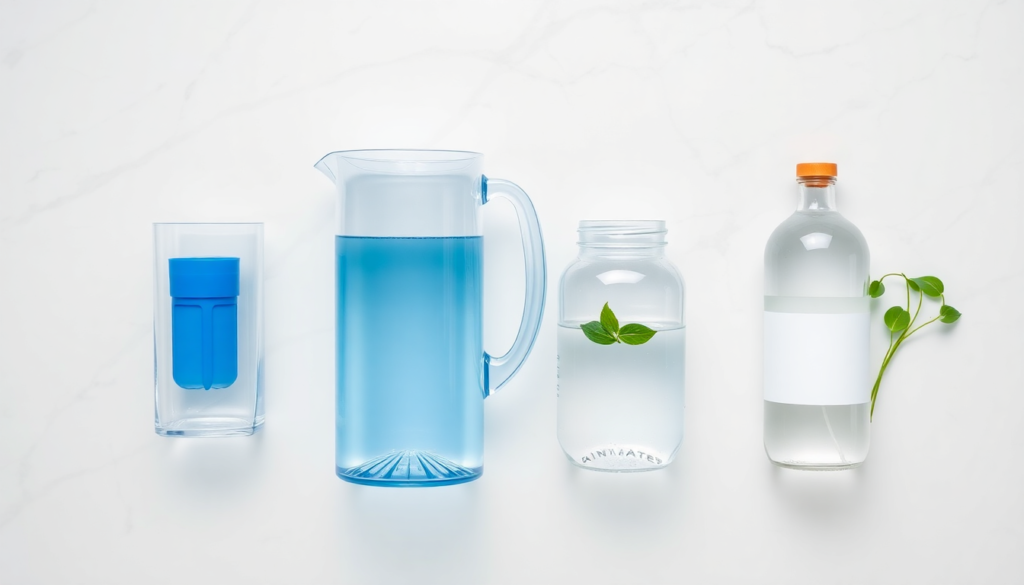
The type of water you use genuinely affects plant health over time, and this is something most basic houseplant watering guides completely skip over.
Room Temperature Tap Water
Works fine for the majority of houseplants.
The one thing to watch is chlorine and fluoride content. Both are present in US municipal water and can accumulate in soil over time, occasionally causing leaf tip burn in sensitive plants like spider plants and calatheas.
Simple fix: Fill your watering can the night before and let it sit out overnight. Chlorine naturally dissipates within a few hours at room temperature.
Filtered Water
Better than straight tap water for sensitive plants.
A basic pitcher filter removes chlorine, fluoride, and many heavy minerals that can gradually affect soil chemistry.
Worth using for calatheas, orchids, spider plants, and peace lilies if you notice persistent brown leaf tips despite correct watering habits.
Rainwater
The absolute best water for watering houseplants if you can collect it.
Rainwater is naturally soft, slightly acidic, and free of the salts and minerals that accumulate from tap water over time.
Plants watered regularly with rainwater typically show noticeably richer leaf color and stronger growth.
Distilled Water
A good option for extremely sensitive plants like orchids and carnivorous plants.
Completely mineral free, but for everyday houseplants it is more effort and expense than necessary.
What to Avoid
Never use water that has been softened by a salt based water softener. The sodium content builds up in soil and is genuinely damaging to plant roots over time.
Cold water straight from the tap can also shock tropical plant roots. Always use room temperature water.
Watering Requirements for Houseplants by Type
Understanding the specific watering requirements for houseplants by category helps you pick the right method and schedule instantly.
High Water Needs, Water Frequently
These plants like consistently moist soil and struggle quickly when they dry out completely.
Plants: Ferns, calathea, peace lily, orchids when in bloom, herbs, bird of paradise
Best methods: Bottom watering, self watering pots, humidity trays alongside regular watering
Medium Water Needs, Water Moderately
These are the most forgiving group. They like to partially dry out between waterings but can handle minor inconsistency without major drama.
Plants: Pothos, monstera, philodendron, rubber plant, spider plant, fiddle leaf fig
Best methods: Top watering, bottom watering, self watering pots
Low Water Needs, Water Infrequently
These plants store water internally and need generous dry periods between waterings. Overwatering is the primary risk.
Plants: Succulents, cacti, snake plant, ZZ plant, jade plant, aloe vera
Best methods: Top watering only. Allow complete soil drying between each session.
Most Common Watering Mistakes to Avoid
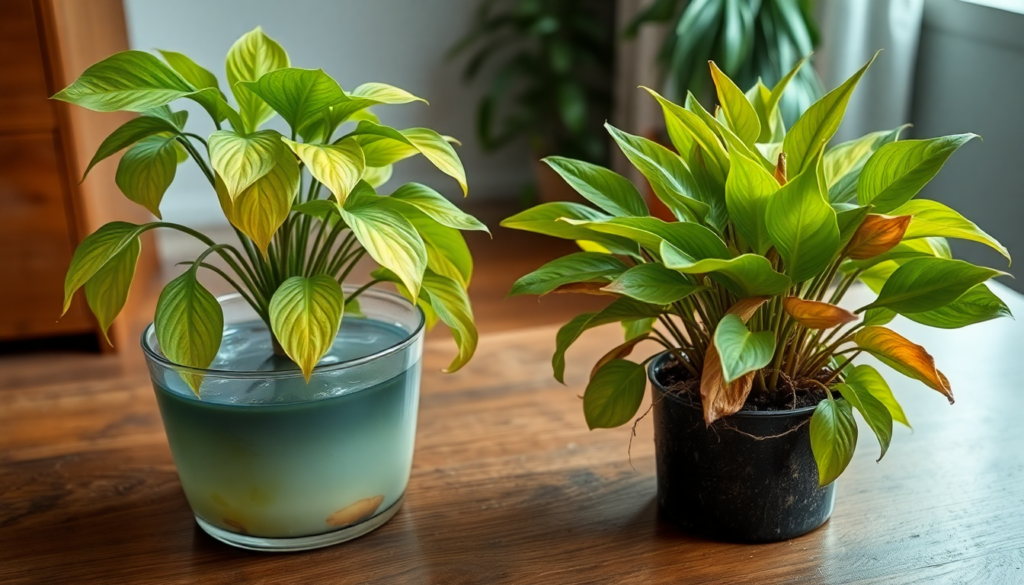
Even with the right method, these common plant watering mistakes undo a lot of good work.
Watering on a Fixed Schedule Without Checking Soil
The number one mistake. Your plant does not know what day it is.
Always check soil moisture first. The schedule is just a rough guide, not a rule.
Using Cold Water Straight from the Tap
Cold water shocks tropical plant roots and can cause temporary wilting and leaf drop.
Always let tap water reach room temperature before using it.
Watering the Leaves Instead of the Soil
Water belongs at soil level where the roots are, not on top of leaves where it encourages fungal problems.
Aim your watering can spout toward the base of the plant.
Leaving Plants Sitting in Water
Whether you bottom water or top water, always remove standing water from saucers within 30 minutes.
Roots sitting in water even briefly after watering creates the exact conditions that trigger root rot.
Watering All Plants the Same Way
A monstera and a cactus sitting on the same shelf have completely different watering requirements.
Treat every plant as an individual based on its type, pot size, and the specific conditions in your home.
Ignoring Seasonal Changes
Plants slow down dramatically in fall and winter.
The same plant that needed water every seven days in summer may only need water every fourteen to twenty one days in winter.
Failing to adjust your watering frequency seasonally is one of the most common reasons plants decline through the colder months.
Not every plant needs the same approach, which is exactly why learning the best watering methods for houseplants makes such a big difference in the long run. Once you match the right method to the right plant, you will notice stronger growth, healthier leaves, and far fewer problems with overwatering or underwatering indoors.
Buying Guide, Best Watering Tools 2026
Having the right tools makes every watering method easier and more effective.
Long Spout Watering Can
The most practical tool for top watering indoors.
A long narrow spout lets you direct water precisely at soil level without wetting leaves or splashing surrounding surfaces.
Look for one with a capacity of 1 to 2 liters for easy apartment use.
Best for: Top watering all plant types indoors
Self Watering Pots with Reservoir
Available in countless sizes and styles to match any home decor.
Look for ones with a clear reservoir indicator so you can see the water level without lifting the pot.
Best for: Peace lily, calathea, herbs, pothos, spider plant
Ceramic Water Spike Bottles
Push in terracotta or ceramic spikes that release water slowly into the soil over several days.
Affordable, attractive, and genuinely effective for maintaining moisture during short trips away.
Best for: Vacation watering, herbs, moisture loving plants
Soil Moisture Meter
Under $15 on Amazon and it removes all guesswork from every watering decision.
Insert the probe, read the dial, and instantly know whether your plant needs water right now or can wait another few days.
Best for: Every plant owner regardless of experience level
Fine Mist Spray Bottle
Essential for misting tropical plants and maintaining humidity.
Look for an adjustable nozzle that switches between fine mist and direct stream.
Best for: Calathea, orchids, ferns, any tropical plant in dry indoor environments
Who Should Buy What
| Plant Owner Type | Must Have Tools |
| Complete beginner | Moisture meter and long spout watering can |
| Forgetful waterer | Self watering pots and plant care app |
| Tropical plant collector | Mist bottle, pebble humidity trays, moisture meter |
| Frequent traveler | Ceramic water spikes and self watering pots |
| Large plant collection | Drip irrigation kit and moisture meter |
FAQs
Q1: What is the best watering method for indoor plants overall?
For most popular US houseplants, top watering done slowly and thoroughly is the most practical and effective everyday method.
Bottom watering is the best choice for plants prone to crown rot or fungus gnat problems.
Self watering pots are the best option for anyone who struggles with consistency or travels frequently.
The right method depends on your plant type, your lifestyle, and how much time you want to invest in daily plant care.
Q2: What is the best watering schedule for houseplants?
There is no single universal schedule that works for every plant.
The most reliable approach is to check soil moisture every 3 to 4 days and water when the top 1 to 2 inches are dry for most tropical plants, or when the soil is completely dry for drought tolerant plants like succulents and snake plants.
Adjust frequency seasonally. Water more often in summer and less in fall and winter.
Q3: What is the best time to water houseplants?
Morning is the best time to water houseplants.
Morning watering supports active daytime growth, gives leaves time to dry before evening, and reduces the risk of fungal disease compared to evening watering.
If morning is not possible, early afternoon works well too.
Avoid watering late at night whenever you can.
Q4: What is the best water to use for watering houseplants?
Rainwater is the best option if you can collect it. It is naturally soft, slightly acidic, and free of the minerals that accumulate from tap water over time.
Room temperature tap water that has been left to sit overnight works fine for the majority of houseplants.
Filtered water is a good upgrade for sensitive plants like calatheas, orchids, and spider plants.
Avoid water softened with salt based systems. The sodium buildup damages roots over time.
Q5: How do I know if I am using the right watering method for my plant?
Your plant tells you clearly when the method is not working.
Consistently yellowing leaves, soggy soil, and musty smell means too much water or poor drainage in your current method.
Consistently dry crispy leaf tips, lightweight pot, and dusty soil means not enough water is reaching the roots with your current approach.
A plant thriving with firm healthy leaves, steady new growth, and good color is responding well to its current watering method.
Conclusion
Watering your houseplants correctly is genuinely one of the highest impact things you can do for their overall health, and now you have five proven methods to choose from based on your specific plants, lifestyle, and home environment.
The best watering methods for houseplants in 2026 are not complicated. They just require a little attention and the right technique matched to the right plant.
Top watering works beautifully for most everyday houseplants when done slowly and thoroughly.
Bottom watering builds stronger root systems and keeps fungus gnats away.
Self watering pots take the pressure off busy schedules completely.
Drip systems handle large collections and vacations with zero daily effort.
Misting and humidity trays give your tropical plants the environment they actually evolved in.
Pick the method that fits your life, check soil moisture every time before watering, use room temperature water, and adjust your schedule with the seasons.
Do those things consistently and your indoor plants will reward you with exactly the kind of lush healthy growth that makes having them worthwhile in the first place.