
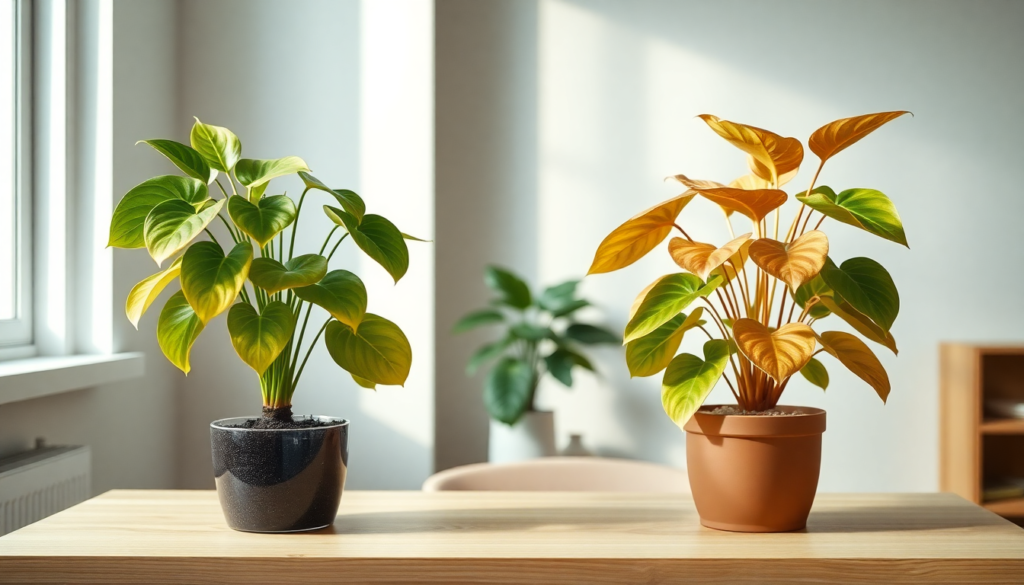
If your indoor plant looks unhealthy, with yellowing or drooping leaves, the problem may be overwatering vs underwatering. These two issues are among the most common reasons houseplants struggle indoors, and they often look almost the same at first.
A yellow leaf does not always mean overwatering, and a drooping plant is not always thirsty. Using the wrong fix can make the problem worse. This houseplant watering guide helps you understand the difference with 9 clear signs so you can diagnose the issue correctly.
You’ll learn how to spot overwatering and underwatering, avoid common plant watering mistakes, and choose the right recovery steps for your plant. Whether you are a beginner or an experienced plant owner, knowing how to read these signs can save your houseplant and keep it healthier for longer. Check the soil, observe the leaves, and act early for the best results.
Why Getting Watering Right Is So Hard
Most people assume watering is the easy part of plant care. Pour some water in, done. But indoor plant watering is genuinely more complicated than it looks.
Every factor in your home affects how fast soil dries out.
The pot size, soil type, light level, room humidity, season, and whether your heating or AC is running, all of these quietly change how often your plant actually needs water.
A schedule that worked perfectly in summer can easily overwater the same plant in winter when growth slows and soil stays wet far longer.
On top of that, most popular houseplants, pothos, monsteras, peace lilies, snake plants, come from tropical or semi-arid environments where rainfall is inconsistent.
Their roots are built to handle dry periods followed by deep watering. Not constant moisture.
When we water on a fixed human schedule rather than responding to what the plant actually needs, problems start almost immediately.
The good news? Once you know what to look for, spotting the difference becomes second nature pretty fast.
Overwatering vs Underwatering — Quick Comparison
| Factor | Overwatering | Underwatering |
| Soil feel | Wet, soggy, heavy | Dry, dusty, pulling from edges |
| Leaf color | Yellow, pale, translucent | Brown, dull, faded |
| Leaf texture | Soft, mushy, limp | Crispy, dry, brittle |
| Leaf drop | Falls while yellow or green | Falls after turning crispy brown |
| Roots | Brown, black, mushy, smelly | Dry, white, shriveled |
| Soil smell | Musty, sour, rotting | Dry, dusty, neutral |
| Recovery speed | Slow — weeks | Fast — hours to days |
| Most common in | Winter, low-light rooms | Summer, high heat, small pots |
9 Clear Signs to Tell the Difference Between Overwatering and Underwatering
Sign 1, Check the Soil First, Always
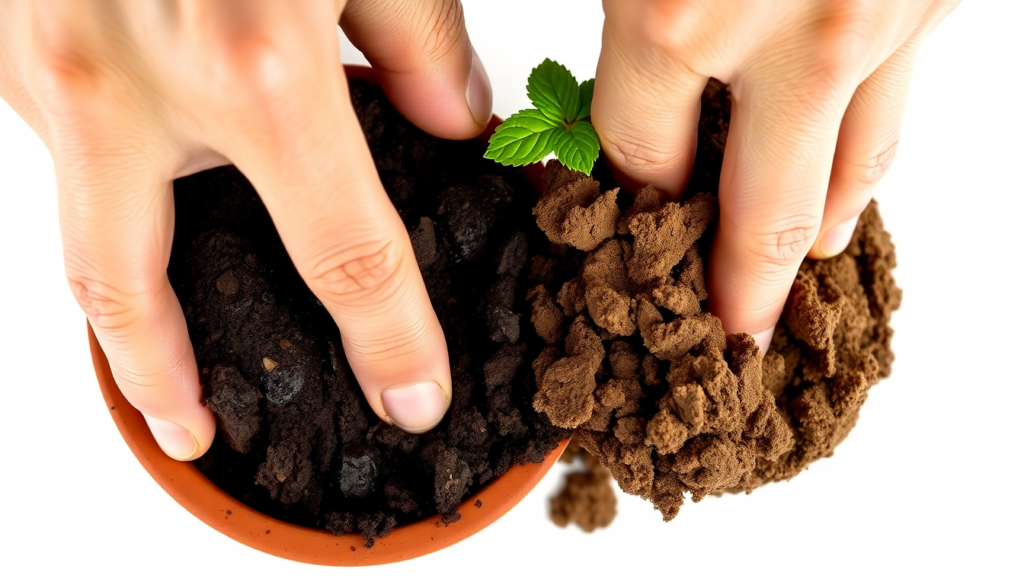
This is the fastest and most reliable starting point, and it takes about five seconds.
Push your finger about two inches into the soil and hold it there for a moment.
If the soil feels wet, cold, and compacted even though you haven’t watered recently, overwatering is almost certainly the problem.
If the soil feels completely dry, pulls away from the pot edges, and feels almost dusty, underwatering is the likely cause.
Most people skip this step and jump straight to looking at the leaves. That’s where the confusion starts, because leaves from both conditions can look surprisingly similar.
Always start with the soil. It gives you the clearest answer the fastest.
Sign 2: The Type of Yellowing Tells a Different Story
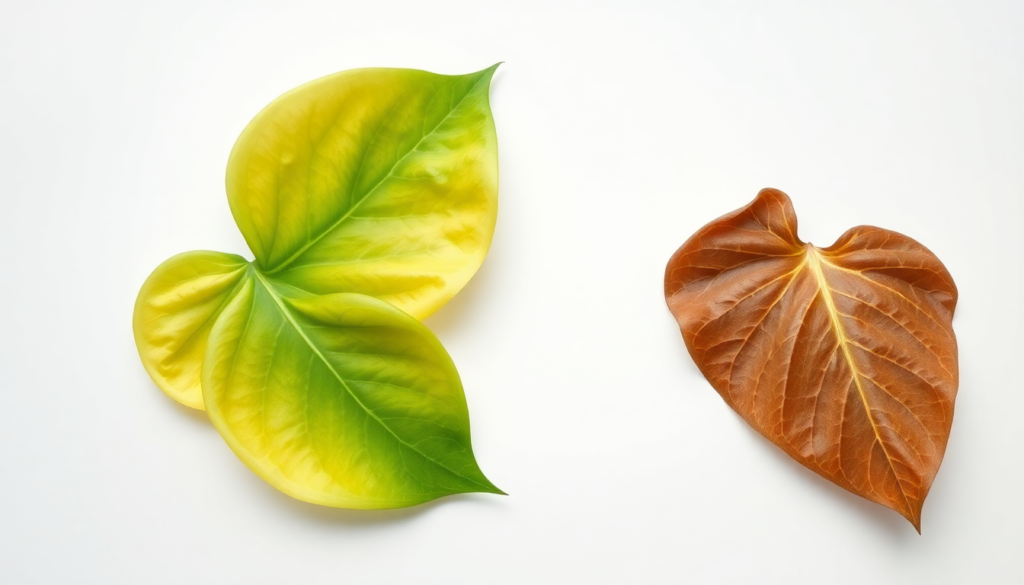
Yes, both overwatering and underwatering cause yellow leaves. But the type of yellowing is different once you know what to look for.
Overwatered yellow leaves look pale, soft, and almost translucent.
They feel limp when touched and usually affect leaves throughout the entire plant, not just the old ones at the bottom.
Underwatered yellow leaves look more dull and faded rather than bright yellow.
They feel dry and slightly papery, and they typically start from the lower older leaves working upward as the plant conserves its remaining moisture.
Vivid yellow + soft texture = overwatering. Dull yellowish-brown + dry texture = underwatering.
These are classic overwatered plant symptoms and underwatered plant signs that most people overlook.
Sign 3: Drooping Leaves Mean Different Things
A drooping, wilting plant sends most people immediately reaching for the watering can.
But drooping is a symptom of both overwatering AND underwatering, which makes it one of the trickiest signs to read on its own.
Here’s how to separate them.
Pick up the pot first. Check the weight.
Overwatered droop: The pot feels heavy. Soil is wet. Leaves look soft and swollen.
The plant is drooping not because it lacks water but because the roots are rotting and can no longer transport water, even though there’s plenty in the soil.
Underwatered droop: The pot feels light, almost hollow. Soil is bone dry. Leaves feel thin and papery rather than plump.
The plant is drooping simply because its cells have lost moisture pressure.
Same symptom. Completely opposite causes.
This is exactly why so many people accidentally water an already overwatered plant and make things significantly worse.
Sign 4: Leaf Texture Gives You a Clear Answer
Run your fingers along a few affected leaves and pay close attention to how they actually feel.
Overwatered leaves feel soft, mushy, and almost bloated like they’re holding too much water.
In more advanced cases they can feel almost gel-like or translucent, which means cells are breaking down from excess moisture.
Underwatered leaves feel the complete opposite.
Dry, thin, brittle. Sometimes curled or rolled inward along the edges as the plant tries to reduce the surface area losing moisture to the air.
Crispy brown edges that crumble when touched? Classic underwatering texture one of the clearest underwatered plant signs there is.
Sign 5: Where the Brown Spots Appear Matters
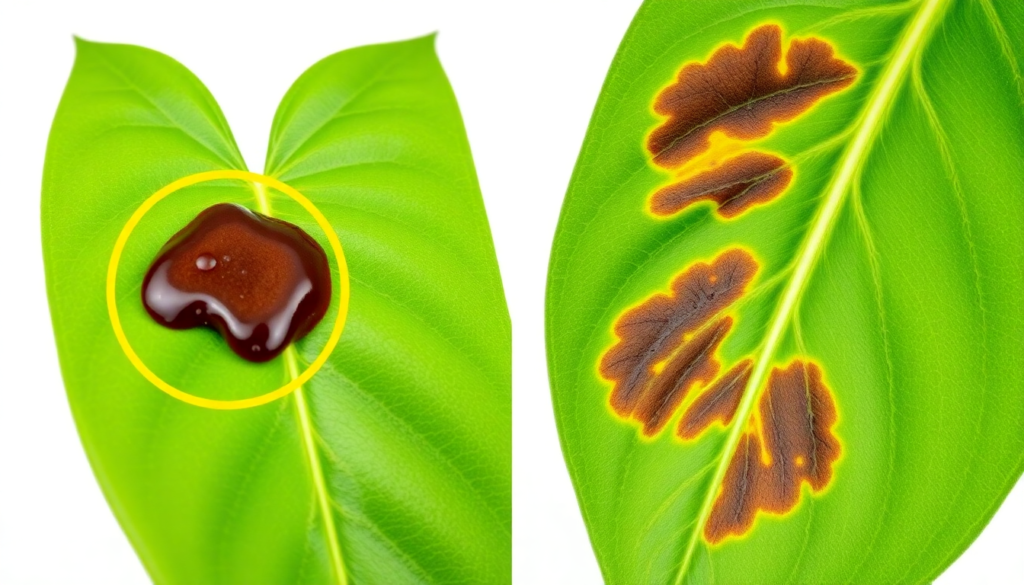
Brown spots are another symptom both conditions share, but the location and appearance is quite different.
Overwatering brown spots:
- Appear in the middle of the leaf
- Look soft, dark, water-soaked
- Often have a yellow halo around the outer edge
- Feel slightly wet or soft when touched
Underwatering brown spots:
- Appear at the leaf tips and outer edges
- Are dry, crispy, and clearly defined
- Have no yellow halo
- Flake away when touched
Mid-leaf soft brown patches with yellow borders = overwatering.
Crispy brown tips and edges = underwatering.
This one sign alone solves the mystery for a huge number of plant owners.
Sign 6: Root Condition Is the Most Definitive Sign
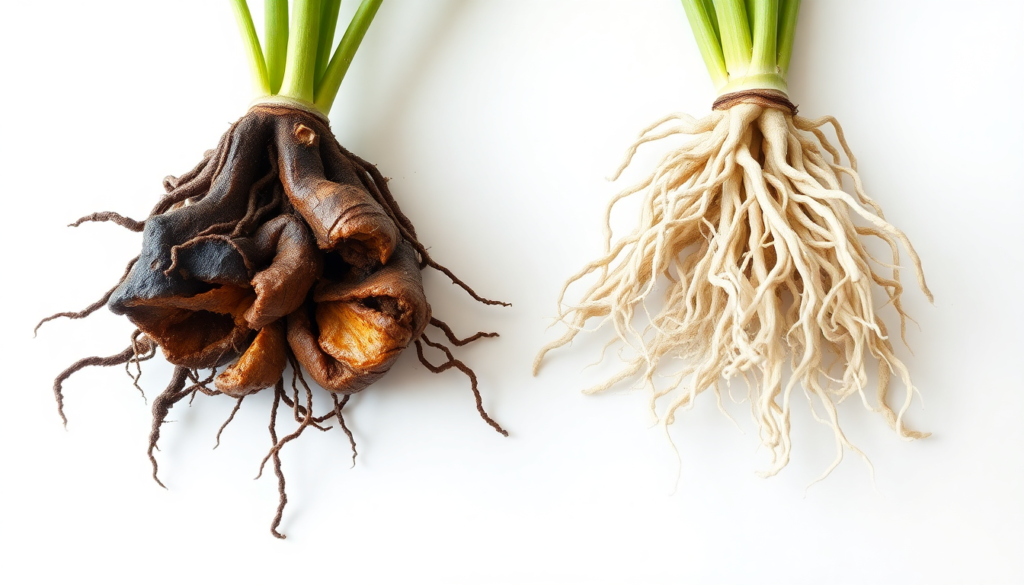
If the above signs still aren’t clear enough, gently remove your plant from its pot and look at the roots directly.
This gives you an immediate, unmistakable answer.
Overwatered roots:
- Brown, black, or gray in color
- Feel soft and mushy when touched
- Have a distinctly sour or rotting smell
- In severe cases the outer coating slides off leaving a stringy core — this is advanced root rot
Underwatered roots:
- Dry, white or tan in color
- Feel slightly shriveled or brittle
- No bad smell, just dry and earthy
Healthy roots for comparison are firm, white or light tan, and slightly moist, not wet, not dry.
If your roots look and smell healthy but the plant is still struggling, look for another cause like pests or disease.
Sign 7:The Smell of Your Soil Is a Hidden Clue
This is a sign most houseplant watering guides skip completely but it’s surprisingly useful when visual signs are unclear.
Lean close to your pot and take a quick sniff of the soil.
Overwatered soil smells musty, sour, or slightly rotten.
Similar to a wet towel left too long or a damp basement. That smell comes from anaerobic bacteria thriving in waterlogged soil where oxygen can’t reach the roots.
Underwatered soil smells dry, dusty, and completely neutral.
Basically clean dirt with no real odor at all.
If your soil smells off in any way, treat it as a serious warning sign and check the roots immediately rather than waiting for more obvious symptoms.
Sign 8: How Fast Soil Dries Out Between Waterings
Pay close attention to how quickly your soil goes from moist to dry after watering because the drying rate tells you a lot about what’s happening below the surface.
Stays wet more than 7–10 days after watering?
This usually means the pot is too large, the soil has poor drainage, the roots are damaged, or the plant is in too little light.
All of these create chronic overwatering conditions even when you’re being careful.
Dries out completely within 2–3 days?
Your plant may be consistently underwatered even if you think you’re watering regularly.
Small pots, terracotta containers, sandy soil, and high summer heat all speed up drying dramatically.
Understanding this drying rate is one of the most important parts of figuring out how often to water indoor plants correctly.
Sign 9: New Growth Tells You What’s Happening Right Now
Look at your plant’s newest, youngest leaves. they give you real-time information about current conditions rather than problems from weeks ago.
Overwatered new growth:
- Looks pale, small, and weak
- May emerge already yellowing or with soft spots
- In advanced cases the growing tip turns black or brown
Underwatered new growth:
- Smaller than normal
- May emerge slightly curled or crispy at the edges
- Plant is still trying to grow but can’t produce full-sized healthy leaves
If your newest leaves look healthy while only older leaves are struggling the problem may already be resolving.
If new growth is already affected, act quickly.
What Overwatered Plants Look Like
Putting all the overwatered plant symptoms together, here’s what a classic overwatered houseplant looks and feels like.
The soil stays wet for a long time, feels cold and compacted, and may smell sour or musty.
Leaves throughout the plant, not just old ones, turn pale yellow and feel soft and limp.
Brown spots appear in the middle of leaves surrounded by yellow halos.
The plant droops despite the soil being wet.
Roots are brown, mushy, and may smell unpleasant.
In advanced cases you might see mold growing on the soil surface or fungus gnats hovering near the base both are classic signs of consistently wet soil.
What Underwatered Plants Look Like
An underwatered plant has a very different appearance and feel.
The soil is completely dry, often pulling away from pot edges and feeling dusty or powdery.
Leaves feel dry, thin, and papery, sometimes curling inward.
Brown appears at leaf tips and edges rather than the center.
The pot feels noticeably lightweight when lifted.
The plant droops and looks deflated rather than plump.
Older lower leaves drop first as the plant sacrifices them to conserve moisture for newer growth.
How to Check Your Plant’s Water Needs Without Guessing
Method 1: The Finger Test
Push your finger two inches into the soil.
Dry at that depth = time to water most tropical plants.
Still moist = wait another day or two and check again.
Method 2: The Pot Weight Method
Lift the pot immediately after watering. Notice how heavy it feels.
Check it again a few days later. when it feels noticeably lighter, it’s usually time to water.
Works especially well with terracotta or plastic pots.
Method 3: The Wooden Chopstick Test
Push a wooden chopstick or skewer a few inches into the soil for thirty seconds.
If it comes out with dark moist soil clinging to it, still wet enough.
If it comes out clean and dry time to water.
Method 4: A Moisture Meter
An inexpensive soil moisture meter, available for under $15 on Amazon, gives you an accurate reading at root level instantly.
Especially helpful for sensitive plants like fiddle leaf figs and calatheas.
This is honestly one of the best tools for anyone serious about avoiding common plant watering mistakes.
How to Fix an Overwatered Plant
Step 1: Stop Watering Immediately
The instinct to keep watering a struggling plant is surprisingly strong. Stop completely and let the soil begin drying out before doing anything else.
Step 2: Improve Drainage Right Away
No drainage holes in your pot? That’s problem number one.
Move the plant to a pot with drainage or add coarse gravel at the bottom.
Remove any saucer collecting standing water beneath the pot.
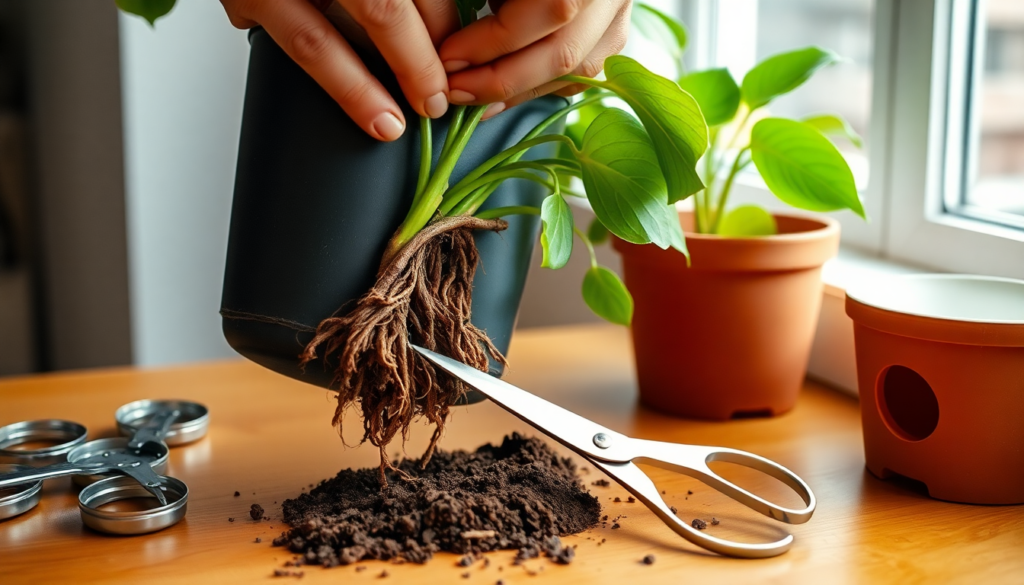
Step 3: Inspect the Roots
Gently remove the plant from its pot.
Trim away all black, brown, or mushy roots using clean scissors.
Healthy white roots stay. If more than half the root system is affected, recovery is harder: but still often possible.
Step 4: Repot into Fresh Dry Soil
After trimming damaged roots, repot into fresh well-draining potting mix.
Don’t water immediately after repotting, give roots a day or two to settle first.
Step 5: Move to Brighter Indirect Light
More light helps soil dry out faster and supports recovery.
Avoid harsh direct sun while the plant is stressed.
Step 6: Be Patient
Overwatering recovery takes time, sometimes three to six weeks before meaningful improvement appears.
Do not fertilize during this period. Fertilizer adds stress to already damaged roots.
How to Fix an Underwatered Plant
Step 1: Water Deeply and Slowly
Don’t just splash water on top.
Water slowly and thoroughly until it flows freely from the drainage holes at the bottom.
This ensures the entire root zone gets moistened not just the top layer.
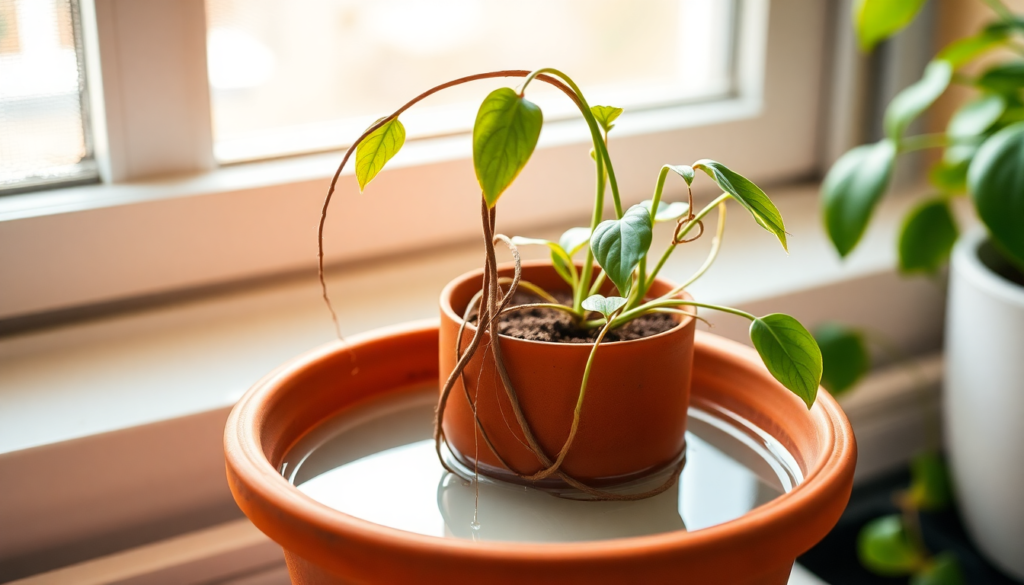
Step 2: Try Bottom Watering for Severely Dry Soil
If the soil has become so dry that water runs straight through without being absorbed, try bottom watering.
Place the pot in a tray or basin of water for 30–45 minutes.
The soil slowly absorbs moisture upward from the bottom, far more effective for severely dehydrated soil.
Step 3: Mist the Leaves Gently
While roots rehydrate, a gentle leaf misting reduces moisture loss through transpiration.
It gives the plant a little immediate relief while it recovers.
Step 4: Set a Consistent Watering Reminder
After recovery, consistency is everything.
Use a plant app, a phone reminder, or a weekly calendar note to check soil moisture on the same days each week.
This single habit eliminates most plant watering mistakes permanently.
Step 5: Watch for Rapid Recovery
Most underwatered plants respond within 24–48 hours of proper watering.
If your plant perks up quickly after a thorough drink, underwatering was the cause.
If it doesn’t improve within a couple of days, look for another contributing issue like root damage or pests.
Plants That Are Easily Overwatered Indoors
These plants are most commonly killed by too much water.
If you own any of these, always err on the side of less water rather than more.
Succulents and Cacti: Store water in leaves and stems. Need soil to dry completely between waterings. Overwatering is the number one way people kill these.
Snake Plant: Extremely drought tolerant. Water every 2–6 weeks depending on season and light. Wet soil even briefly can cause rapid root rot.
ZZ Plant: Has thick rhizomes that store water underground. Can go 3–4 weeks without water easily. One of the most forgiving plants for underwatering, one of the least forgiving for overwatering.
Jade Plant: A succulent that stores water in its plump leaves. Needs thorough drying between waterings. One of the most commonly overwatered plants in US households.
Pothos: More tolerant than most but still commonly overwatered. Prefers drying out between waterings rather than sitting in consistent moisture.
Plants That Handle Drought Better
Fiddle Leaf Fig Needs the top inch to dry before watering but hates both extremes equally. Drops leaves fast from both overwatering and underwatering.
Peace Lily Shows you clearly when it’s thirsty by dramatically drooping. Water when it droops slightly; not before.
Calathea: Prefers consistently moist but never waterlogged soil. More sensitive to both extremes than most plants.
Spider Plant: Quite forgiving overall. Tolerates underwatering far better than overwatering.
Houseplant Watering Guide by Plant Type
One of the most searched questions in plant care is how often to water indoor plants, and the honest answer is that it depends entirely on the plant type, pot material, and your home environment.
Use this as a general starting point, always let soil condition guide you over any fixed schedule.
| Plant | Water When | Approx Frequency | Key Notes |
| Pothos | Top 2 inches dry | Every 7–10 days | More in summer, less in winter |
| Snake Plant | Soil completely dry | Every 2–6 weeks | Less is always more |
| Monstera | Top 2 inches dry | Every 7–10 days | Increase humidity around it |
| Fiddle Leaf Fig | Top inch dry | Every 7–10 days | Hates inconsistency |
| Peace Lily | When it slightly droops | Every 7–10 days | Very clear communicator |
| Succulents | Completely dry | Every 2–4 weeks | Drainage is critical |
| ZZ Plant | Completely dry | Every 3–4 weeks | Nearly impossible to underwater |
| Calathea | Top inch dry | Every 5–7 days | Never let it dry completely |
| Spider Plant | Top inch dry | Every 7 days | Very forgiving overall |
| Jade Plant | Completely dry | Every 2–3 weeks | Classic overwatering victim |
Buying Guide — Pots and Tools That Make Watering Easier
Getting the right equipment makes a genuine difference in preventing both overwatering and underwatering before problems even start.
Best Pot Types
Terracotta Pots: The single best choice for overwatering-prone plants.
Porous clay walls allow air and moisture to pass through, helping soil dry much faster than plastic or glazed ceramic.
Perfect for succulents, snake plants, jade plants, and pothos.
Pots with Drainage Holes: Non-negotiable for almost every houseplant.
If a pot doesn’t have drainage holes, either drill some or use it as a decorative outer cover with a nursery pot inside.
Self-Watering Pots: A great option for people who consistently forget to water.
Built-in reservoirs deliver water to roots as needed, works well for moisture-loving plants like peace lilies and calatheas.
Tools Worth Having
Soil Moisture Meter: Under $15, eliminates all guesswork instantly. Worth every penny for beginners and experienced owners alike.
Watering Can with Long Narrow Spout: Waters directly at soil level without wetting leaves, which reduces fungal disease risk significantly.
Plant Care App (Greg or Planta): Sends personalized watering reminders based on your specific plant, pot size, and local environment.
Who Should Buy What
| Situation | Best Solution |
| Forgetful waterer | Self-watering pot + plant app |
| Overwatering tendency | Terracotta pot + moisture meter |
| Complete beginner | Moisture meter + drainage pots |
| Managing many plants | Plant care app subscription |
FAQs
Q1: How do I know if my plant is overwatered or underwatered?
Check two things at the same time, soil moisture and leaf texture.
Wet soil plus soft yellow leaves plus a musty smell = overwatering.
Completely dry soil plus crispy brown leaf tips plus a lightweight pot = underwatering.
Checking both together gives you a reliable answer in under two minutes.
Q2: Can a plant show signs of both overwatering and underwatering at the same time?
Yes, And this confuses a lot of plant owners.
When root rot from overwatering is severe, damaged roots can no longer deliver water to leaves even though the soil is wet.
The plant essentially experiences drought symptoms while sitting in soggy soil.
Drooping and crispy tips combined with wet soil = root rot. Needs immediate attention.
Q3: How long does it take an overwatered plant to recover?
Mild overwatering with no root rot can resolve in one to two weeks with corrected care.
Significant root rot requires repotting and root trimming, full recovery can take four to eight weeks.
The earlier you catch it, the faster and easier the recovery.
Q4: My plant droops right after watering but then perks up briefly,what’s happening?
This pattern almost always means roots are damaged and unable to retain moisture properly, usually from root rot caused by previous overwatering.
The plant gets a temporary boost from fresh water but can’t hold onto it.
Inspect the roots and repot if rot is present.
Q5: Should I mist my plants to prevent underwatering?
Misting alone is not an effective substitute for proper watering.
It adds surface moisture to leaves but does very little for the root zone where water is actually needed.
Misting helps increase humidity around tropical plant, but it should always be done in addition to regular watering, never instead of it.
Conclusion
Figuring out the difference between overwatering vs underwatering plants feels confusing at first, but once you’ve worked through it once or twice, it becomes completely natural.
The 9 signs in this guide, soil moisture, leaf color, leaf texture, drooping behavior, root condition, soil smell, brown spot location, drying rate, and new growth appearance, give you everything you need to diagnose your plant accurately without any guessing.
The biggest takeaway is simple.
Always check the soil properly before you water. Not give water on a fixed schedule. Respond to what your plant is actually telling you rather than what the calendar says.
When you start treating watering as a response to your plant’s real condition, you’ll lose far fewer plants and genuinely enjoy the ones you have so much more.
Avoiding common plant watering mistakes starts with observation, and this guide gives you exactly what to observe.
Found this helpful? Check out our related guides on why your plant is dropping leaves, best low light indoor plants for apartments, and how to repot a houseplant correctly for more practical indoor plant care tips.