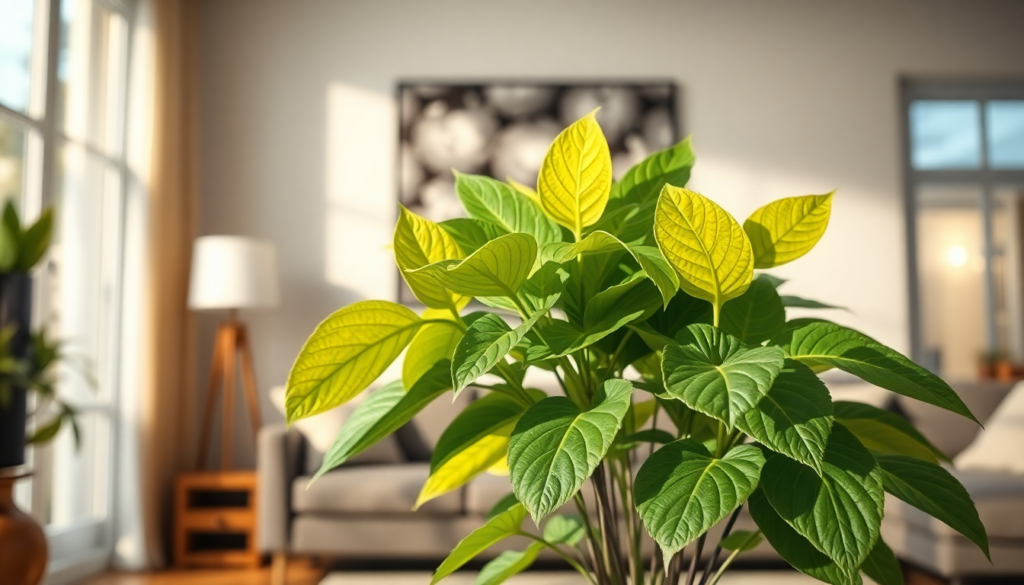
The first time I saw yellow leaves on one of my plants, I thought it was over. I genuinely believed the plant was dying.
It was my first money plant. I gave it so much attention, checking it daily, rotating it toward the light, watering it carefully. Then one day, I noticed a yellow leaf at the bottom.
I panicked.
My immediate reaction?
“It must need more water.”
So I watered it again.
Two days later, more leaves turned yellow.
That’s when I learned something important: yellow leaves don’t mean “give more water.” They mean your plant is stressed.
If you’re searching for how to fix yellow leaves on indoor plants, I won’t give you textbook theory. I’ll share what I’ve personally experienced, overwatering, underwatering, wrong lighting, fertilizer mistakes. I’ve made them all. And I’ve learned from them.
This is real-life, practical advice. Simple. Beginner-friendly. And effective.
First, Understand This: Why Do Leaves Turn Yellow?
Every leaf is like a small energy factory. It produces food through photosynthesis. But when something interferes, roots can’t absorb water properly, nutrients run low, or light is unbalanced, chlorophyll starts breaking down.
When chlorophyll fades, green fades. Yellow appears.
Important:
Not every yellow leaf is a crisis.
Sometimes the oldest, lowest leaf naturally turns yellow and falls off. That’s normal aging. But if multiple leaves are turning yellow, that’s your sign to investigate.
1. Overwatering – The Biggest Mistake I Made
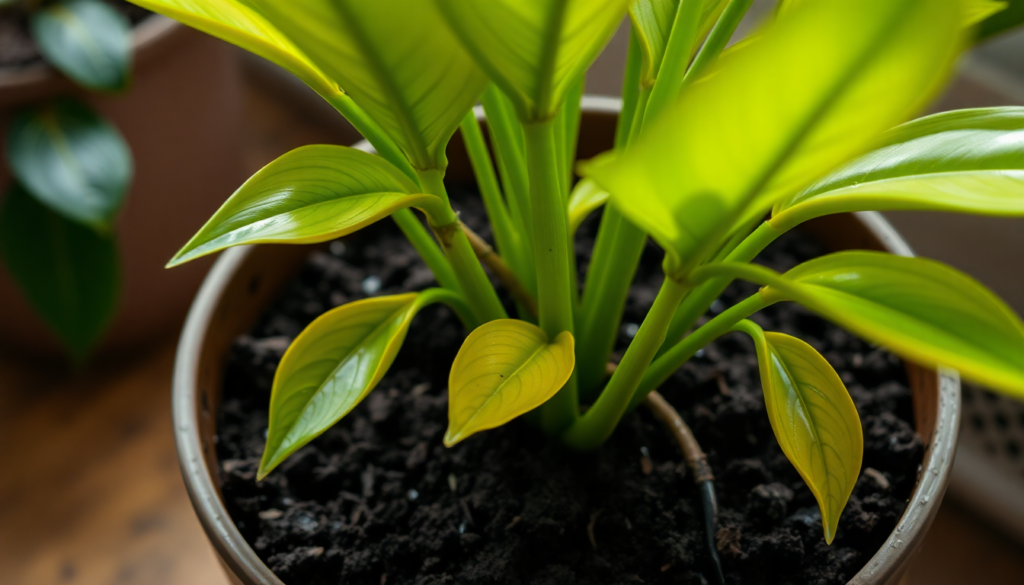
I’ll admit it openly, I ruined my first 10 plants because of overwatering.
I used to think “good care” meant frequent watering. Every other day, I’d water them. The topsoil looked dry, so I assumed the entire pot was dry.
That assumption cost me plants.
What Happened?
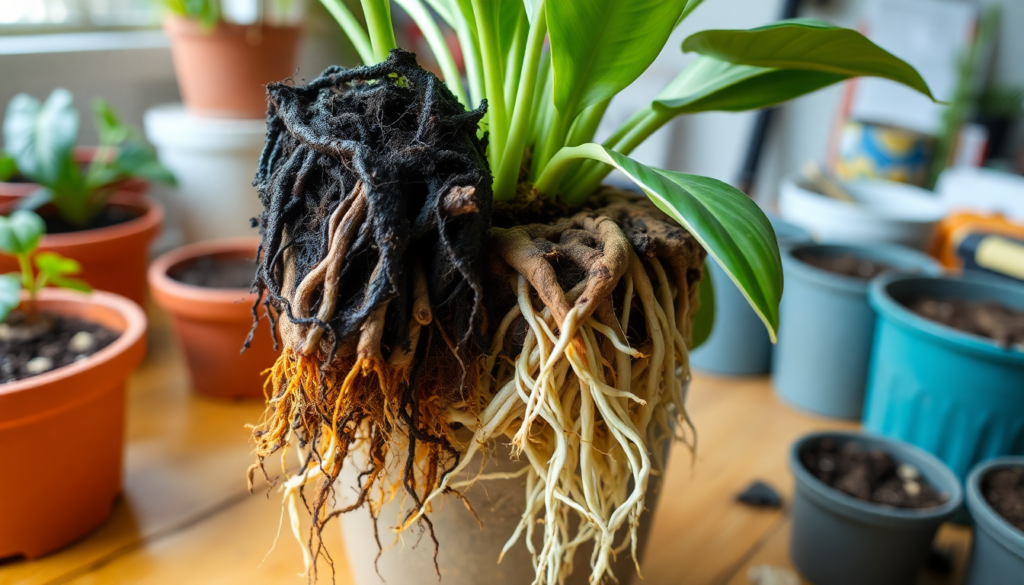
My snake plant started turning yellow from the bottom. The leaves felt soft. I thought it needed more water, so I watered again.
Big mistake.
When I finally removed it from the pot, the roots were black and slimy. Classic root rot.
How to Check
- Is the soil still wet after 3–4 days?
- Do the leaves feel soft or slightly translucent?
- Does the pot feel heavy?
How I Fixed It
- Removed the plant from the pot
- Cut off rotten roots
- Repotted in fresh, airy soil with perlite
- Increased the gap between watering
Micro tip: Don’t judge moisture by looking at the surface. Stick your finger 2 inches deep into the soil.
That habit changed everything for me.
2. Underwatering – When Life Gets Busy
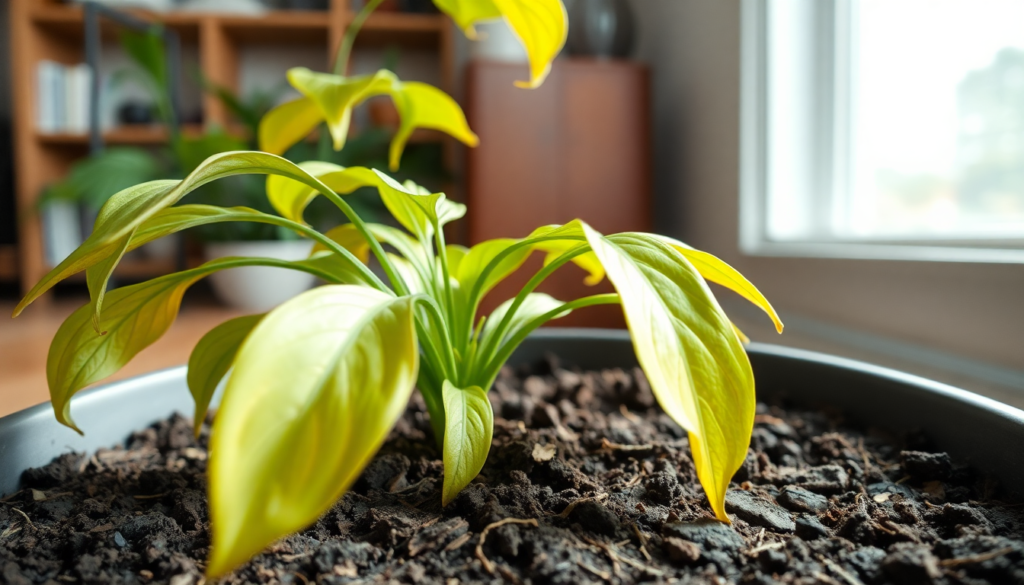
Once I traveled for 8 days. When I came back, my peace lily looked dramatic, drooping leaves, yellow edges.
The soil was completely dry.
Underwatering can also cause yellow leaves.
Signs I Noticed
- Dry, crispy leaf edges
- Soil pulling away from the pot
- Plant feeling unusually light
What I Do Now
I deep water.
Not a quick splash. I place the plant in the sink and water thoroughly until it drains from the bottom. Then I let all excess water drain before putting it back.
Micro tip: Don’t follow a calendar schedule. Follow soil dryness.
3. Drainage Problems – It’s Not Always About Water Amount
I once bought a beautiful ceramic pot for my living room.
No drainage hole.
At first, everything looked fine. Then slowly, the leaves started turning yellow.
I wasn’t overwatering, but water was collecting at the bottom with nowhere to go.
Lesson learned:
Always use pots with drainage holes.
If you love decorative pots, keep the plant in a nursery pot and place that inside the decorative one.
That small adjustment can save your plant.
4. Nutrient Deficiency – When Soil Gets Tired
I kept a pothos in the same soil for almost two years. Growth slowed. Older leaves started turning yellow.
I adjusted watering. Changed light. Nothing worked.
Finally, I repotted it into fresh soil.
Within three weeks, new leaves were darker and healthier.
Soil gets depleted over time.
Indicators
- Older leaves turning yellow first
- Weak or slow new growth
What Works
Use a light, balanced fertilizer during the growing season — but don’t overdo it.
Micro tip: Start with half-strength fertilizer. You can increase gradually if needed.
5. Light Imbalance – Too Much or Too Little
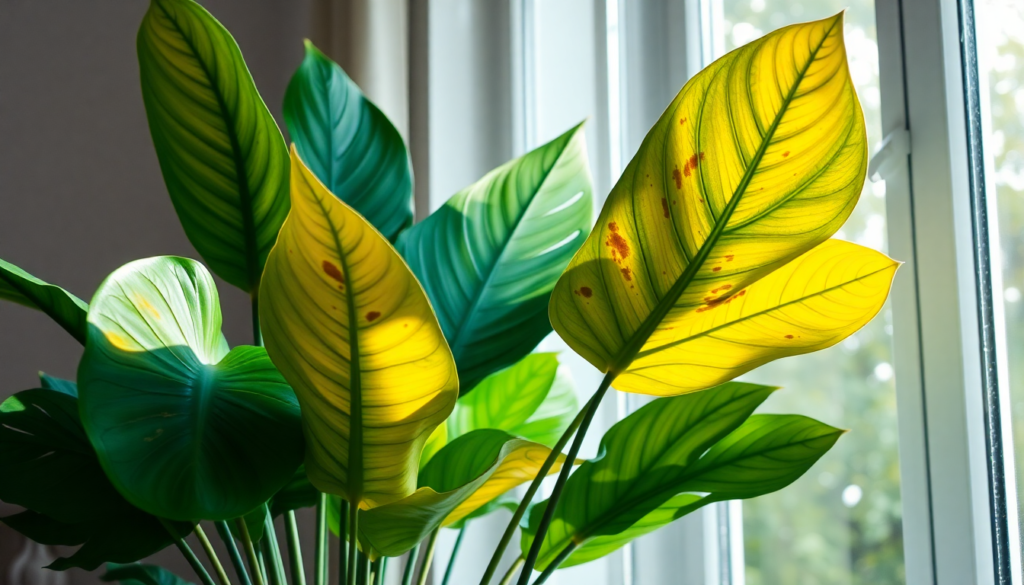
I once placed my monstera directly in front of a bright window. I thought more light meant faster growth.
Instead, I got yellow patches with brown burn spots.
Another time, I kept a ZZ plant in a dark corner. Weeks later, the leaves turned pale yellow.
Light is about balance.
Simple rule: Bright, indirect light works best for most indoor plants.
Micro tip: Use sheer curtains to filter harsh sunlight.
6. Temperature Shock – Heater and AC Issues
During winter, I moved a plant closer to a heater to “keep it warm.”
Two weeks later, yellow leaves.
Plants prefer stable conditions. Sudden temperature changes cause stress.
The ideal range is around 18–26°C (65–78°F).
Keep plants away from heaters, AC vents, and drafty windows.
7. Pests – The Hidden Problem
Sometimes you’re doing everything right, but yellow spots still appear.
That happened with my calathea. I noticed tiny speckles, then fine webbing underneath.
Spider mites.
They slowly drain the plant’s energy.
What Helped
- Weekly neem oil treatment
- Gently wiping leaves with a damp cloth
Micro habit: Check the underside of leaves every week. Early detection saves stress.
The Routine I Follow Now
Whenever I see a yellow leaf:
- I check soil moisture
- I lift the pot to feel its weight
- I observe light exposure
- I think about recent changes
- I inspect under the leaves for pests
Then I act calmly.
No panic watering.
Small Habits That Improved My Plant Health
- Grouping plants together increases humidity
- Using a pebble tray helps in dry climates
- Rotating plants weekly ensures even growth
- Wiping dust off leaves improves photosynthesis
Healthy environment = fewer yellow leaves.
Mistakes I Made (So You Don’t Have To)
- Watering emotionally
- Watering all plants on the same day
- Adding fertilizer immediately after seeing yellow leaves
- Overreacting
The most important rule: understand the cause first.
FAQs
How to fix yellow leaves on plants?
Check watering first (overwatering is common), improve drainage, adjust light, and ensure proper nutrients.
Can yellow leaves turn back to green?
Usually no — once fully yellow, they won’t turn green again, but fixing the issue prevents new leaves from yellowing.
How to stop leaves from going yellow?
Water properly, use well-draining soil, provide correct light, and fertilize appropriately.
Should I remove yellow leaves from my plant?
Yes, trim fully yellow leaves to help the plant focus energy on healthy growth. 🌿
Final Thoughts
I’ve lost plants. And I’ve learned from them.
Yellow leaves are not failure.
They’re feedback.
Once you learn to observe carefully, fixing yellow leaves on indoor plants becomes much easier.
Plants don’t need perfect care.
They need consistent, mindful care.
And once you understand their language, yellow leaves become just a temporary chapter — not the end of the story. 🌿
Pingback: Pothos Plant Care Guide: Apartment Beginner Tips (2026)
Pingback: Pothos Leaves Turning Yellow? 9 Causes & How to Fix Them
Pingback: Snake Plant Not Growing Tall? 7 Reasons + Easy Fixes (2026)