
Few things are more frustrating than watching your peonies form healthy buds… only to see them never open.
If you’ve been wondering, why are my peonies not blooming, you’re not alone. It’s one of the most common gardening questions in the U.S., especially among beginner gardeners and small-space homeowners.
The good news? Most peony bloom problems are easy to fix once you know what to look for. Also many are different way for peon planting guide.
This guide will walk you through:
- Why peonies bud but don’t bloom
- Why your peony didn’t bloom this year
- Why your peonies aren’t opening
- How to increase peony blooms
- How to plant peonies correctly for long-term success
Let’s fix the problem step by step.
1. Planted Too Deep (Most Common Reason)
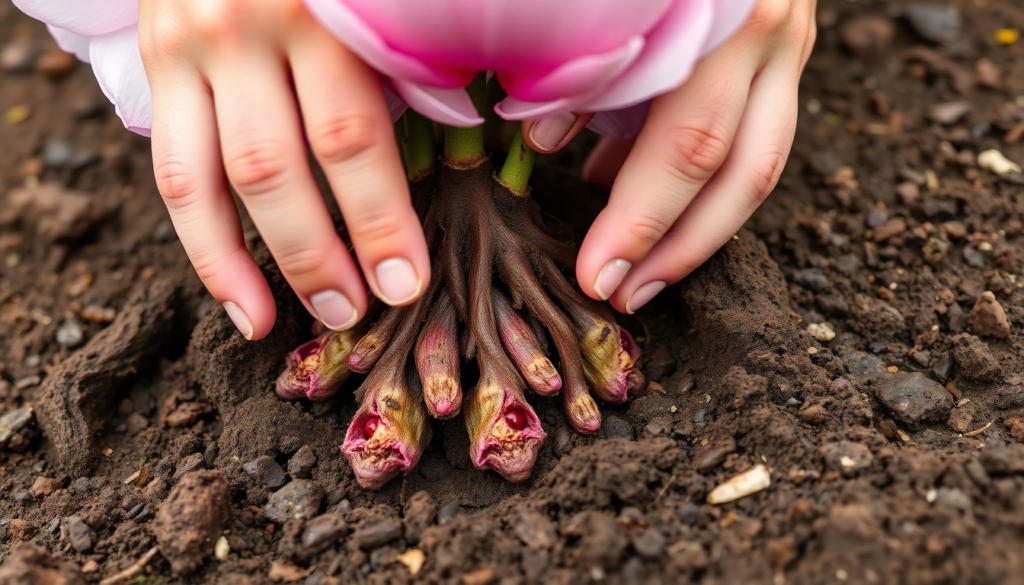
The number one answer to why are my peonies not blooming is improper planting depth.
Peonies grow from a crown that has visible red “eyes.” Those eyes should sit only 1–2 inches below the soil surface in most USDA zones.
If planted too deep:
- You’ll get beautiful foliage
- Buds may appear
- Flowers may never open
This is often why gardeners say, “my peonies bud but don’t bloom.”
Fix:
Lift and reset the plant in fall. Keep the eyes shallow. Avoid piling mulch over the crown.
Not Enough Sunlight
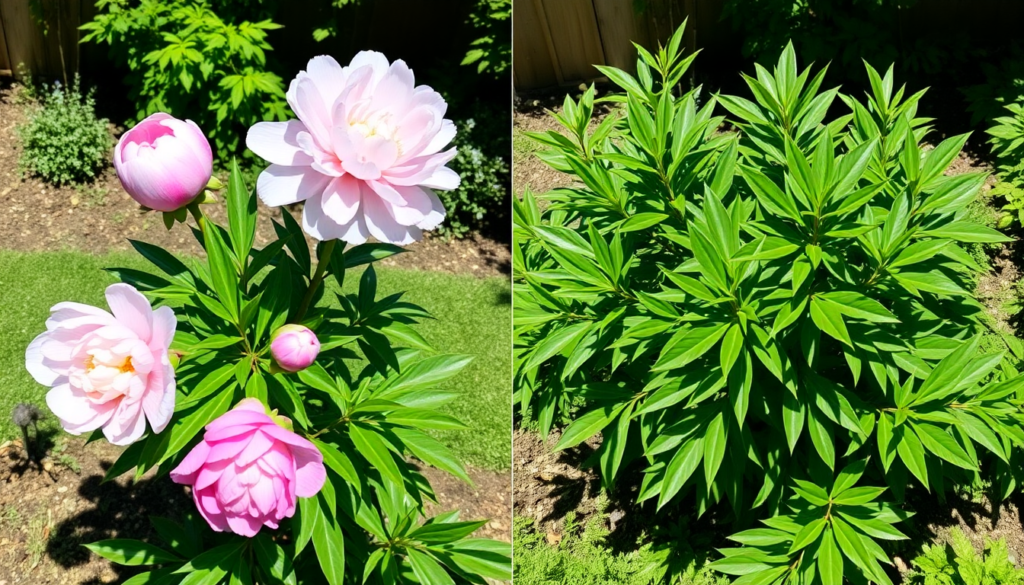
Peonies need 6–8 hours of direct sun every day.
Morning sun is best. Light afternoon shade is fine. But deep shade will prevent blooms.
If your peonies bloomed in the past but stopped, check for:
- Nearby trees that have grown larger
- New structures blocking sunlight
Peonies blooming depend heavily on strong sun exposure.
The Plant Is Too Young
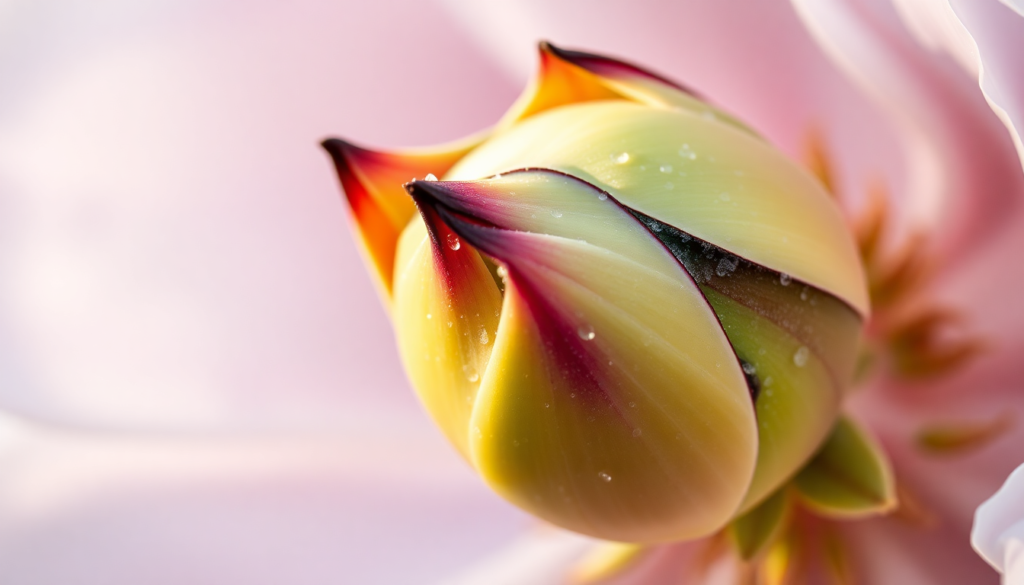
Peonies are slow starters.
There’s an old gardening saying:
First year they sleep
Second year they creep
Third year they leap
If you recently planted or divided your peonies, they may need time to establish roots before flowering heavily.
Patience is often the solution.
Frost Damage
Late spring frost can damage buds overnight.
Signs include:
- Blackened bud tips
- Mushy or shriveled buds
- Buds that never open
This is a common reason people ask, “why aren’t my peonies opening?”
Cover plants with frost cloth if cold weather is predicted.
Too Much Nitrogen
If your peonies look lush and green but don’t bloom, nitrogen overload may be the problem.
High-nitrogen lawn fertilizers drifting into flower beds can cause:
- Excess leaf growth
- Weak or no blooms
Use a balanced fertilizer with higher phosphorus to encourage flowering.
Overwatering or Poor Drainage
Peonies dislike soggy soil.
Too much water can cause:
- Root rot
- Bud rot
- Weak flowering
If your peony didn’t bloom this year after a very wet spring, drainage could be the cause.
The soil should drain well. Roots should feel firm and healthy, not soft or brown.
Fungal Disease
Cool, damp weather can lead to fungal problems like botrytis.
Symptoms include:
- Brown, soft buds
- Collapsing stems
- Buds that never open
Remove infected parts immediately and improve air circulation around the plant.
Crowded Roots
Mature peonies rarely need dividing. But if your plant is over a decade old and bloom production has declined, it may be overcrowded.
Divide in fall and replant shallowly for better results next season.
How to Plant Peonies Correctly

Many bloom problems start at planting time. Here’s how to plant peonies properly:
Choose the Right Spot
- 6–8 hours of direct sunlight
- Well-draining soil
- Away from large tree roots
Prepare the Soil
Mix native soil with compost. Avoid heavy clay unless amended.
Plant at the Correct Depth
Place the eyes 1–2 inches below soil level.
Water Once Deeply
Then allow the soil to settle naturally.
Correct planting prevents most future bloom issues.
Peony Sprout Stages
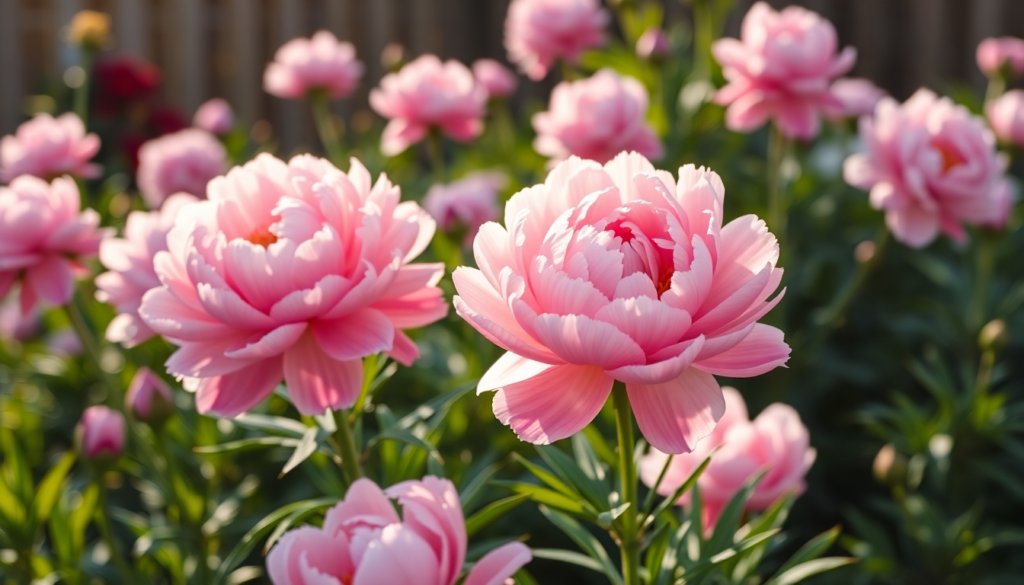
Understanding peony sprout stages helps you identify problems early:
- Red eyes emerge from soil
- Shoots grow upward
- Buds form
- Buds swell
- Flowers open
If buds form but don’t open, investigate frost, depth, or disease.
Seasonal Care Calendar
Spring
- Apply balanced fertilizer
- Install plant supports
- Monitor drainage
Early Summer
- Deadhead spent blooms
- Watch for disease
Fall
- Cut foliage to ground after frost
- Divide peony plants if needed
Winter
- Minimal care required
- Ensure soil drains well
Peony Pruning and Deadheading
Peony pruning and deadheading helps conserve plant energy.
- Remove faded flowers
- Cut back to the first full leaf
- Do not remove healthy foliage too early
Leaves feed next year’s blooms.
Peony Staking and Support
Large blooms can become heavy, especially after rain.
Install support rings early in spring before stems get tall. This prevents flopping and stem damage.
USDA Zones and Bloom Timing
Peonies thrive in USDA Zones 3–8.
Bloom timing:
- Early varieties: Late April
- Mid-season: May
- Late varieties: Early June
In warmer zones, insufficient winter chill can reduce flowering.
Small Space and Container Growing Tips
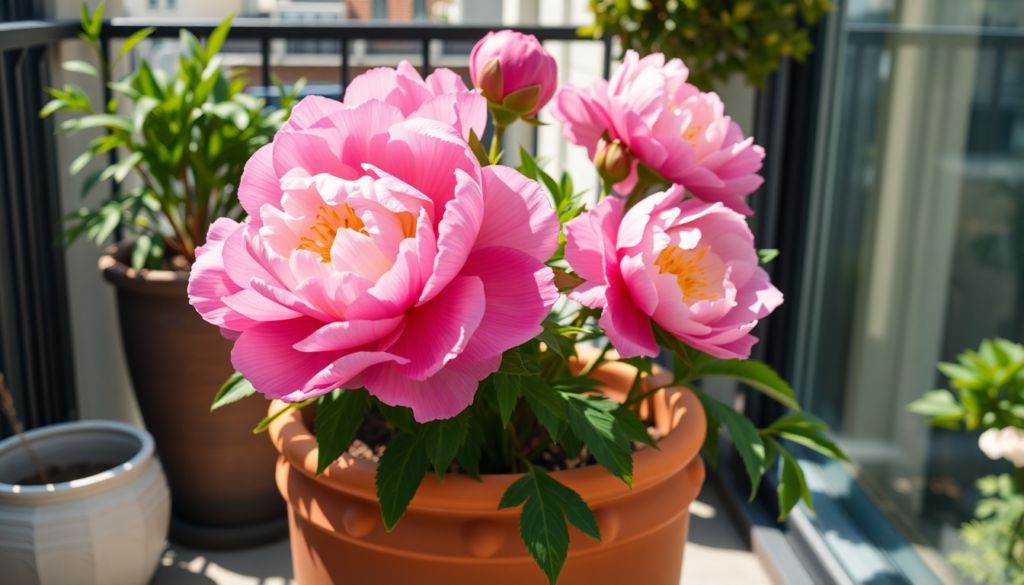
Peonies can grow in large containers if:
- The pot is 18–24 inches deep
- Soil drains well
- The location receives full sun
Container-grown peonies need consistent watering but not soggy soil.
How to Increase Peony Blooms
To increase peony blooms:
- Ensure correct planting depth
- Provide full sun
- Use balanced fertilizer
- Avoid heavy nitrogen
- Maintain good drainage
- Remove diseased stems promptly
Healthy roots equal better blooms.
Beginner Mistakes to Avoid
- Planting too deep
- Over-mulching
- Cutting foliage too early
- Ignoring sunlight needs
- Overfeeding with nitrogen
Expert Insight
After years of growing peonies in both suburban gardens and smaller urban spaces, I’ve found that bloom issues almost always trace back to planting depth or sunlight exposure. Before adjusting fertilizers or moving plants, check those two factors first.
FAQs
Why are my peonies not blooming even though they have buds?
They may be planted too deep, damaged by frost, or affected by disease.
Why didn’t my peony bloom this year?
Check for excessive nitrogen, poor drainage, or lack of sunlight.
Why aren’t my peonies opening?
Bud damage from frost or fungal infection is the most common cause.
How to keep peonies blooming all summer?
You cannot extend a single plant’s bloom for months, but you can plant early, mid, and late varieties to extend the overall season.
How to plant peonies correctly?
Plant them shallowly with eyes 1–2 inches below soil surface in well-draining soil and full sun.
Conclusion
If you’re asking, why are my peonies not blooming, start with the basics: depth, sunlight, drainage, and age.
Most peony bloom issues are temporary and easy to fix. With proper planting and seasonal care, your peonies will reward you with reliable blooms for decades.
A small adjustment this season can mean a garden full of flowers next spring.